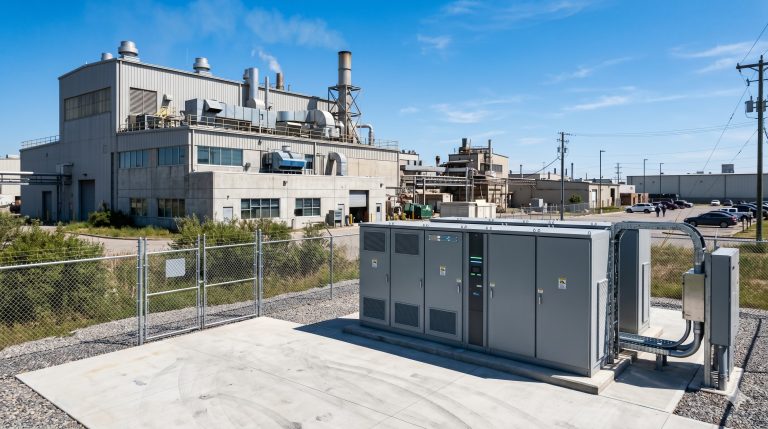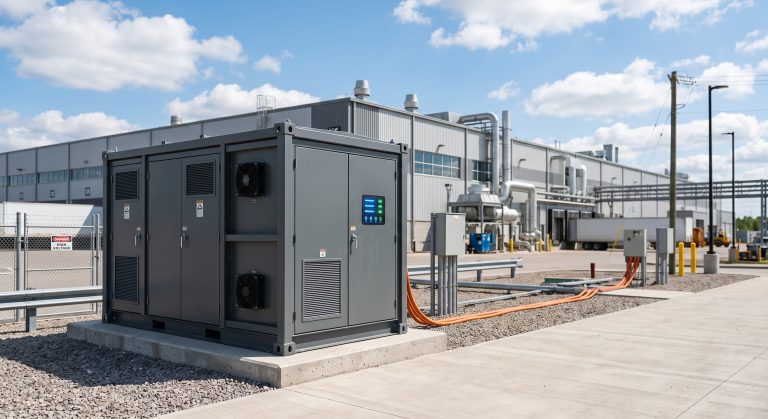
Introduction: The Economic Imperative of Accessible Clean Energy
The global transition toward decarbonized commercial and industrial (C&I) operations is no longer an environmental luxury but a financial necessity. With energy price volatility reaching historic highs and regulatory frameworks tightening emissions standards, the procurement of clean energy accessible solutions has become the primary lever for operational cost control and energy independence. These integrated systems, combining high-density Battery Energy Storage Systems (BESS) with intelligent power conversion, are democratizing energy management for enterprises ranging from industrial parks to hyperscale data centers. This guide provides a deep technical and financial framework for sourcing Tier-1 systems, evaluating architecture, and maximizing return on investment through strategic grid support.
System Architecture: The Anatomy of a Scalable Clean Energy Solution
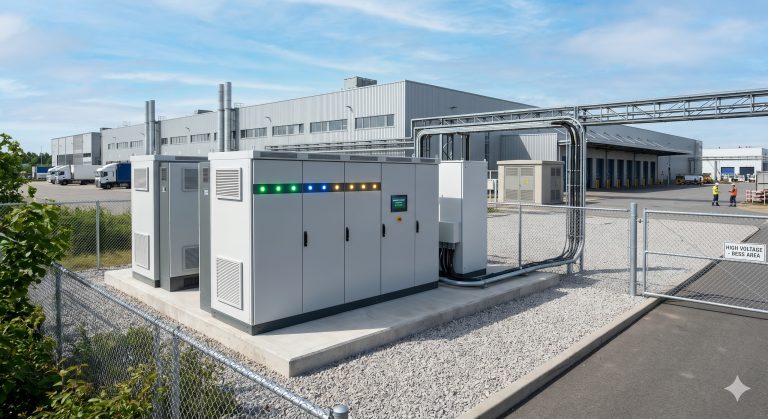
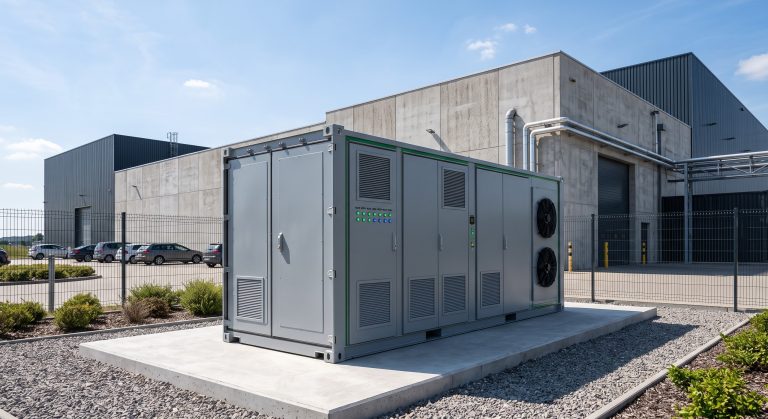
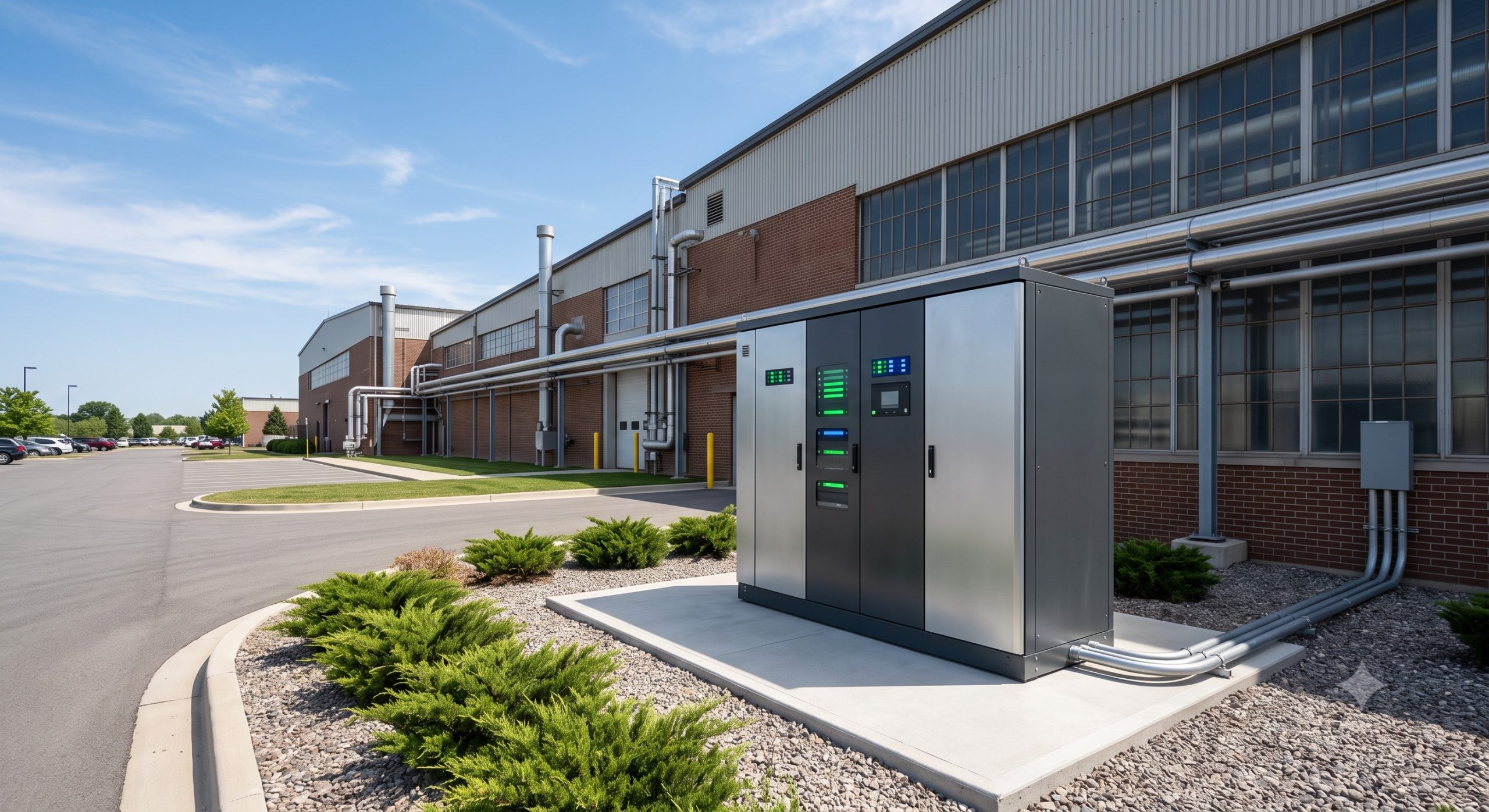
Modern BESS architectures are engineered around modularity and safety. A typical 1MWh containerized solution integrates several critical subsystems that define its performance and lifespan. The core of any clean energy accessible solution lies in its battery management system (BMS) and power conversion system (PCS) integration, which dictates the round-trip efficiency and dynamic response capabilities.
Power Conversion System (PCS) and Bi-directional Inverters
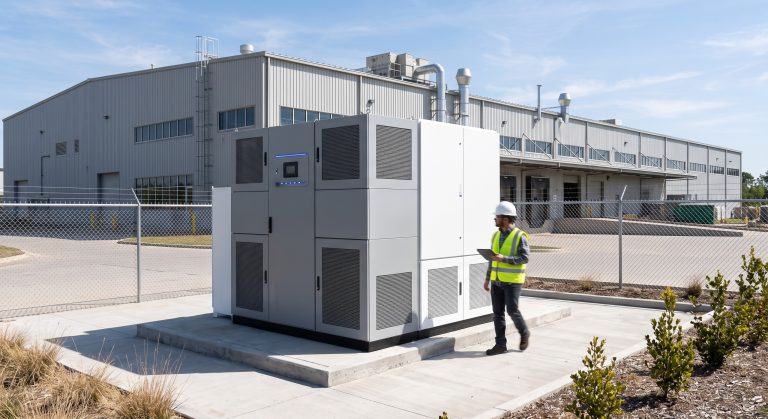
The PCS acts as the interface between the DC battery bank and the AC grid. High-performance PCS units used in commercial deployments feature bi-directional conversion efficiency exceeding 98.5%, equipped with advanced islanding detection for grid-tied and off-grid transitions. The integration of liquid-cooling within the PCS cabinet ensures thermal stability, maintaining junction temperatures below critical thresholds even during high C-rate discharge cycles. This thermal precision directly correlates with the system’s ability to execute frequency regulation and demand response commands without derating.
BMS and Tier-1 LFP Cell Integration
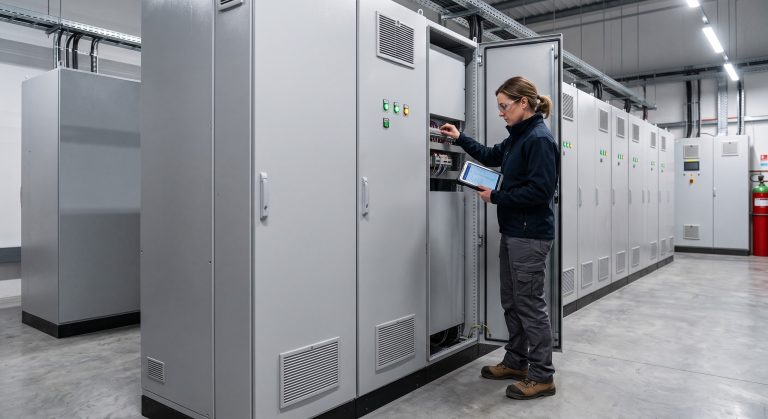
Battery chemistry is the bedrock of safety and lifecycle. Clean energy accessible solutions increasingly rely on Tier-1 Lithium Iron Phosphate (LFP) prismatic cells, which provide inherently lower thermal runaway risks compared to Nickel Manganese Cobalt (NMC) alternatives. The BMS utilizes passive or active cell balancing algorithms to monitor individual cell voltage and temperature, ensuring the pack operates within the strict parameters of IEC 62619. The BMS data analytics also calculate precise State of Charge (SoC) and State of Health (SoH), enabling predictive maintenance protocols and extended performance guarantees.
Technical Specifications Matrix
For B2B sourcing, verifying core technical specifications against industry benchmarks is non-negotiable. The following matrix outlines the critical metrics for evaluating commercial ESS solutions and ensuring compliance with UL 9540 and CE standards.
| Key Parameter | Technical Specification |
|---|---|
| Battery Chemistry | Tier-1 LFP (Lithium Iron Phosphate) |
| Nominal Capacity (Usable) | 1000 kWh – 5000 kWh (Scalable MWh) |
| Cycle Life (90% DoD) | >8000 cycles to 80% EoL |
| Round-trip Efficiency | ≥92% (DC-to-DC), ≥88% (AC-to-AC) |
| Thermal Management | Liquid Cooling (ΔT < 2°C per module) |
| Safety Standards | UL 9540, IEC 62619, CE, UN38.3 |
Financial Modeling: Total Cost of Ownership (TCO) and LCOE Optimization
The shift to accessible clean energy is driven by quantifiable financial outcomes. While CapEx remains a primary consideration for procurement teams, OpEx reductions realized through peak-shaving and demand response (DR) programs often accelerate payback periods to under 4 years for high-consumption facilities. A comprehensive TCO analysis must factor in the system’s Depth of Discharge (DoD) parameters; operating at 90% DoD compared to 80% DoD increases usable energy but degrades cycle life. Tier-1 LFP cells, when paired with advanced liquid cooling thermal management that maintains cell delta temperatures within 2°C, can achieve >8,000 cycles at 90% DoD. This durability ensures a Levelized Cost of Energy (LCOE) reduction of nearly 30% compared to traditional UPS systems or diesel backup, creating a robust ROI narrative that extends far beyond initial acquisition costs.
Grid Support and VPP Readiness
For C&I clients, energy assets must be revenue-generating. Modern clean energy accessible solutions are VPP-ready, capable of aggregating with the grid to provide ancillary services such as frequency regulation and voltage support. This integration requires sophisticated EMS software capable of interpreting grid signals (ISO 15118) and dispatching power within milliseconds. Systems compliant with UL 9540 offer the safety redundancy required for utility-grade grid interconnection.
Deployment Scenarios and Industrial Integration
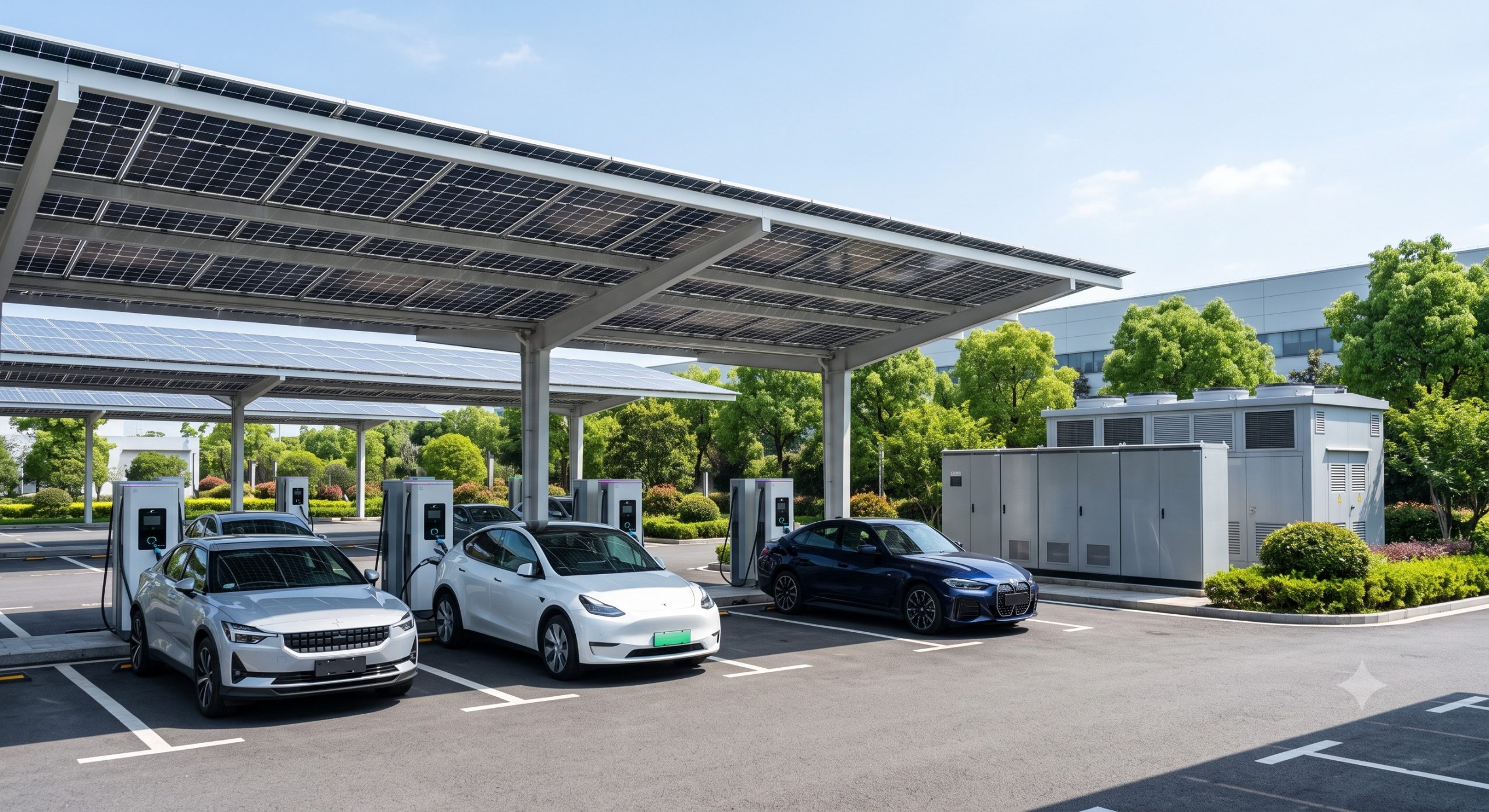
Deployment flexibility defines accessibility. Containerized ESS units offer rapid turnkey solutions for industrial parks and EV supercharging hubs. For EV charging, the synergy of PV-Storage-Charging combines solar canopies with battery buffers, allowing the station to deliver ultra-fast charging without straining the local grid. The modular design of these systems allows for scalable capacities from 500kWh for manufacturing plants to multiple MWh for data centers, significantly reducing carbon footprints while ensuring operational continuity in outage scenarios.
Conclusion: Future-Proofing Commercial Assets
The trajectory of C&I energy management is undeniably tied to the adoption of technologically robust and financially viable clean energy accessible solutions. By prioritizing architectures that feature advanced liquid cooling, Tier-1 LFP chemistry, and comprehensive UL 9540 compliance, enterprises can achieve immediate peak-shaving savings and long-term energy security. As the energy landscape shifts toward distributed generation, these systems are not just assets; they are the foundations of a resilient, zero-carbon commercial infrastructure.