
BATTERY TERMINAL LUG: HIGH-RELIABILITY DC CONDUCTIVE INTERFACE FOR BESS APPLICATIONS
EXECUTIVE SUMMARY
The Battery Terminal Lug is a mission-critical conductive component engineered for high-current, low-resistance termination between battery modules, high-voltage DC busbars, and power conversion systems (PCS). Designed for Tier-1 BESS racks and containerized storage platforms, this lug family ensures stable torque retention, corrosion resistance under thermal cycling, and compatibility with standard M8/M10 battery terminal studs. All variants meet UL 486A-486B and IEC 61238-1 mechanical and electrical connection standards.
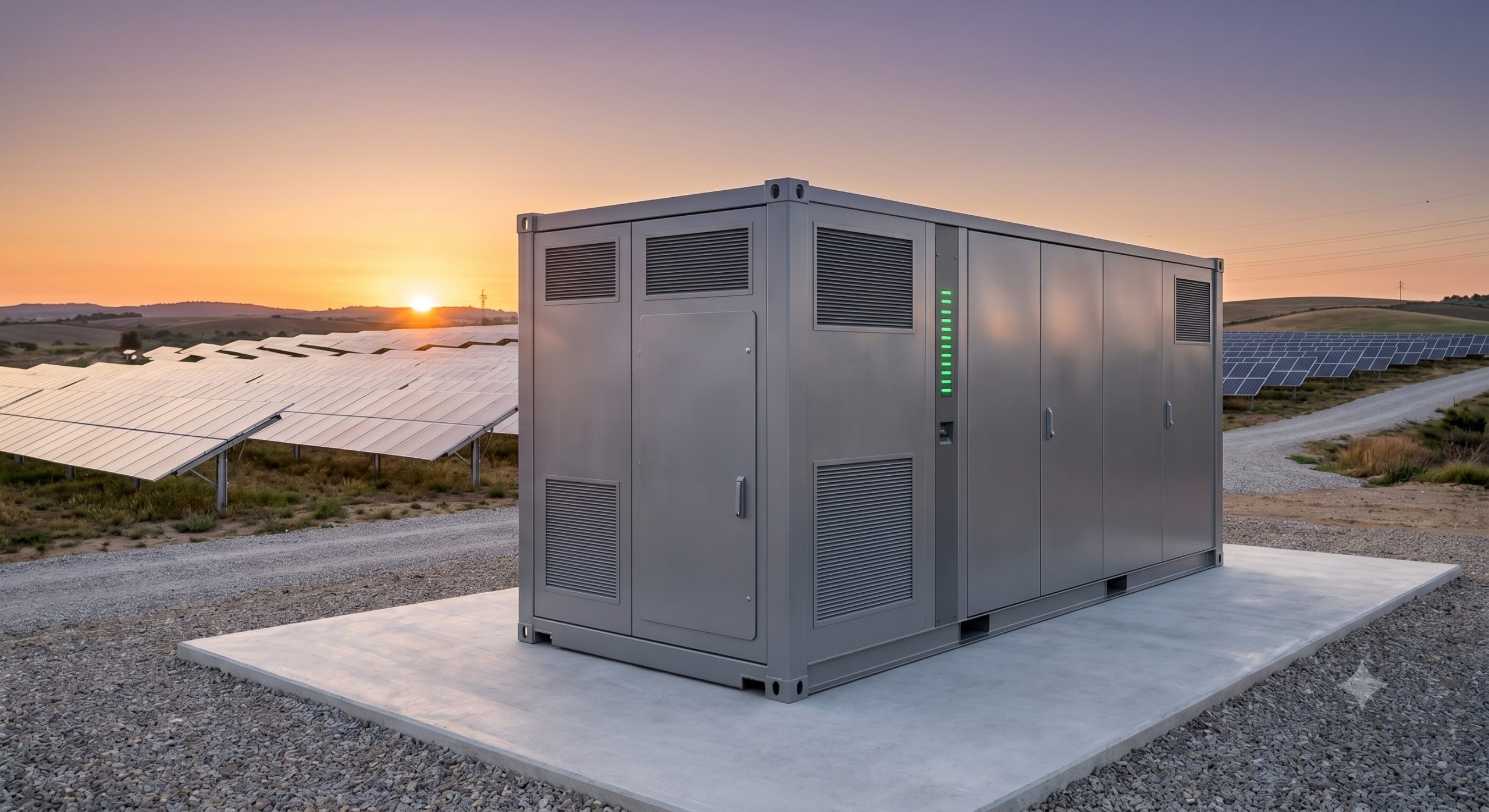
SYSTEM ARCHITECTURE & SAFETY INTEGRATION
The lug serves as the primary DC current path within battery rack assemblies. Manufactured from oxygen-free high-conductivity (OFHC) copper with tin or nickel plating, it provides galvanic compatibility with aluminum or copper busbars. A flared barrel entry and closed-end design prevent stray wire strands, while the inspection window confirms full cable insertion. Safety features include: integrated heat-shrink insulation sleeve (optional), anti-vibration lock washers compatible, and surface marking for torque specification (e.g., 12 Nm).
KEY FEATURES
– Material: OFHC Copper, ≥99.9% IACS conductivity
– Plating Options: Tin-plated (standard, for Al/Cu interfaces), Nickel-plated (high-temp >150°C applications)
– Termination Stud Sizes: M6, M8, M10, M12 (customizable to battery module terminals)
– Cable Acceptance: 35mm² to 240mm² (AWG 2 to 500 kcmil)
– Operating Temperature Range: -40°C to +125°C (tin-plated), -40°C to +200°C (nickel-plated)
– Torque Retention: ≥500 thermal cycles (IEC 61238-1 Class 2)
– Voltage Rating: 1500V DC (typical for utility-scale BESS)
COMPLIANCE & STANDARDS
– UL 486A-486B: Wire connectors and soldering lugs for copper conductors
– IEC 61238-1: Compression connectors for power cables
– RoHS 3 (EU) / REACH (SVHC compliant)
– DFARS (domestic procurement variant available)
– Flame rating: V-0 per UL 94 (with insulation sleeve)
TECHNICAL SPECIFICATIONS TABLE
| Parameter | Specification (Tin-Plated Cu) | Specification (Nickel-Plated Cu) |
|---|---|---|
| Conductor Cross-Section | 35–240 mm² (AWG 2–500 kcmil) | 50–185 mm² (AWG 1/0–350 kcmil) |
| Continuous Current Rating (90°C cable) | 150–520 A (depending on cable size) | 160–480 A |
| Stud Hole Diameter | 8.4 mm (M8), 10.5 mm (M10) | 8.4 mm (M8), 10.5 mm (M10) |
| Pad Thickness | 2.5–4.0 mm | 2.5–4.0 mm |
| Maximum Operating Temperature | +125°C | +200°C |
| Resistance (micro-ohm @ 120 mm²) | ≤ 9 µΩ after crimp | ≤ 11 µΩ after crimp |
| Compliance | UL 486A, IEC 61238-1 Class 2 | IEC 61238-1 Class 2, high-temp variant |
MECHANICAL INSTALLATION PROFILE
Each lug includes a double-hole NEMA standard or single-hole terminal pad with chamfered edges to avoid stress risers. The barrel is seamless and internally serrated to penetrate oxide layers on stranded aluminum cables (when using bi-metallic versions). For liquid-cooled BESS racks where vibration is present, a captured spring washer interface is recommended between lug and battery terminal.
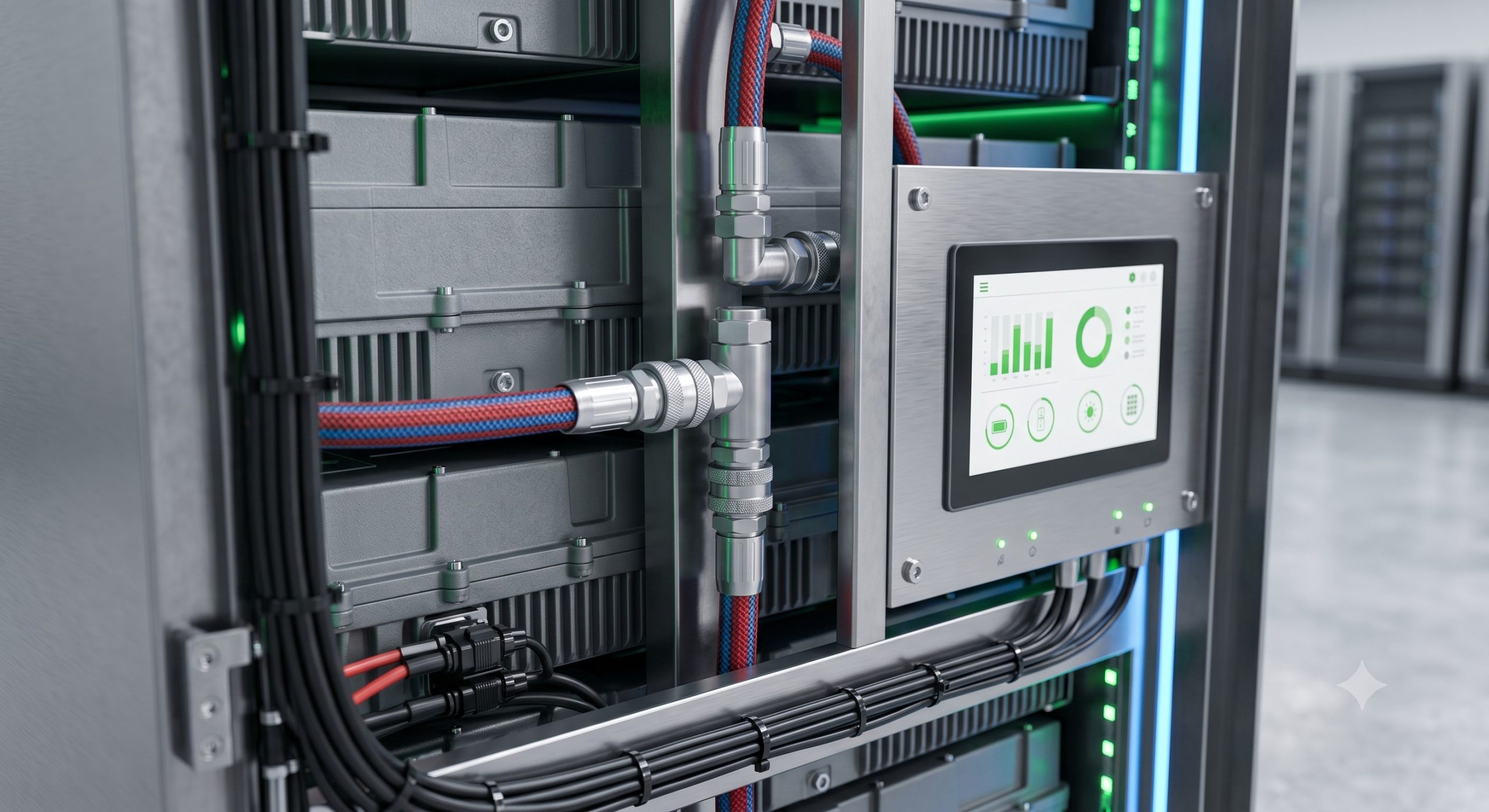
INDUSTRIAL DEPLOYMENT GUIDANCE
– Recommended Crimping Tool: Hexagonal or indent crimping per tool manufacturer calibration (e.g., 12–18 tons for 150mm²)
– Pull-out Force Verification: ≥ specified minimum by cable gauge (field test via calibrated pull tester)
– Torque Sequence: Two-step progressive tightening to prevent terminal stud galling
– Galvanic Compatibility: Use tin-plated lugs for all Cu-Al interfaces; apply anti-oxidant compound on aluminum conductor insertion
– Storage & Handling: Keep in low-humidity environment (<60% RH) until installation to prevent pre-oxidation
WARRANTY & SUPPORT
20-year performance warranty against mechanical failure under specified operating conditions when installed with approved crimping tools. Full traceability via laser-etched lot code on each lug.
📥 Download Technical Specification
Click the button below to view or download the full official PDF datasheet.