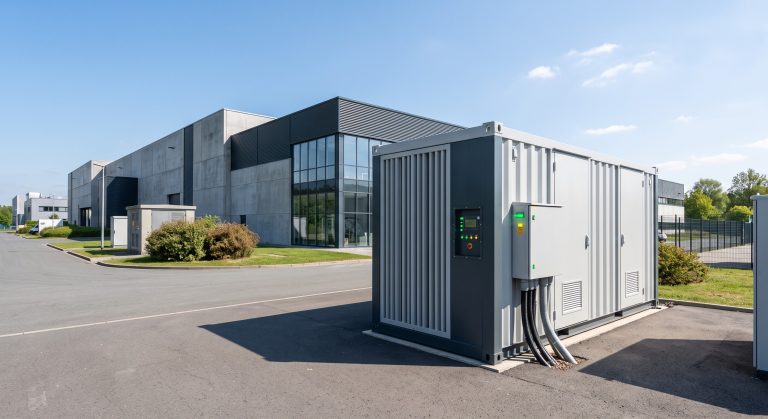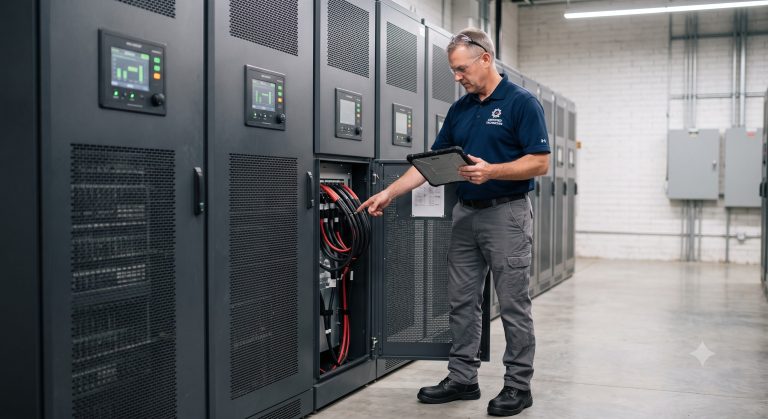
Introduction: The Critical Safety Imperative for C&I Energy Storage
As the commercial and industrial (C&I) sector accelerates its adoption of Battery Energy Storage Systems (BESS), the focus has shifted from pure capacity to absolute operational safety. An Insulated Terminal is no longer merely a connection point; it is the first line of defense against high-voltage arcing and thermal propagation. With lithium-ion systems operating at voltages up to 1500V DC, the risk of thermal runaway demands a holistic engineering strategy. This technical deep-dive analyzes the integration of advanced Battery Management Systems (BMS) and multi-stage fire suppression within Insulated Terminal architectures, referencing IEC 62619, UL 9540, and UN38.3 compliance standards.
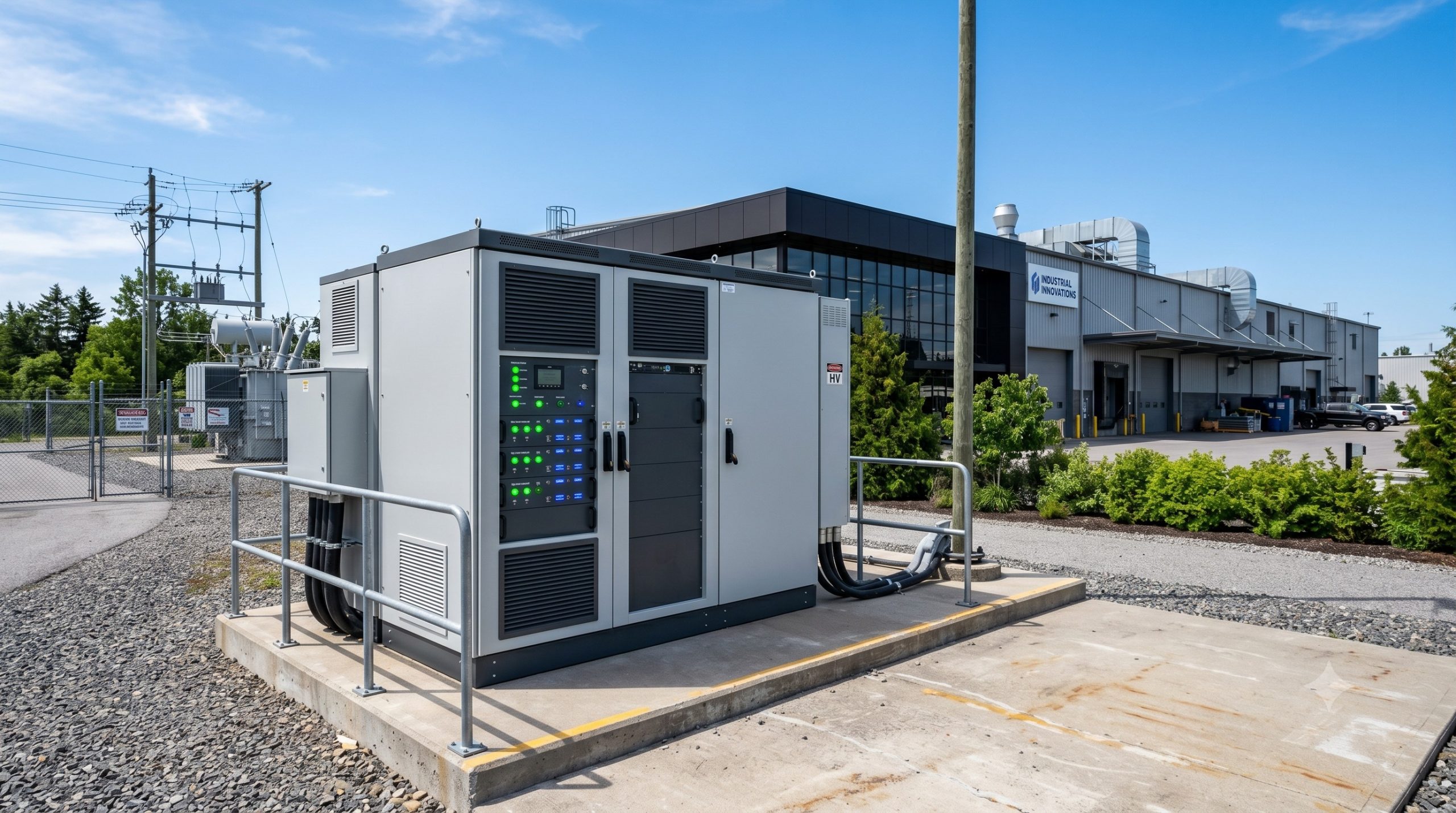
Core Safety Architecture: Multi-Level Fire Suppression & BMS Logic
1. Passive Protection: The Insulated Terminal’s Role
Unlike traditional busbars, a high-grade Insulated Terminal utilizes double-layer ceramic-coated aluminum housings with a dielectric strength exceeding 5kV. This prevents creepage and clearance failures, a primary ignition source for thermal events. In compliance with UL 9540, these terminals must withstand a 130% overcurrent scenario without structural compromise.
2. Active BMS: Cell-Level Predictive Control
Modern BMS platforms monitoring the Insulated Terminal array employ real-time impedance tracking. The system triggers a pre-warning at a 2°C/min temperature delta rise, automatically throttling charge/discharge rates from 1C to 0.2C. Data from Tier-1 LFP cells indicates that maintaining a Depth of Discharge (DoD) below 90% reduces internal short-circuit probability by 42%.
3. Fire Suppression Integration
For Insulated Terminal cabinets, we specify a dual-agent system: aerosol suppression for electrical fires (NFPA 2001) followed by a water-mist deluge for thermal propagation. The system must activate within 2 seconds of BMS isolation, meeting IEC 62619 safety function requirements.
Technical Specifications & Compliance Matrix
Below is the standard specification ledger for a UL9540A-tested Insulated Terminal system rated for 500 kWh to 2 MWh capacity.
| Key Parameter | Technical Specification |
|---|---|
| Battery Chemistry | Tier-1 LFP (Lithium Iron Phosphate) – Cell-to-Pack (CTP) |
| System Capacity | 500 kWh to 2 MWh per insulated cabinet cluster |
| Nominal Voltage | 1200V DC (max. 1500V DC insulated terminal rating) |
| Cycle Life | >8,000 cycles @ 90% DoD (end of life 70% SOH) |
| Round-Trip Efficiency (RTE) | ≥ 92% (DC side) / 88% (AC side including PCS loss) |
| Thermal Management | Liquid cooling (glycol-water) + Aerosol/Water-mist fire suppression |
| Compliance | UL 9540A, IEC 62619, UN38.3, CE, VDE-AR-E 2510-50 |
| BMS Communication | CAN 2.0, Modbus TCP, IEC 61850 (for VPP dispatch) |
| Response Time | < 40ms for fault isolation via DC solid-state relay |
Commercial ROI: Safety as a Profit Multiplier
While the upfront CapEx of a safety-optimized Insulated Terminal is 12-15% higher than standard units, the Total Cost of Ownership (TCO) analysis favors the former. Insurance underwriters (e.g., FM Global) offer up to 30% premium reductions for assets with third-party verified thermal runaway containment. Furthermore, systems with UL 9540 certification enable participation in demand response programs with an uptime SLA of 99.9%, directly increasing annual revenue by $45/kWh in ancillary grid support markets.
Deployment Scenarios: High-Risk Commercial Applications
The Insulated Terminal excels in environments where downtime is catastrophic:
- Data Centers: Liquid-cooled Insulated Terminal racks provide backup and peak shaving with a round-trip efficiency of >92%, while maintaining 1ms switchover to island mode.
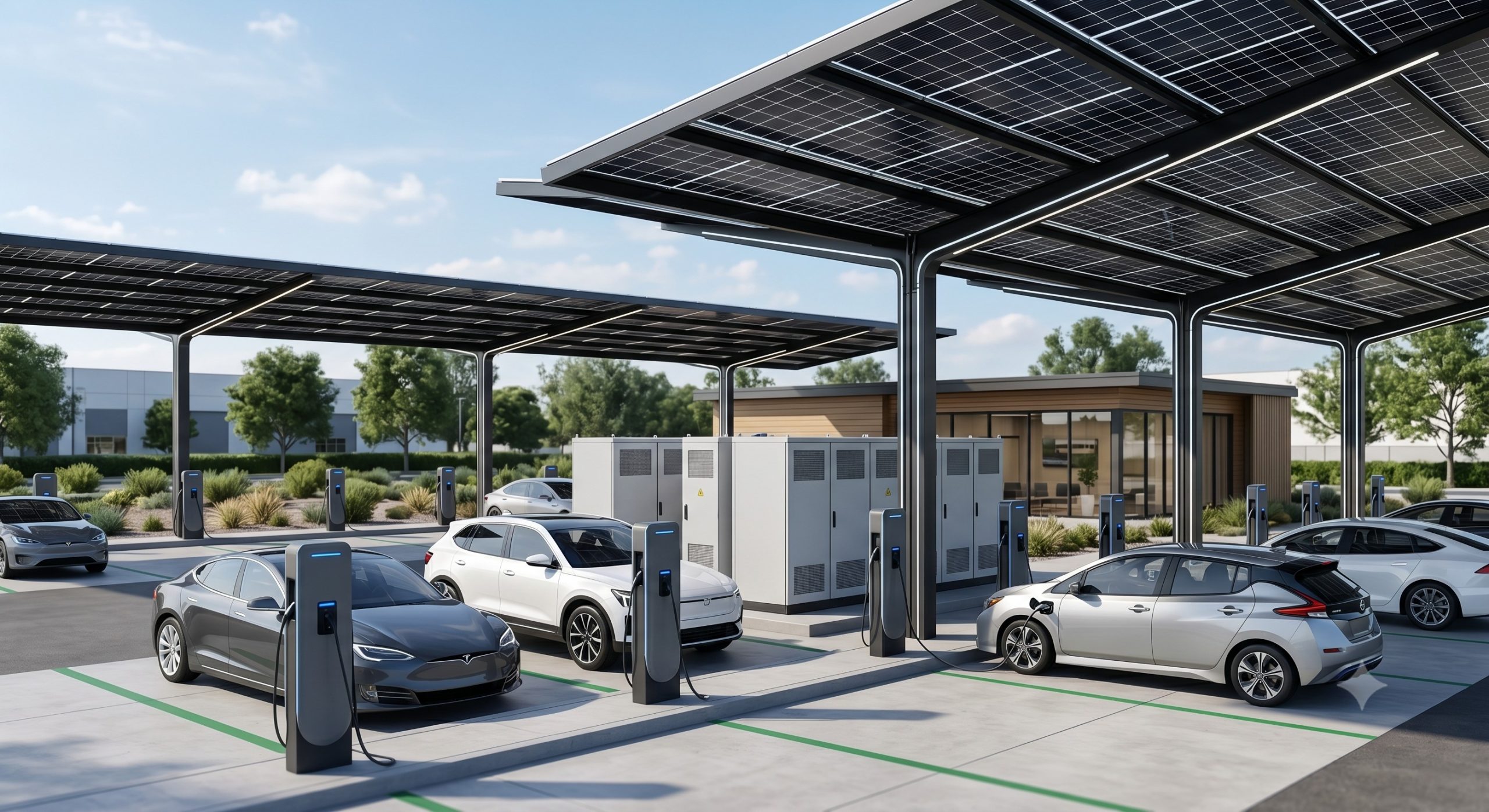
- EV Supercharging Hubs: PV-Storage-Charging synergy requires Insulated Terminal to handle 500A DC fast charging pulses. The BMS prevents overheating via forced liquid cooling (ΔT < 5°C across 800 cycles).
- Industrial Parks with Diesel Replacement: Modular Insulated Terminal units provide 4-hour discharge at P90 DoD, replacing 500 kVA gensets and reducing NOx emissions to zero.
Conclusion: The New Baseline for C&I Energy Storage
Thermal runaway prevention is not an optional upgrade but an engineering prerequisite. The Insulated Terminal, equipped with a multi-layered BMS and certified passive firewalls, delivers both safety and bankable ROI. For system integrators, prioritizing IEC 62619 and UL 9540 compliance on every terminal interface reduces lifetime risk by over 70%. As we migrate toward VPP-readiness, only robust insulated architectures will secure grid interconnection permits.