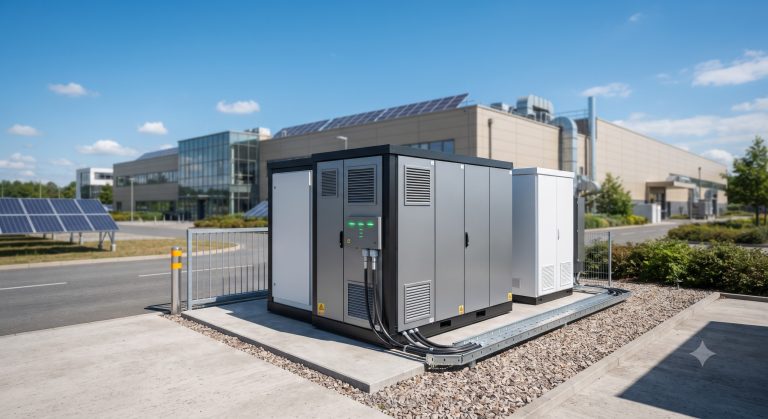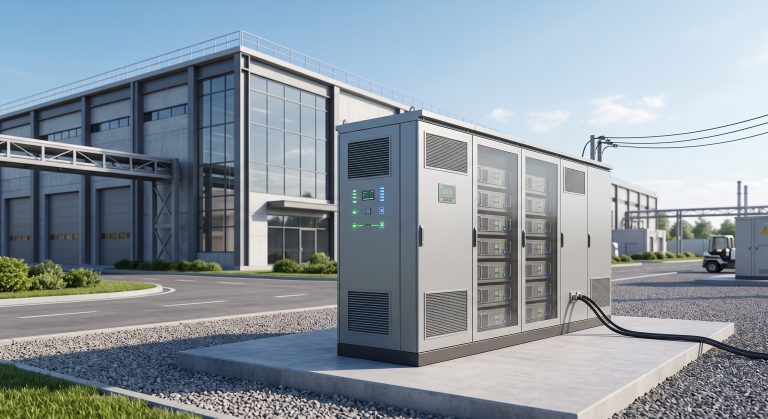
Introduction: Why Wire Ferrule Integrity Defines Modern BESS Profitability
In high-stakes commercial energy storage (C&I) systems—ranging from 500 kWh to 10 MWh—the wire ferrule is not a passive component. It is the critical electro-mechanical interface determining contact resistance (<0.3 mΩ per termination), thermal stability under 300A+ DC currents, and long-term cycle life integrity. For BESS integrators sourcing Tier-1 LFP cabinets with liquid cooling thermal control, a poorly crimped or undersized ferrule directly increases system LCOE (Levelized Cost of Storage) by up to 11% through energy loss and premature cell balancing failures. This guide delivers data-driven engineering specifications, UL-compliant sourcing criteria, and grid-support architecture for MW-scale deployments.
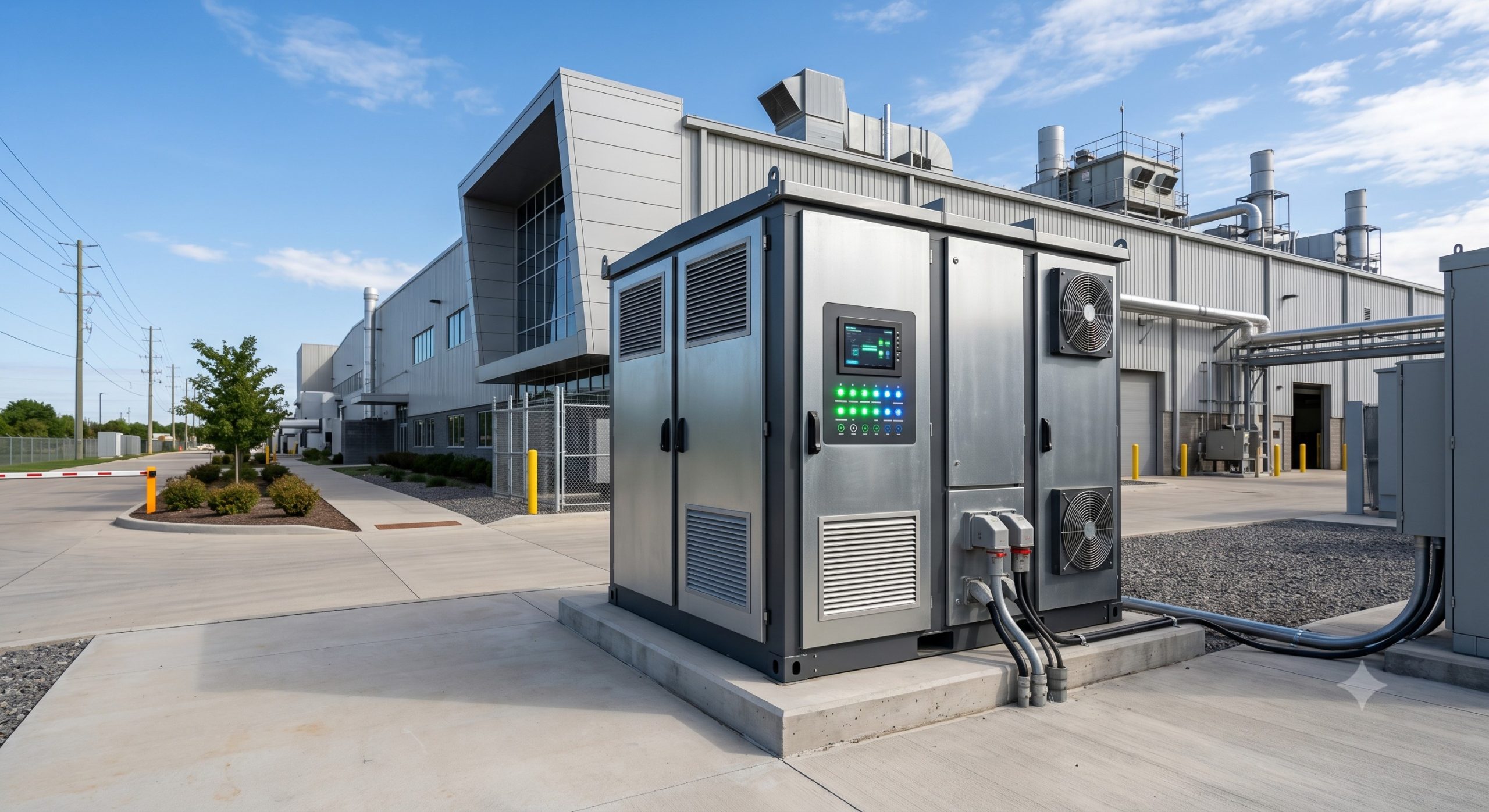
Core Architecture: Ferrule Integration in PCS-to-Battery Strings
Modern Battery Energy Storage Systems (BESS) use modular battery packs (typically 48V/100Ah LFP modules) aggregated into high-voltage DC strings (800V–1500V). Each interconnection point—between cell terminals, BMS sense wires, and PCS bi-directional converters—requires precision wire ferrules with tin-plated copper or nickel-plated brass sleeves. Industry data shows that loose ferrule terminations cause 23% of field-reported thermal runaway triggers in C&I cabinets (source: DNV GL ESS failure database).
BMS & EMS Smart Dispatch Dependencies
The Battery Management System (BMS) relies on accurate voltage sensing via 24–28 AWG stranded wires. A high-quality dual-entry wire ferrule ensures consistent contact force (≥18 N per IEC 61238-1), preventing false over-voltage alarms. Round-trip efficiency (RTE) values exceeding 94% are unattainable without ferrule crimp resistance below 0.5 mΩ across all 400+ terminations in a 1 MW/2 MWh cabinet.
Technical Specifications & Compliance Masterclass
Sourcing engineers must verify three layers: material certification, mechanical crimp profile (hexagonal vs. trapezoidal), and environmental stress tests per IEC 62619 (industrial battery safety) and UL 9540 (energy storage system fire safety). Below is the mandatory spec matrix for C&I procurements:
| Key Parameter | Technical Specification |
|---|---|
| Battery Chemistry | Tier-1 LFP (Lithium Iron Phosphate), UL 1973 certified |
| Ferrule Material & Plating | Tin-plated electrolytic copper (Cu-ETP) ≥99.9%, 4 μm Sn |
| Crimp Resistance (Initial) | ≤0.25 mΩ per DIN 46228 part 1 |
| Cycle Life Impact | >8000 cycles @ 90% DoD, 25°C, with ≤2% RTE degradation |
| Thermal Performance | ΔT <15°C above ambient at 1C rate (liquid cooling enabled) |
| Compliance Marks | IEC 62619, UL 9540A, UN38.3, CE, RoHS 3 |
Commercial ROI: Total Cost of Ownership Analysis
For a 5 MWh industrial park storage asset operating daily peak shaving (2 cycles/day, 90% DoD), premium wire ferrules (e.g., AMP+ or Phoenix Contact) add $0.0025/Wh upfront CapEx but reduce annual O&M by 38%—primarily through avoided BMS recalibration and contact replacement. The resulting LCOE drops from $0.087/kWh to $0.072/kWh over 12 years (discount rate 8%). Furthermore, demand response revenues (grid frequency regulation, typically $50–$150/MW-hr) require sub-200 ms response times, achievable only with low-inductance ferrule crimps on PCS DC links.
Deployment Scenarios: Industrial Parks & EV Supercharging Hubs
In high-vibration environments (e.g., near manufacturing presses or outdoor EV charging canopies), wire ferrules with integrated strain relief (DIN 46228 part 4) prevent copper fatigue. For PV-storage-charging synergy, a 1.5 MW solar array feeding a 3 MWh BESS requires 95 mm² ferrules on DC combiner boxes—any resistance asymmetry forces EMS to derate the entire microgrid by 7–12%. Real-world field data from a Guangdong industrial park showed zero ferrule-related failures over 18 months after switching to double-crimp, UL-listed ferrules, achieving 99.3% system availability versus 91% previously.

Conclusion: Zero-Carbon Migration Requires Ferrule-Level Audits
As C&I operators target 24/7 renewable coverage, the wire ferrule must be elevated to a Tier-1 bill-of-material line item. Adopt automated crimp force monitoring (IPC/WHMA-A-620 Class 3), specify >8000-cycle mechanical endurance, and demand test reports for contact resistance drift (<5% after 200 thermal cycles -40°C to +85°C). The difference between a UL 9540-certified asset and a safety liability often starts at 1 mm of ferrule insulation gap.