Introduction: The Thermal Bottleneck in Megawatt-Scale BESS
As commercial and industrial (C&I) facilities scale their energy storage systems (ESS) beyond 500kWh, the inadequacy of traditional air cooling becomes a critical liability. A Liquid Cooling System is no longer a luxury but a necessity for maintaining Tier-1 LFP cell integrity, ensuring a round-trip efficiency above 92%, and preventing accelerated degradation. While ambient air cooling struggles with delta-T gradients exceeding 5°C across a rack, advanced liquid cooling maintains cell temperature variance within ±1.5°C, directly impacting cycle life and safety compliance with IEC 62619 and UL 9540.
Core Architecture: How Liquid Cooling Optimizes Thermal Dynamics
Micro-Channel Cold Plates vs. Immersion Cooling
For high-density C&I cabinets (100kW-500kW), the industry standard is indirect liquid cooling using aluminum micro-channel cold plates bonded directly to the prismatic LFP cell pouches. Unlike immersion cooling (which adds complexity for dielectric fluids), cold plates offer a superior balance of serviceability and thermal extraction, dissipating heat loads of up to 15kW per rack. This architecture directly supports a Depth of Discharge (DoD) of 90-95% without triggering thermal throttling.
Integrated BMS and Hydraulic Logic
The intelligence of a Liquid Cooling System lies in its variable-speed pump control unit (PCU) integrated with the Battery Management System (BMS). When the EMS detects a load surge (e.g., EV supercharging), the BMS commands the coolant flow rate to increase from 8 L/min to 18 L/min dynamically. This prevents hot spots and ensures that the cell-to-cell temperature delta remains within UL 9540A thermal runaway propagation test thresholds. The system typically utilizes a water-glycol mixture (30% PG / 70% DI water) to prevent corrosion and maintain viscosity down to -20°C ambient.
Technical Specifications: Liquid Cooling System Datasheet
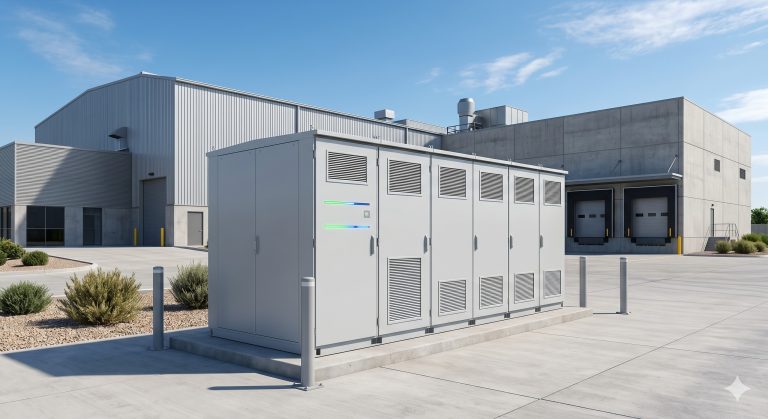
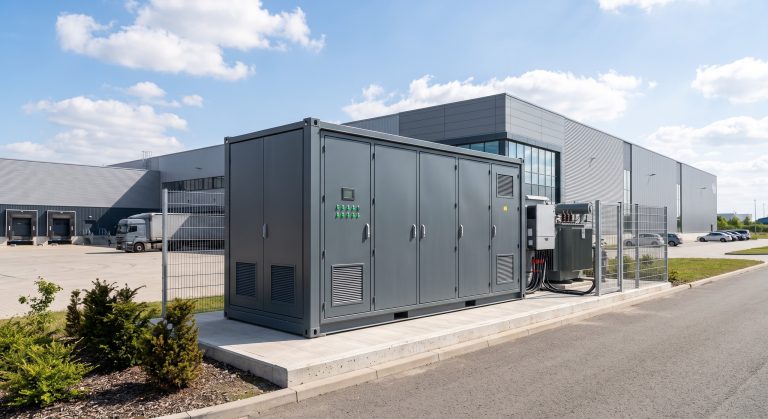
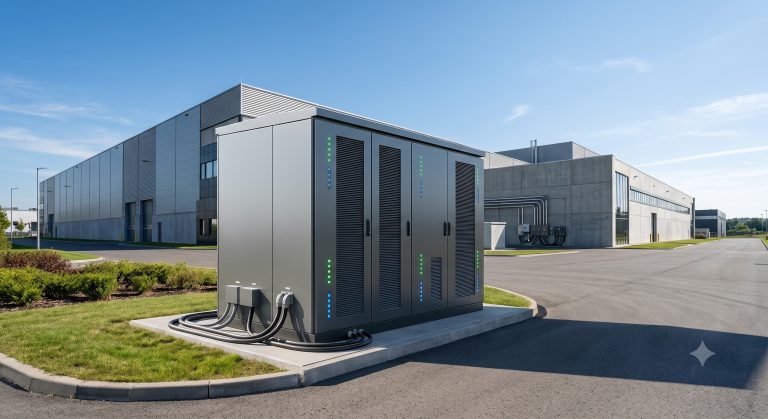
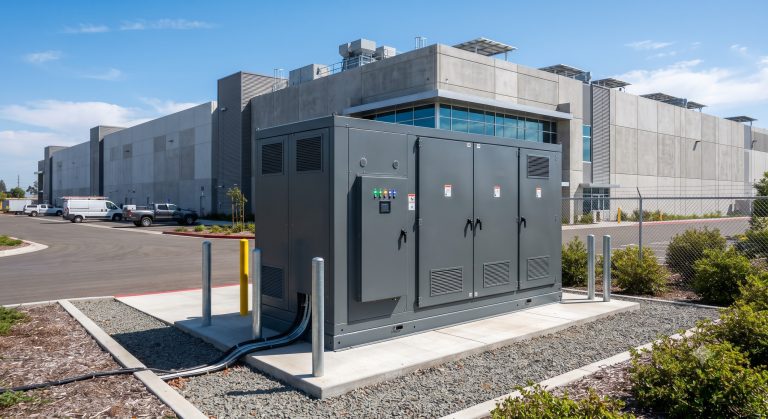
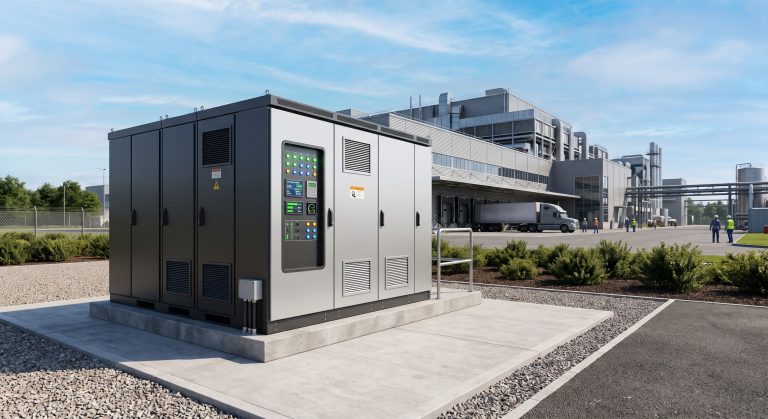
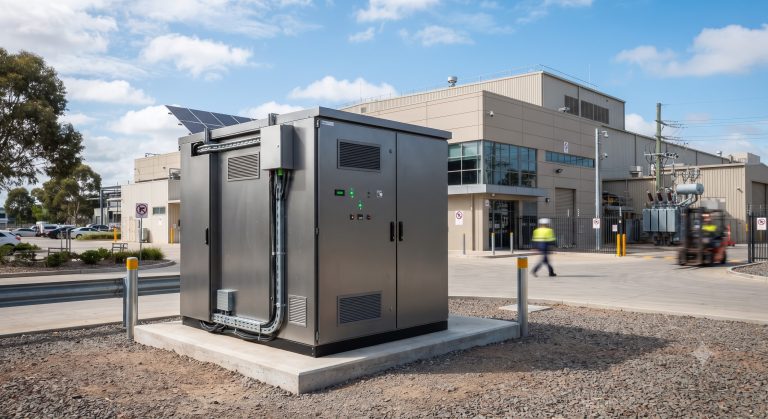
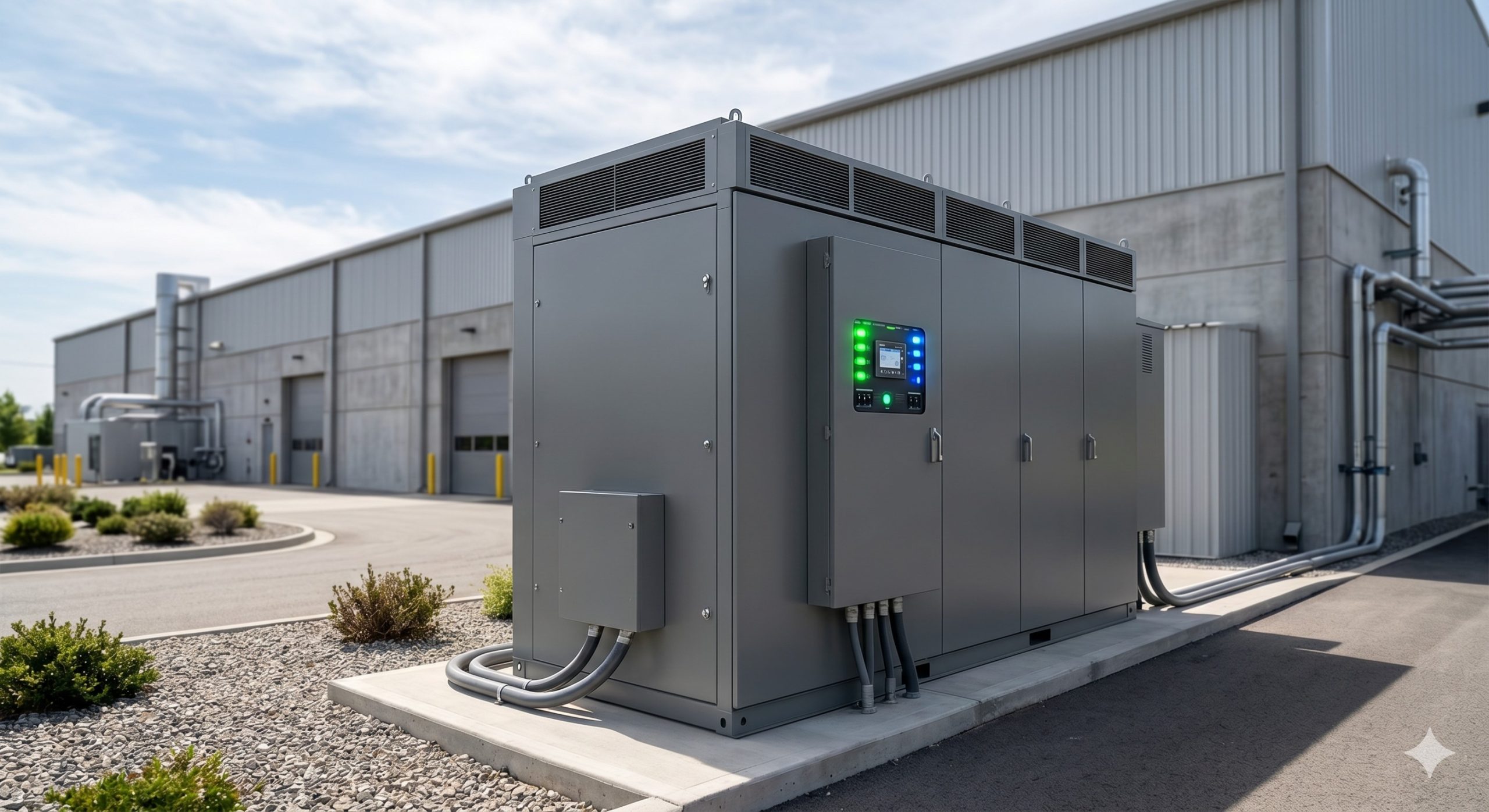
The following metrics represent baseline requirements for commercial-grade Liquid Cooling System integration in a 372kWh outdoor cabinet.
| Key Parameter | Technical Specification |
|---|---|
| Battery Chemistry | Tier-1 LFP (Lithium Iron Phosphate) |
| Thermal Control Method | Liquid Cooling (Micro-channel Cold Plate, Water-Glycol) |
| Cell Temperature Uniformity | ≤ ±1.5°C (Full load, 0.5C rate) |
| Cycle Life (@ 25°C EOL 80%) | >8000 cycles @ 90% DoD (IEC 62619) |
| System Round-Trip Efficiency | >92% (DC/DC, including parasitic pump load) |
| Safety Compliance | UL 9540 (Thermal Runaway Propagation Tested), UN38.3 |
| IP Rating (Cabinet) | IP55 (Outdoor), IP67 (Battery modules) |
Commercial ROI: Total Cost of Ownership (TCO) Analysis
While the upfront CapEx for a liquid-cooled ESS is typically 12-15% higher than air-cooled alternatives, the TCO over 10 years favors liquid cooling by a significant margin. By maintaining average cell temperatures below 35°C, the system preserves calendar life and delivers >8000 cycles (compared to ~4500 cycles for air-cooled at 40°C). For a peak-shaving application offsetting $0.25/kWh industrial tariffs, this translates to an additional $87,000 in net revenue per MWh of capacity over the asset’s lifespan. Furthermore, the higher packing density (50% more energy per square foot) reduces civil works and land lease OpEx.
Demand Response and Ancillary Services
The superior thermal stability enables the system to participate in fast frequency regulation (FFR) markets. Air-cooled systems often require a 5-10 minute cooldown period after a high-C rate discharge; liquid cooling eliminates this, allowing the BESS to respond to grid operator signals (e.g., National Grid ESO) within 500ms, capturing additional incentive revenue streams.
Deployment Scenarios: Where Liquid Cooling Excels
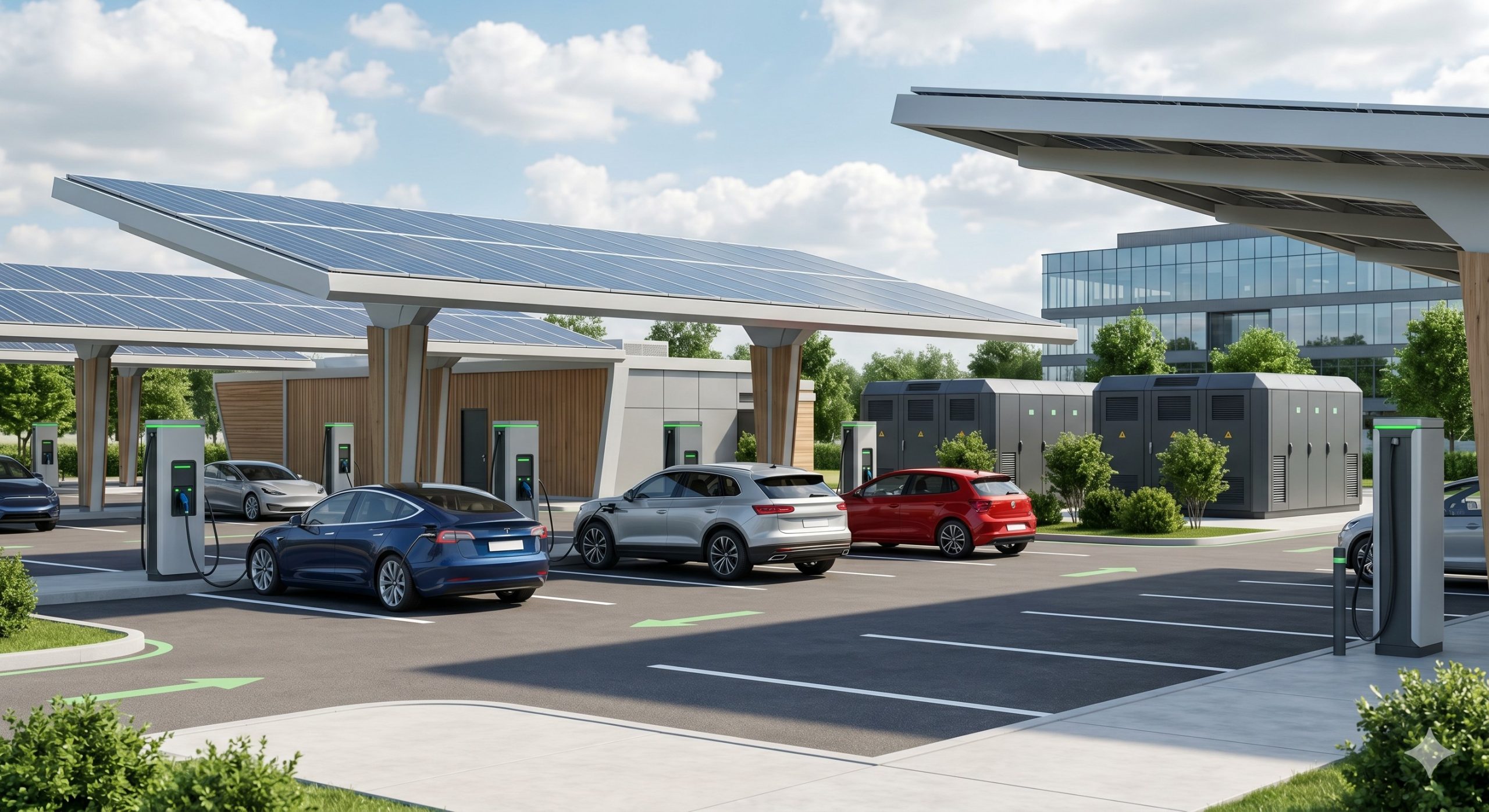
The Liquid Cooling System is specifically mandated for high-ambient environments (Middle East, Southeast Asia) and high-utilization applications. For PV-Storage-Charging hubs serving electric fleets, the rapid thermal recovery prevents downtime during back-to-back 2C charging events. Similarly, in industrial micro-grids supporting arc furnaces or automated manufacturing, the instantaneous thermal response prevents nuisance tripping and ensures UL 9540 compliance for indoor/adjacent-to-building installations.
Conclusion: The New Standard for Tier-1 C&I Procurement
Adopting a Liquid Cooling System is a strategic decision to maximize asset utilization and meet UN38.3 transport safety standards. For B2B buyers, verify that the supplier provides a Nusselt number calculation for their cold plate design and offers a 10-year performance warranty that specifically guarantees round-trip efficiency degradation below 5%. As cell energy densities increase to 200Wh/kg+, liquid cooling will become the mandatory baseline for all commercial storage systems above 100kWh.