The Global Safety Imperative: Why Lithium Iron Phosphate Compliance is Non-Negotiable
In the rapidly scaling landscape of Commercial & Industrial (C&I) energy storage, the shift toward Lithium Iron Phosphate (LFP) chemistry represents the definitive benchmark for safety, longevity, and bankability. Unlike volatile nickel-manganese-cobalt (NMC) chemistries, LFP’s inherently stable olivine structure provides exceptional thermal and chemical stability, effectively eliminating the primary risk of thermal runaway under standard operating conditions. However, for B2B procurement managers and system architects, chemistry alone does not guarantee project safety or grid compliance. Achieving rigorous certifications such as UL 9540 (the standard for energy storage systems and equipment), IEC 62619 (safety requirements for secondary lithium cells and batteries for industrial applications), UN38.3 (transportation safety), and CE marking is the mandatory gateway for deployment in industrial parks, EV supercharging hubs, and micro-grids. This masterclass dissects the engineering specifications, Battery Management System (BMS) redundancies, and fire suppression protocols required to meet these global standards.
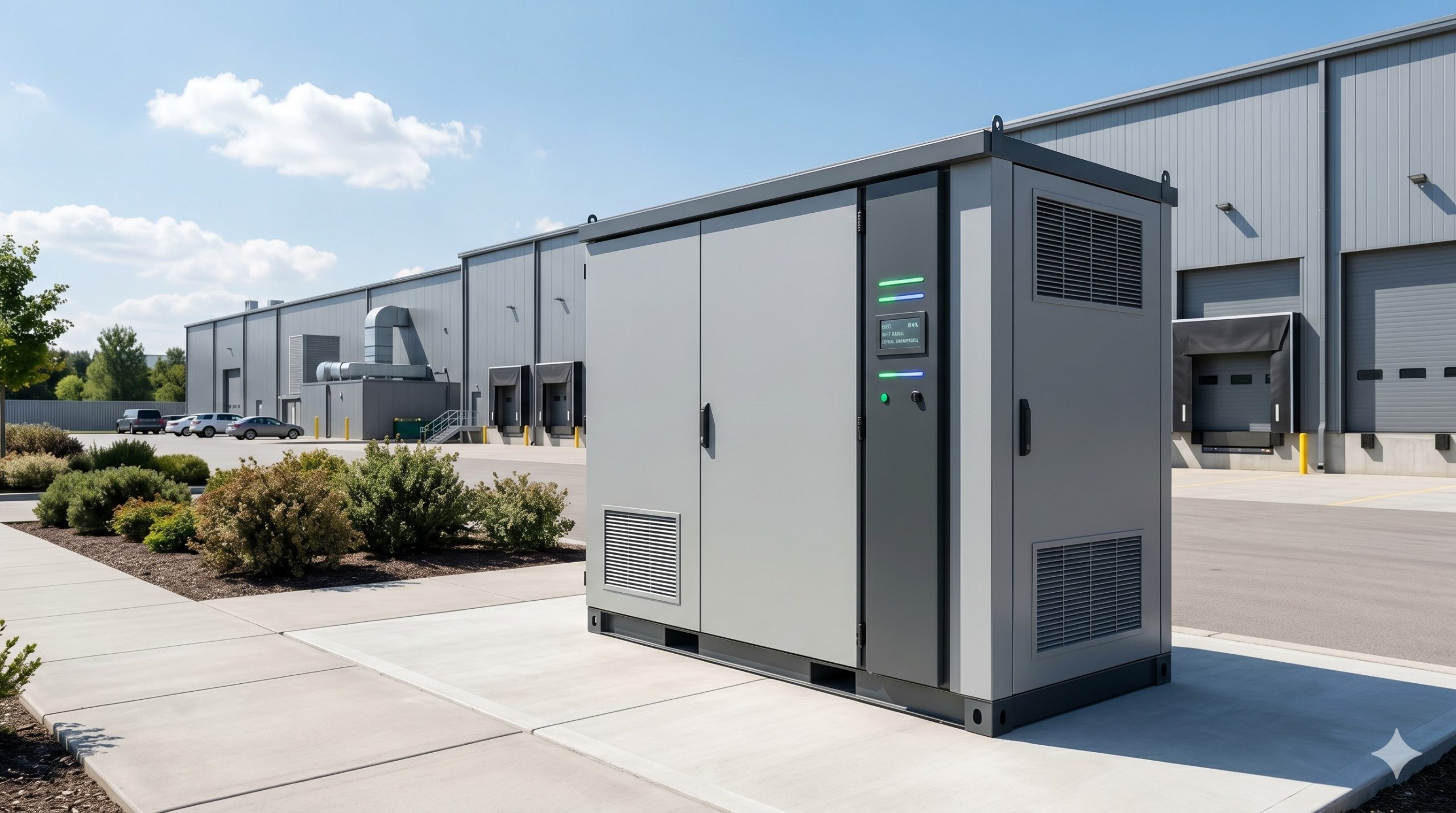
System Architecture: Cell-to-System Safety Integration
Multi-Level BMS and Passive/Active Cell Balancing
Compliance with IEC 62619 demands a robust, multi-tiered BMS architecture that monitors voltage, current, and temperature at the cell, module, and rack levels. High-quality LFP systems deploy a 3-tier BMS (Master-Slave-Slave) with passive cell balancing to equalize cell voltages during charging, preventing overvoltage conditions. Advanced units integrate active balancing to transfer energy between cells, improving round-trip efficiency and cycle life. The BMS must enforce strict operational limits: cell voltage typically between 2.5V and 3.65V, with pack-level disconnection for overcurrent or short-circuit protection, as mandated by UL 1973 (the standard for batteries for use in stationary, vehicle auxiliary power, and light electric rail applications).
PCS Bi-Directional Integration and Grid Synchronization
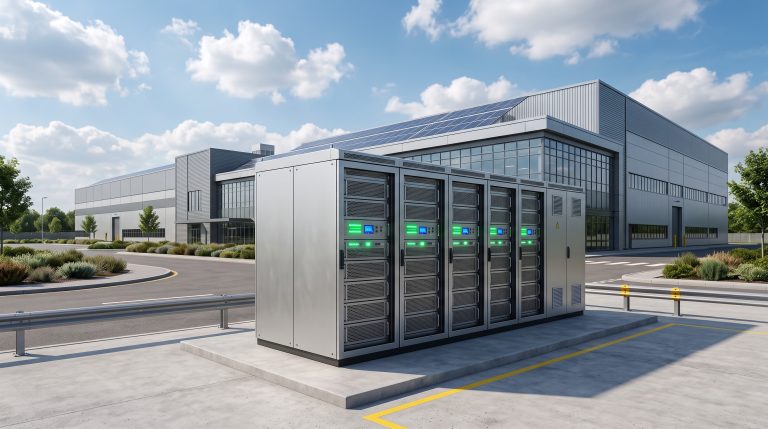
The Power Conversion System (PCS) must be certified to UL 1741 (including Supplement SA for grid support) or IEC 62477, ensuring seamless bi-directional power flow and grid synchronization (< 20ms switching time). For UL 9540 compliance, the entire system – batteries, BMS, PCS, and thermal management – must be evaluated as a complete assembly. Key metrics include nominal AC power (e.g., 100 kW to 500 kW per cabinet), peak power (typically 110% for 10 seconds), and total harmonic distortion (THD) < 3% at full load. The PCS must also support grid-forming and grid-following modes, crucial for Virtual Power Plant (VPP) readiness and frequency regulation services.
Critical Engineering Specifications
The following specifications represent the minimum thresholds for a Tier-1, UL 9540 certified Lithium Iron Phosphate (LFP) system designed for C&I peak shaving, demand response, and backup power applications. These parameters directly impact system lifespan, safety, and Total Cost of Ownership (TCO).
| Key Parameter | Technical Specification | Compliance Threshold |
|---|---|---|
| Cell Chemistry & Format | Tier-1 LFP (Lithium Iron Phosphate), prismatic (e.g., 280 Ah, 302 Ah or 314 Ah cells) | UL 1642 (cells) / IEC 62619 |
| System Voltage & Capacity | Nominal DC voltage: 768V – 1500V; Usable capacity: 500 kWh to 2 MWh per container/cabinet | UL 9540 / CE |
| Cycle Life & Throughput | >8,000 cycles @ 90% DoD, 0.5C charge/1C discharge, EoL 70% SOH; >12,000 cycles @ 80% DoD | IEC 62619 Annex D (cycle test) |
| Operational DoD & RTE | Max 95% DoD; Round-trip efficiency (AC-AC) ≥92% @ nominal power, 25°C | UL 9540 (system efficiency test) |
| Thermal Management | Liquid cooling (standard for >500 kWh) or forced air; Cell ΔT ≤ ±2°C (liquid) / ≤ ±5°C (air) | UL 9540A (fire propagation test) |
| BMS & Protection | 3-tier BMS (cell/module/rack), passive/active balancing, overvoltage/undervoltage/short circuit/overcurrent protection | IEC 62619 (functional safety) |
| PCS & Grid Interface | Bi-directional, 100 kW to 500 kW per unit; Grid-following & forming; THD <3%; Islanding capable | UL 1741 SA / IEEE 1547 |
| Safety Certifications | UL 9540 (system), IEC 62619 (industrial battery), UN38.3 (transport), CE (EMC & LVD) | Mandatory for project finance |
| Enclosure & Environment | IP55 or IP65, C4/C5 corrosion protection, operating temp -20°C to +50°C (derated above 45°C) | UL 50E / IEC 60529 |
| Warranty & Degradation | 10 years or 8,000 cycles (whichever first); Linear degradation <1.5% capacity loss per year; EoL 70% SOH | Varies by manufacturer |
Thermal Control: Liquid Cooling vs. Air Cooling for UL Compliance
Thermal management is central to passing UL 9540A (the test method for evaluating thermal runaway fire propagation in battery energy storage systems). While forced-air cooling remains cost-effective for smaller systems (< 200 kWh), liquid cooling has emerged as the superior architecture for high-capacity C&I deployments (> 500 kWh). Liquid cooling systems maintain cell temperature differentials within ±2°C versus ±5°C for air, significantly enhancing cycle life (>8000 cycles vs. <6000 cycles at 1C rate). Moreover, liquid cooling enables higher energy density (e.g., 250 kWh/m² floor footprint vs. 150 kWh/m² for air-cooled cabinets) and quieter operation (< 65 dBA), facilitating installation near office environments. For UL 9540 compliance, the cooling system must be fully integrated with the BMS to automatically derate or shut down the system in case of coolant leak or pump failure.
Commercial ROI and Grid Support Mechanisms
For energy service companies (ESCOs) and facility managers, the economic case for LFP hinges on Levelized Cost of Storage (LCOS) and Return on Investment (ROI). A typical 1 MWh / 500 kW LFP system operating under a peak shaving strategy in a region with a $25/kW demand charge and $0.15/kWh time-of-use arbitrage can generate annual savings exceeding $80,000. Key drivers include:
- Round-Trip Efficiency (RTE): Target >92% at nominal power, measured at the AC terminals. Higher RTE directly reduces energy losses and improves LCOS.
- Depth of Discharge (DoD): 90% DoD daily is standard for LFP. A 100 kWh system delivers 90 kWh usable per cycle. Limiting to 80% DoD can extend cycle life beyond 12,000 cycles but increases required capacity by 12.5%.
- Demand Response (DR): UL 9540 certification is often a prerequisite for utility DR programs. A system with sub-50ms response time can capture fast frequency regulation and spinning reserve markets, adding $30-$50/kW-year in revenue.
- Warranty and Degradation: Tier-1 manufacturers offer 10-year or 8,000-cycle warranties with end-of-life defined as 70%-80% of nameplate capacity. Specify linear degradation (< 1.5% annual capacity loss) rather than accelerated calendar aging.
Deployment Scenarios: Certified LFP in Action
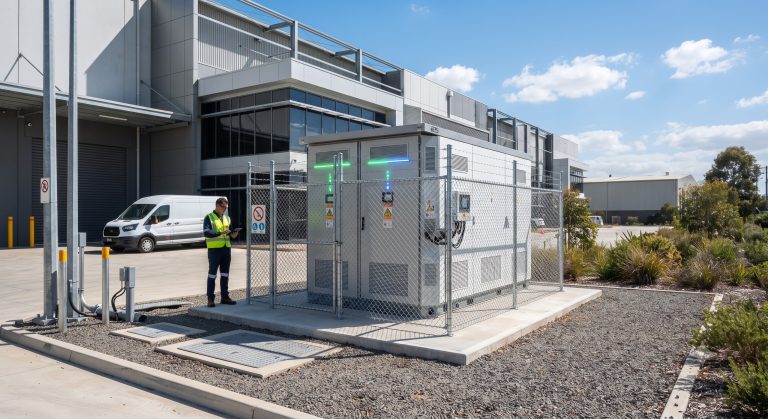
Compliance with UL 9540 and IEC 62619 unlocks deployment across diverse, high-value C&I scenarios. Each application imposes unique stress profiles on the battery system, making certified LFP the only bankable choice.
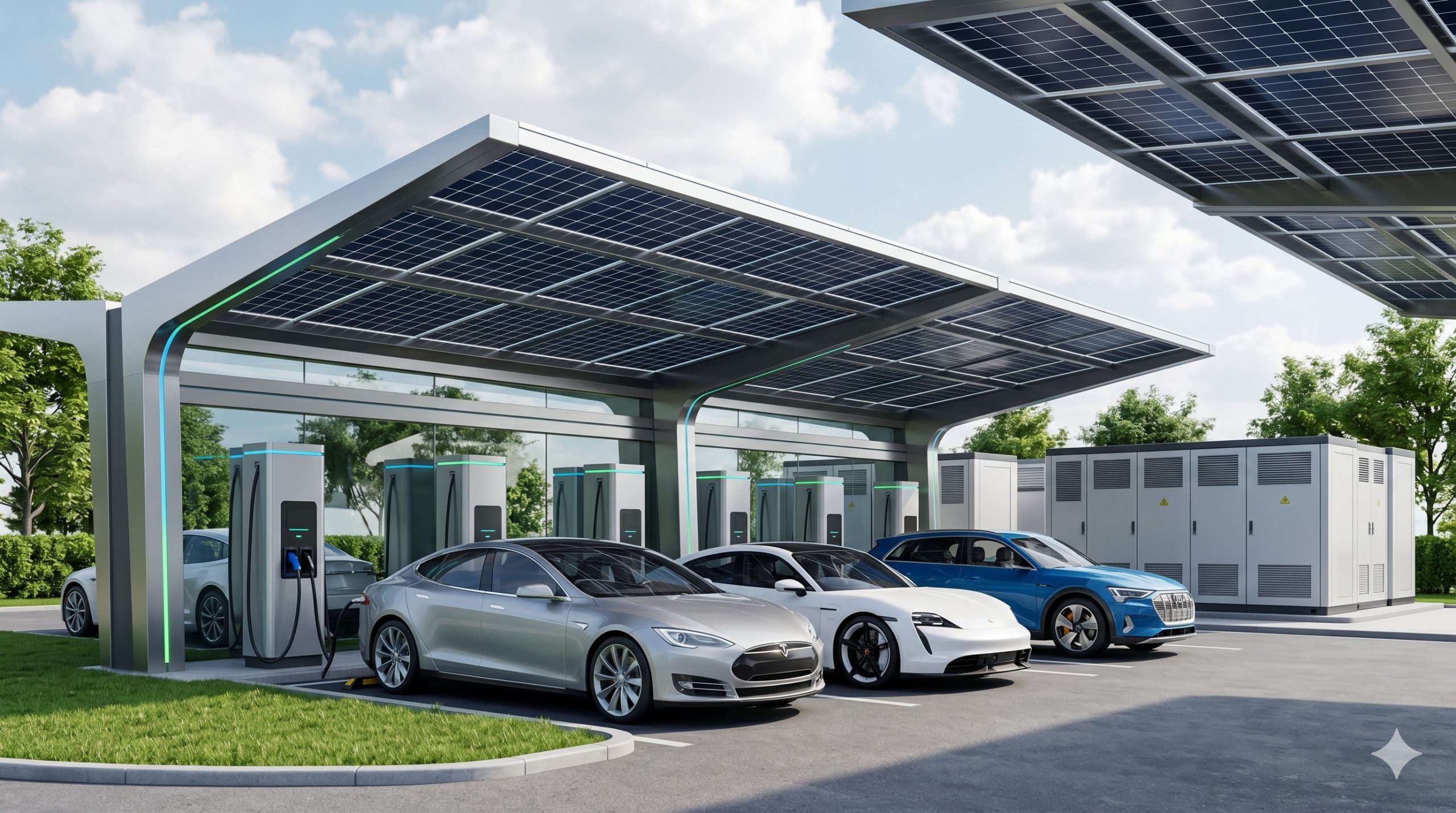
- EV Supercharging Hubs (PV-Storage-Charging): A 2 MWh LFP system paired with a 1 MWp solar canopy and 10 x 150 kW DC fast chargers reduces grid connection capacity by 60% while enabling 100% renewable charging. The BMS must handle rapid, high-C rate (1.5C to 2C) pulses for 15-30 minutes. UL 9540 certification assures local fire marshals and utilities of safe operation.
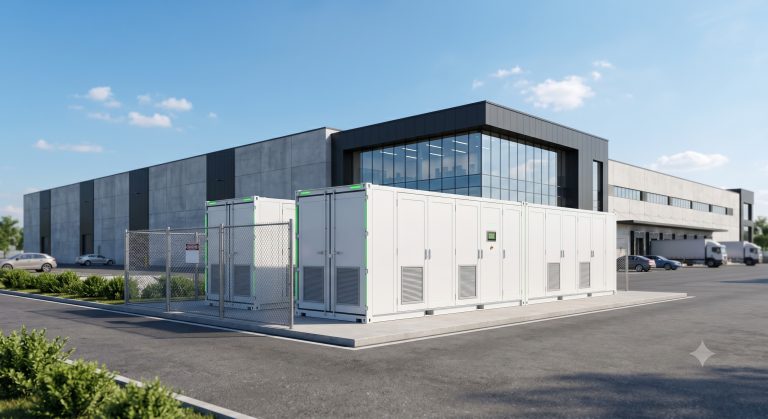
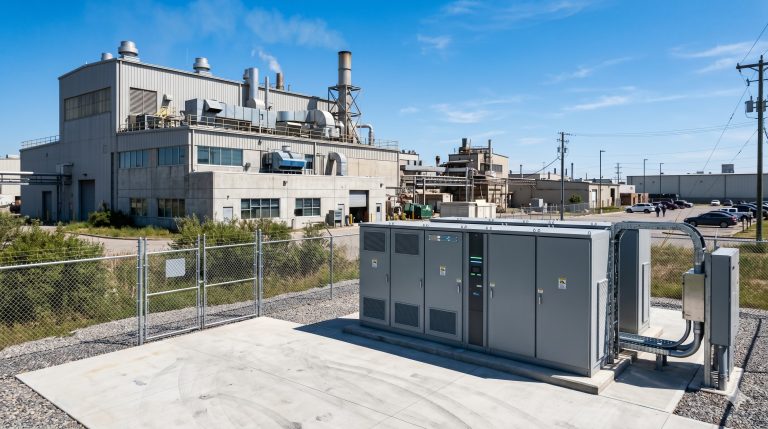
- Industrial Park Micro-grids: Integrating modular 500 kW / 1 MWh LFP cabinets behind a single transformer (e.g., 2.5 MVA) allows for peak shaving of multi-shift operations and provides islanding capability during grid faults. IEC 62619 ensures safety in high-ambient-temperature environments (e.g., foundries, chemical plants).
- Data Center UPS Replacement: Replacing lead-acid or NMC UPS with LFP reduces footprint by 70% and eliminates forced cooling requirements (operational range -20°C to +55°C). UN38.3 certified modules simplify logistics for multi-site rollouts.
Conclusion: Certification as the Ultimate Bankability Tool
The era of trusting raw cell chemistry for safety is over. For B2B project developers, asset owners, and engineering firms, the Lithium Iron Phosphate (LFP) system must be paired with audited, system-level certifications: UL 9540 for North American projects (essential for insurance and interconnection), IEC 62619 for global industrial applications, and CE for European market access. These standards ensure that the BMS, PCS, thermal management, and enclosure operate as a single, fail-safe unit. By specifying only fully certified LFP systems with transparent degradation models, liquid cooling, and >8000-cycle life, you de-risk your investment, accelerate permitting, and capture maximum value from peak shaving, demand response, and grid support services. Prioritize compliance; the chemistry will deliver the rest.