Overview
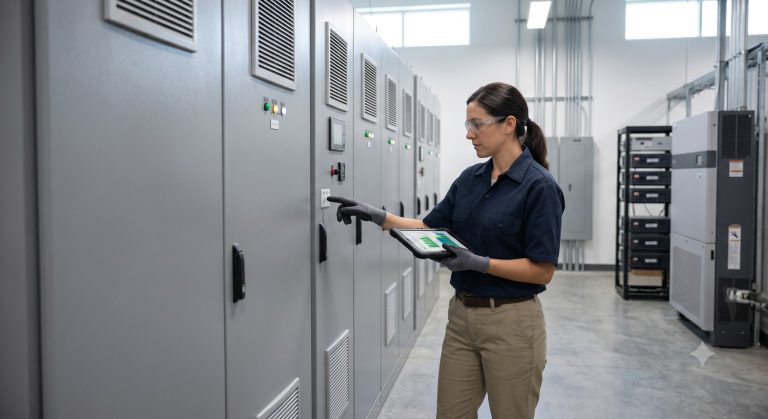
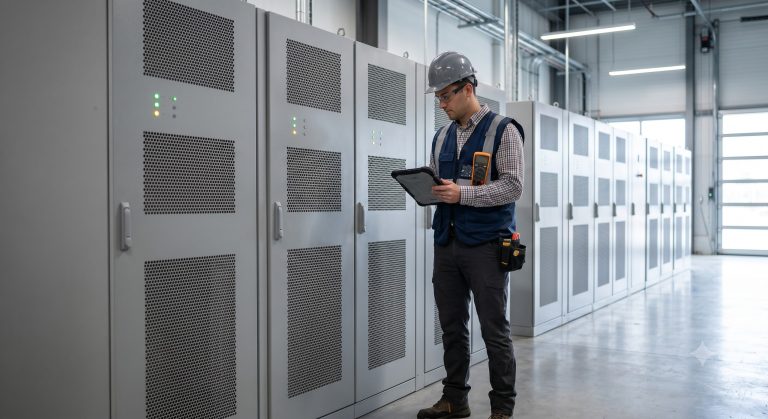
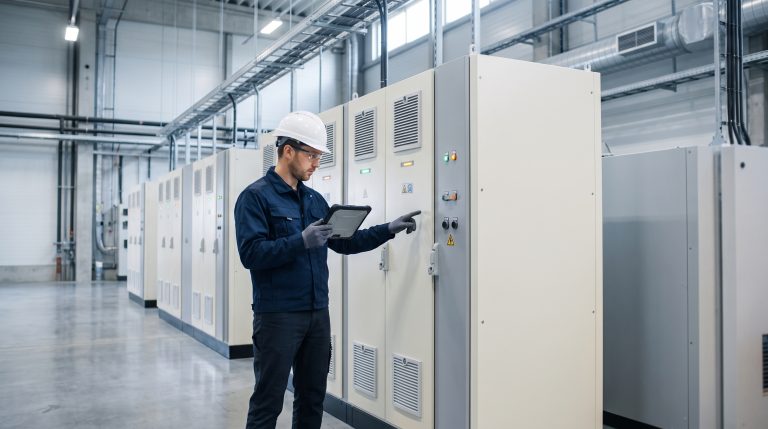
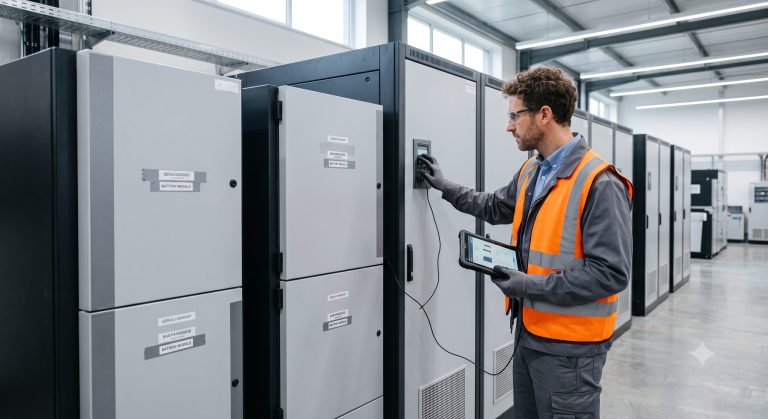
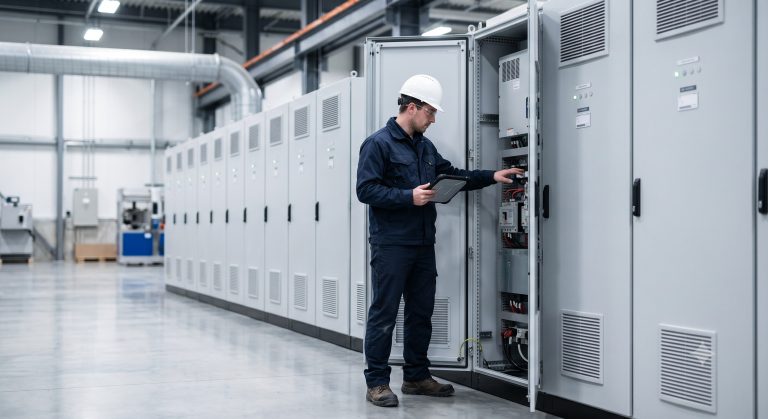
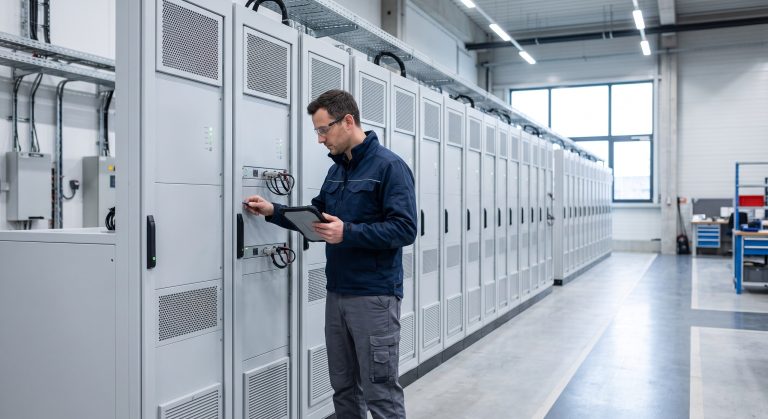
As B2B energy storage deployments scale, safety and thermal management become the #1 technical priority. The EMS3000CP industrial BESS integrates advanced liquid cooling, multi-stage fire suppression, and predictive BMS monitoring to prevent thermal runaway. Below are expert answers to the most critical safety, integration, and lifecycle questions from plant engineers and procurement teams.
Frequently Asked Questions
- Q1: What is the standard cycle life and maximum DoD of EMS3000CP with LFP chemistry?
- The EMS3000CP delivers 8,000 cycles at 90% DoD (Depth of Discharge) under 25°C ambient using Tier-1 LFP cells. This represents a 30% improvement over air-cooled systems. Cycle life extends to 10,000 cycles at 80% DoD. Degradation is limited to 70% SOH (State of Health) after 8,000 cycles due to proprietary cell-balancing algorithms and liquid cooling maintaining cell temperature within ±2°C.
- Q2: How does the liquid cooling system prevent thermal runaway in EMS3000CP?
- Thermal runaway prevention begins with active liquid cooling maintaining cell delta-T below 3°C, eliminating hotspots that trigger exothermic reactions. The system uses a dual-circuit coolant loop with leak detection and automatic pump redundancy. If any cell exceeds 55°C, the BMS reduces charge/discharge current by 50%; at 65°C, it initiates a controlled shutdown and triggers the first-stage fire suppression aerosol release before thermal runaway can propagate.
- Q3: What fire safety certifications and suppression systems are integrated?
- The EMS3000CP holds UL 9540A (cell-level thermal runaway propagation test), UL 1973, and IEC 62619 certifications. Fire safety includes three independent layers: (1) early gas detection (CO, H2, VOC) with cabinet exhaust fans, (2) aerosol-based suppression at module level that activates at 75°C without damaging electronics, and (3) a last-resort clean agent (Novec 1230 or FM-200) for cabinet-wide flooding, with remote alarm notification via dry contacts or Modbus TCP to facility BMS.
- Q4: Can EMS3000CP scale from 200 kWh to 10+ MWh using parallel cabinets?
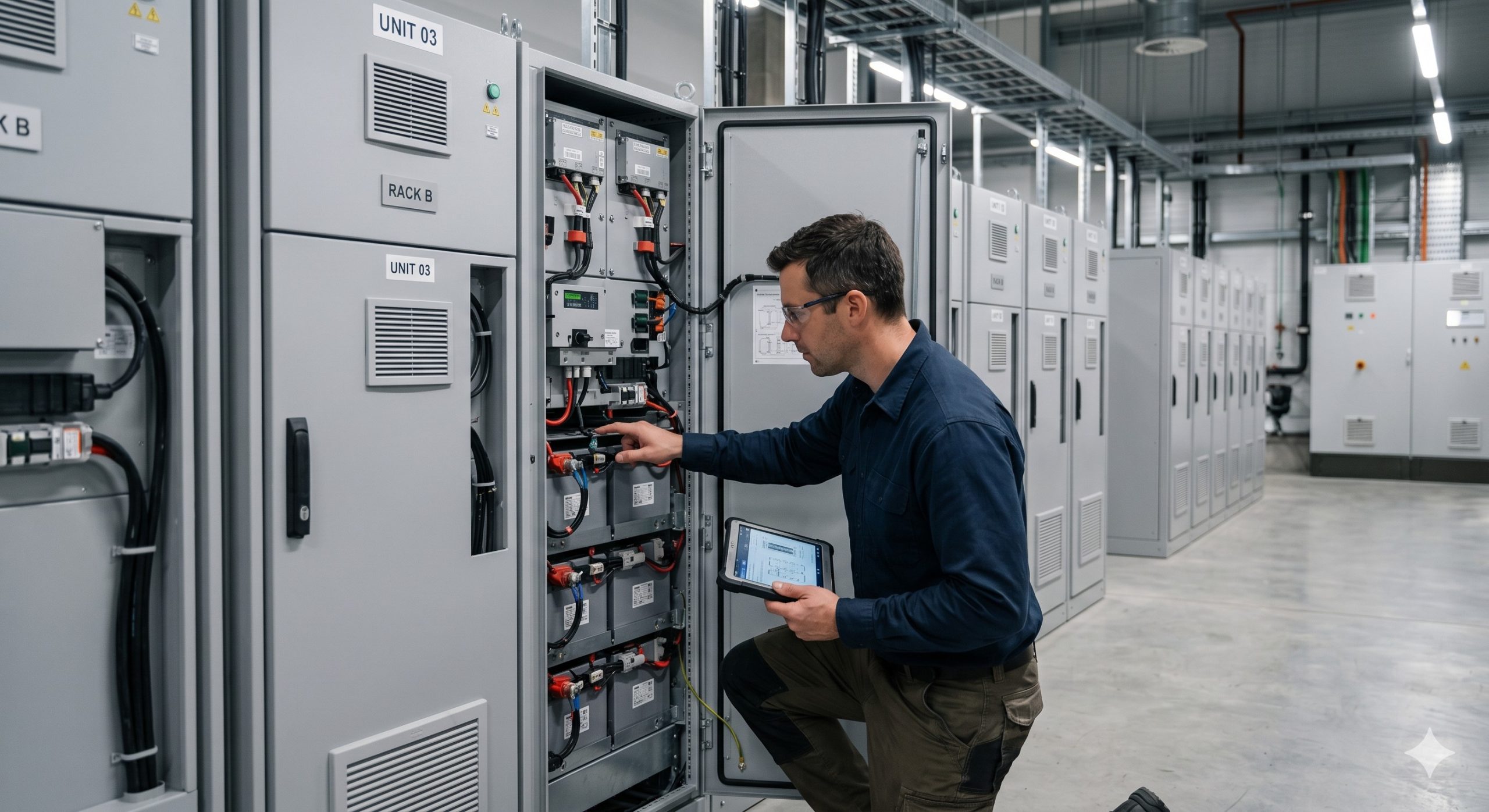
- Yes, the EMS3000CP uses a modular parallel architecture. Each base cabinet contains 215 kWh (LFP) or 230 kWh (LFP high-energy). Scale by connecting up to 48 cabinets via a common DC busbar using pre-wired 630A copper links. The central EMS automatically synchronizes state-of-charge across all cabinets. For 10+ MWh, add a master controller cabinet and optional MV transformer skid (up to 3 MVA per cluster). No external synchronization panel required.
- Q5: What ROI and peak shaving arbitrage can I expect with EMS3000CP?
- Typical payback period is 2.5–4 years for industrial facilities with time-of-use rates ≥$0.12/kWh spread. Daily arbitrage example: charge at $0.05/kWh (6-hour night window), discharge at $0.18/kWh (4-hour peak window) = $0.13/kWh gross margin. For a 1 MWh system performing 1 full cycle/day, annual gross revenue = $47,450. After 10% O&M and 85% round-trip efficiency, net ≈ $36,300/year. Add demand charge reduction (typically $8–15/kW saved) for accelerated ROI. LCOE drops to $0.06–0.09/kWh over 12-year warranted life.
- Q6: How does the BMS monitor inter-cell balancing and predict failures?
- The active BMS scans each of the 432 cells per cabinet every 200ms. Passive balancing shunts up to 500mA from high-voltage cells to low-voltage cells. For serious imbalances (>50mV), active balancing redistributes energy via flying capacitors. Predictive analytics track internal resistance trends and voltage divergence; when a cell shows 20% resistance increase over 30 days, the system flags it for replacement before failure. Balancing completes within 4–6 weeks for a new string.
- Q7: What configurations support grid-tie vs. off-grid islanding with EMS3000CP?
- The PCS (bi-directional, 500 kW to 2 MW per unit) supports three modes: (1) Grid-tie peak shaving – UL 1741 SA certified for Rule 21 grid support, with seamless import/export based on SOC setpoints; (2) Off-grid islanding – automatic transfer within 40ms using a grid-forming inverter with virtual synchronous generator control; (3) Hybrid – remains grid-connected but disconnects during outages via external ATS. For true off-grid, require external diesel genset or PV array sized 1.5x load; the EMS will manage black start from batteries if SOC >15%.
- Q8: What post-sales O&M coverage and warranty terms apply to EMS3000CP?
- Standard warranty: 12 years or 8,000 cycles (whichever first), covering 70% SOH retention, parts, and remote technical support. O&M packages: Basic (remote monitoring + annual capacity test) at 2.5% of CAPEX/year; Premium (4 onsite visits/year, 24hr response SLA for thermal faults, free firmware upgrades) at 4.5%. Global spare parts dispatched from regional hubs (NA, EU, SEA) within 72 hours for any active fire suppression or coolant pump failure.