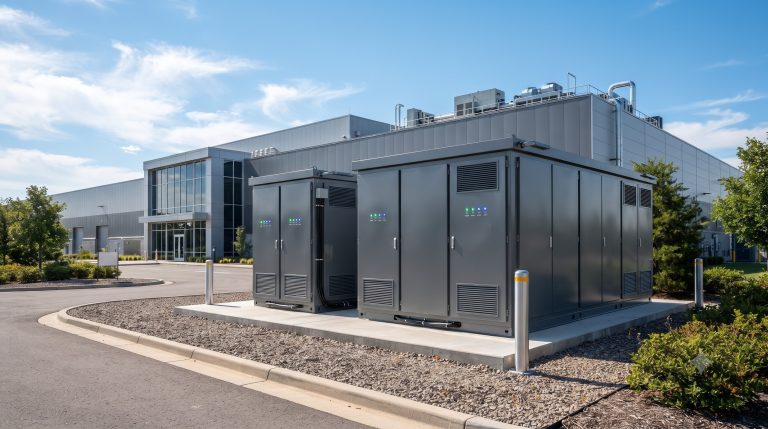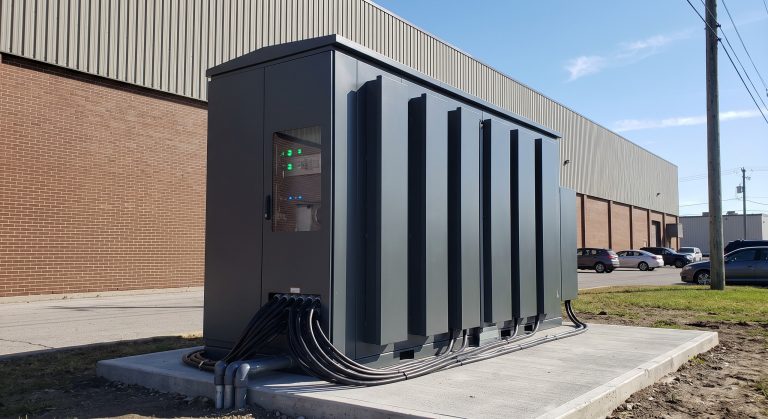
Introduction: The Thermal Challenge in High-Power C&I Storage
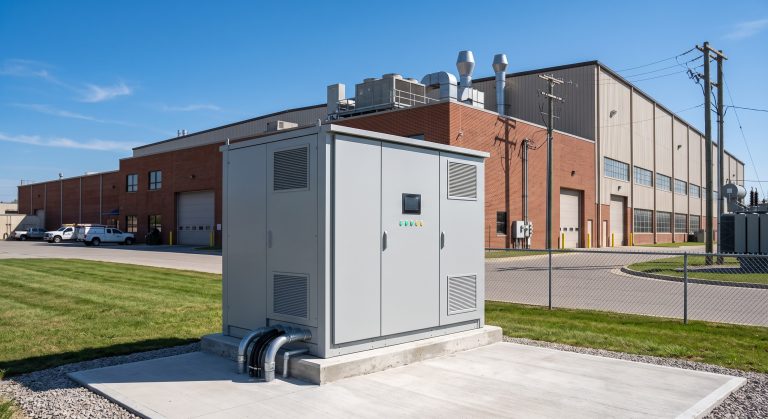
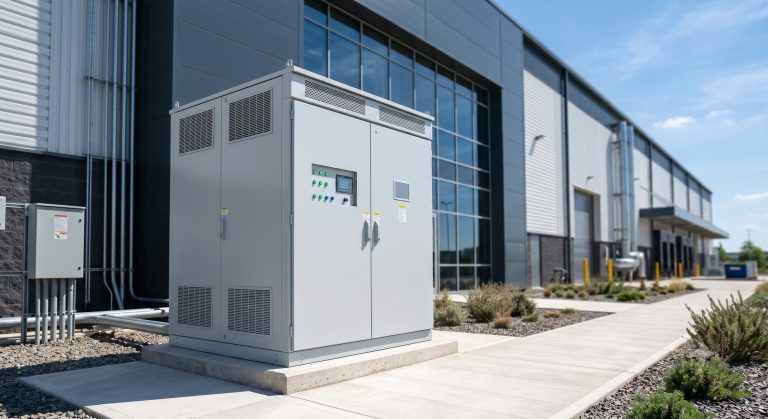
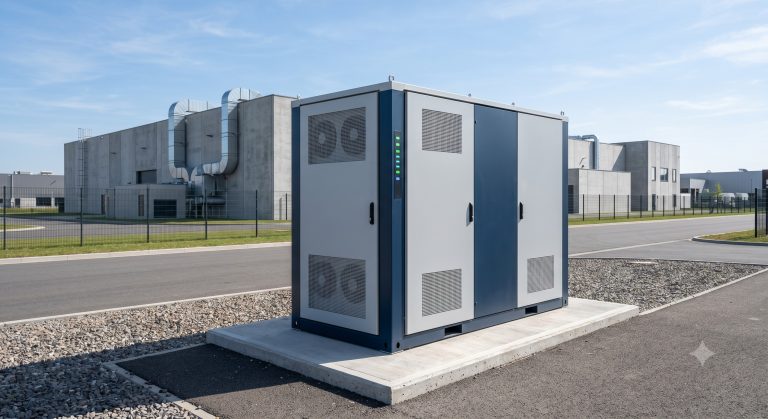
As commercial and industrial (C&I) facilities accelerate their energy transition, the demand for high-density storage solutions like the 480kW power cabinet has surged. However, with high power output (480kW nominal AC) and capacities frequently exceeding 1MWh per unit, thermal runaway remains the single greatest operational risk. A single cell exceeding 60°C can trigger a cascading exothermic reaction. This technical guide dissects the multi-layer safety architecture of modern 480kW power cabinet systems, focusing on active cell balancing, liquid cooling thermal management, and NFPA 69-compliant suppression. We reference stringent global standards including UL 9540A (thermal runaway propagation), IEC 62619 (industrial safety), and UN38.3 (transportation).
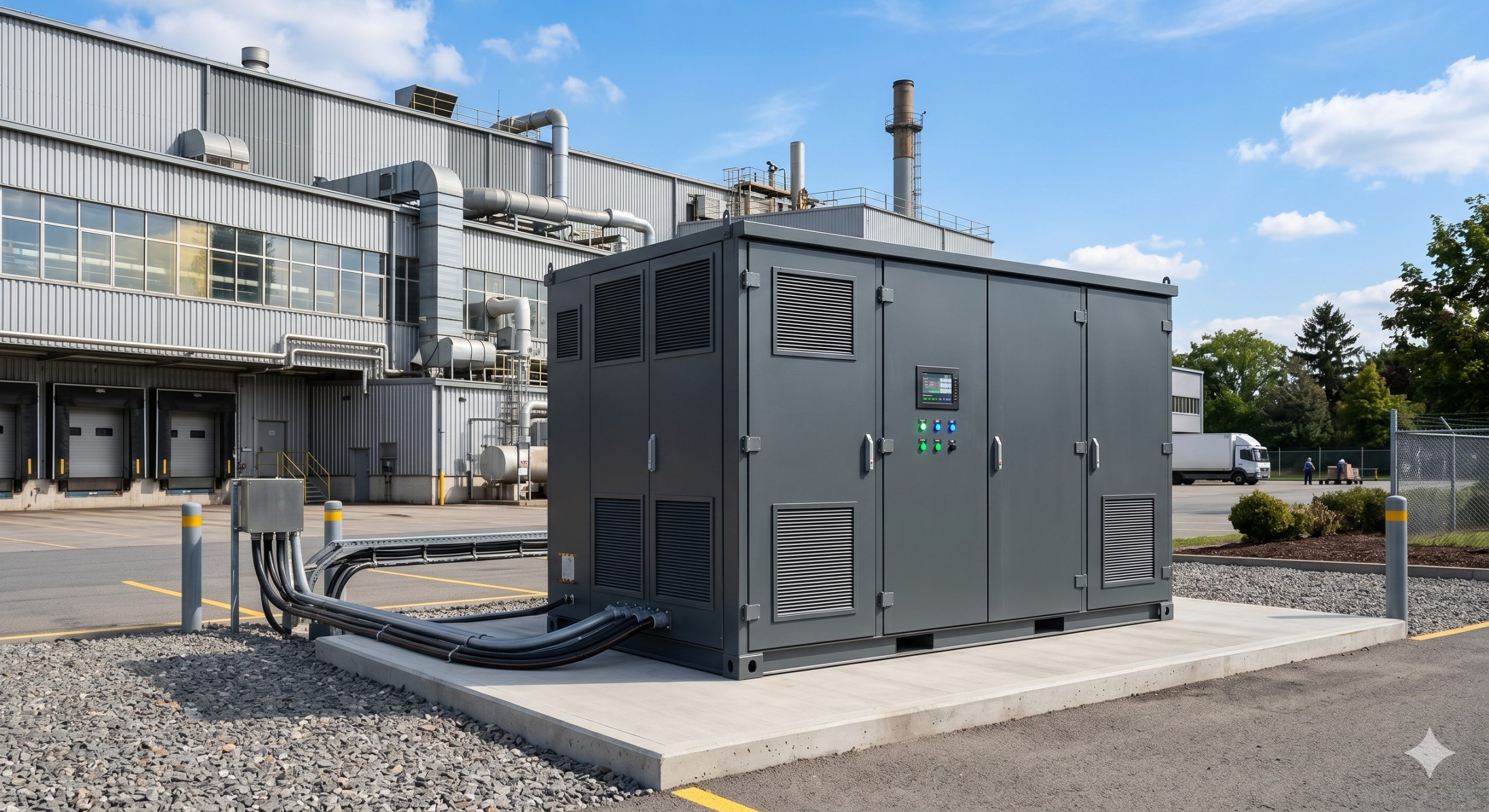
Core Safety Architecture: BMS, Cell Chemistry & Liquid Cooling Synergy
1. Tier-1 LFP Cell Metrics & Thermal Stability
The foundation of any safe 480kW power cabinet is its cell chemistry. Tier-1 prismatic LFP (Lithium Iron Phosphate) cells offer an oxygen-containing phosphate backbone that does not release oxygen at high temperatures, unlike NMC chemistry. Key metrics include a thermal runaway onset temperature >250°C (vs. ~150°C for NMC) and a nickel-cobalt-free composition that eliminates cobalt-induced exothermic spikes. Reputable cabinets utilize automotive-grade cells with a cycle life exceeding 8,000 cycles at 90% Depth of Discharge (DoD) and a round-trip efficiency (RTE) of 94-96% at 0.5C rate.
2. Active Liquid Cooling vs. Air Cooling: Thermal Regulation Metrics
Air-cooled 480kW cabinets struggle to maintain cell temperature differential below 5°C under full load, leading to accelerated aging. Advanced liquid cooling plates achieve cell-to-cell ΔT < 2°C, maintaining optimal operating range of 15-35°C. This directly prevents hot-spot formation – the primary precursor to thermal runaway. The integrated chiller unit with glycol-water circulation removes 15-20kW of heat per cabinet, ensuring the 480kW power cabinet operates at maximum continuous power without degrading cycle life. Data shows liquid cooling reduces degradation rate by 40% compared to forced air.
3. Multi-Level Battery Management System (BMS) with Predictive Analytics
A 3-tier BMS (cell/module/rack) continuously monitors voltage, current, and impedance. Key safety functions include: passive cell balancing (bleeding excess voltage from high-SoC cells), overcurrent protection with 1ms disconnect, and insulation monitoring (detecting leakage >1MΩ). Advanced units feature predictive algorithms that analyze internal resistance trends to flag cells approaching end-of-life, enabling proactive replacement before thermal events occur.
Technical Specifications: 480kW Power Cabinet Safety & Performance Matrix
Below are the certified metrics for a UL9540-compliant, IEC 62619-tested 480kW power cabinet using Tier-1 LFP cells and liquid cooling.
| Key Parameter | Technical Specification |
|---|---|
| Battery Chemistry | Tier-1 LFP (Lithium Iron Phosphate) |
| Nominal AC Power | 480kW (continuous, 0.5C) |
| Usable Energy Capacity | 960kWh – 1,344kWh (scalable) |
| Cycle Life (@ 90% DoD) | ≥8,000 cycles to 70% SOH |
| Round-Trip Efficiency | 94.5% (0.5C, 25°C) |
| Cooling Method | Active liquid cooling (glycol-water) |
| Operating Temp. Range | -20°C to 50°C (derated >45°C) |
| Cell ΔT (Max differential) | ≤2°C under full load |
| Safety Certifications | UL 9540A (propagation tested), IEC 62619, UN38.3 |
| Fire Suppression | Perfluorohexanone / Aerosol + water mist backup |
Fire Suppression & Passive Protection Systems
Aerosol & Gas-Based Active Suppression
Beyond BMS, the cabinet integrates a dual-stage fire suppression system. Stage 1 uses perfluorohexanone (Novec 1230 or 3M™ Novec™ 5110) or aerosol-generating solid compounds that activate at 80°C, rapidly reducing temperature and interrupting the chain reaction without damaging electronics. Stage 2 is a water mist backup for catastrophic events. Suppression agent concentration is calculated to achieve 5% volume within 10 seconds.
Passive Propagation Prevention: UL 9540A Compliance
Certified cabinets pass UL 9540A (large-scale fire test) by including: (a) mineral wool insulation (>1200°C rating) between cell modules, (b) pressure relief vents with burst discs directing hot gases downward/away from adjacent cabinets, and (c) flame-retardant cables (VW-1 rated). These ensure that even if one module fails, neighboring modules do not reach critical temperature for >2 hours, providing safe egress and emergency response window.
Deployment Scenarios & Compliance Audits
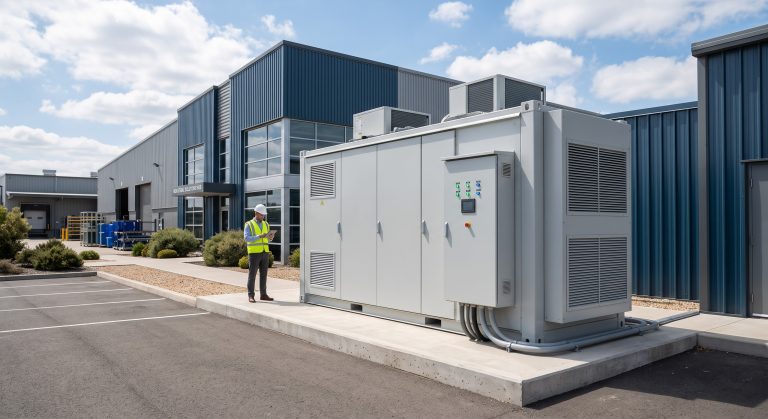
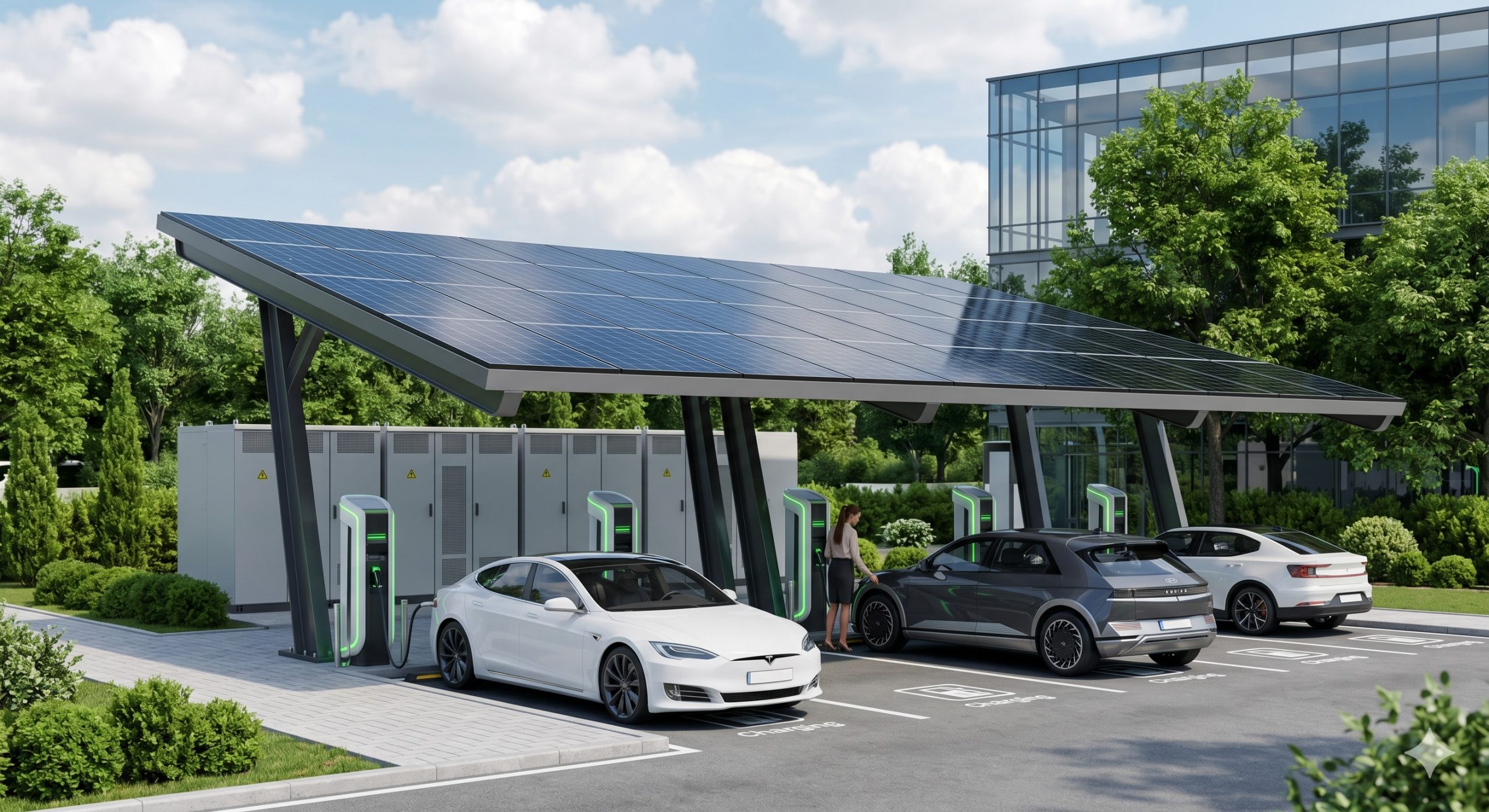
For safe deployment, a FAT (Factory Acceptance Test) and SAT (Site Acceptance Test) must include: Hi-Pot insulation test (3,000VDC for 1 minute), ground continuity (<0.1Ω), and thermal imaging under full load to verify cooling system functionality. Typical applications include: (1) Industrial parks near residential zones requiring UL9540 listing; (2) Data centers where liquid cooling waste heat can be captured; (3) EV supercharging hubs where high C-rate discharge (2C peak) demands rigorous BMS protection. Always verify UN38.3 transport certification and IEC 62619 for cell-level safety.
Conclusion: Safety as a Prerequisite, Not an Option
The 480kW power cabinet is a high-performance asset, but its commercial viability depends entirely on thermal stability. Specifiers must prioritize UL 9540A-tested designs with active liquid cooling, 3-tier BMS, and dual-stage fire suppression. Avoid air-cooled, non-certified units that trade safety for upfront cost – the risk of thermal runaway, insurance denial, and facility shutdown far outweighs any marginal savings. When procuring, demand test reports for cycle life at 45°C ambient, cell-level temperature delta, and suppression agent discharge validation.