Introduction: The 720kW Power Cabinet as a C&I Energy Cornerstone
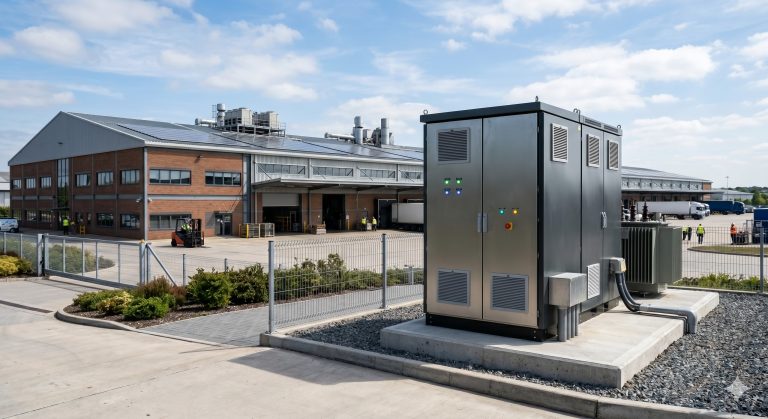
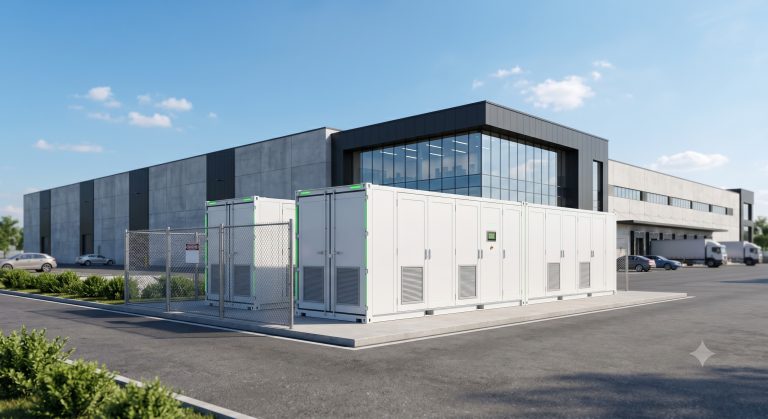
As global electricity prices for Commercial & Industrial (C&I) facilities continue to exhibit extreme volatility, the demand for high-power, modular 720kW Power Cabinet solutions has surged. Unlike smaller, containerized BESS units, a true 720kW power cabinet integrates advanced bi-directional PCS (Power Conversion System), Tier-1 LFP battery cells, and liquid cooling into a single, high-density outdoor enclosure. This guide provides an objective, data-driven analysis of the architecture, Levelized Cost of Storage (LCOE), and grid-support capabilities required for serious B2B procurement.
Core Architecture: Bi-Directional PCS & Liquid Cooling Integration
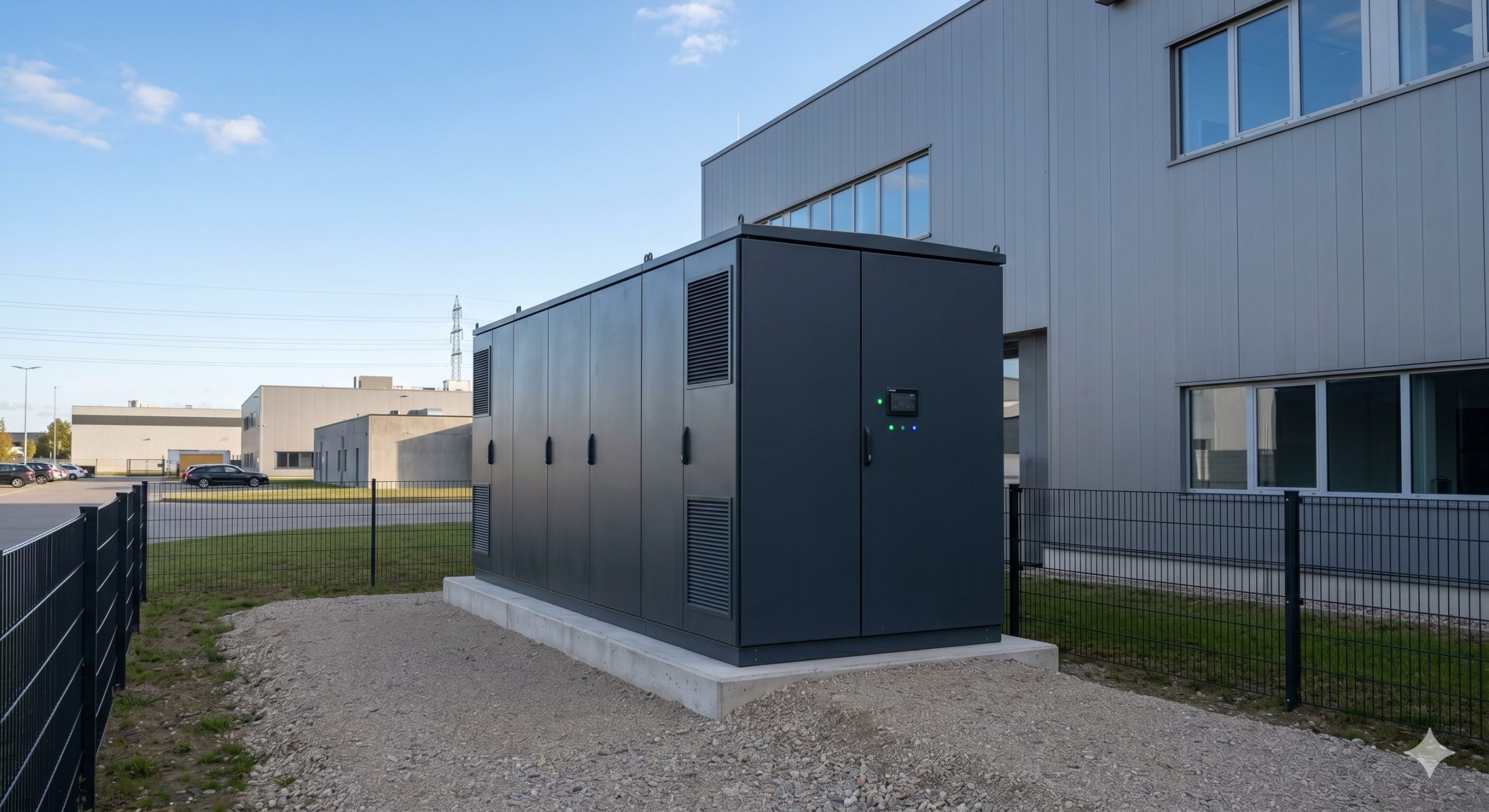
The engineering superiority of a modern 720kW power cabinet lies in its centralized yet modular topology. It typically features a dual-channel 500-1500V DC busbar connected to a 720kW SiC-based PCS, achieving peak efficiency of 98.5%. Unlike distributed string inverters, this architecture simplifies Demand Response (DR) dispatch. The PCS supports both grid-tied and off-grid seamless transition (<20ms), critical for micro-grid stability.
Liquid Cooling vs. Air Cooling in High-Power ESS
To handle 720kW of continuous throughput, thermal management is paramount. Advanced cabinets deploy liquid cooling (coolant: 40%% water/60%% glycol), maintaining cell temperature differentials within ±2°C. This directly enhances cycle life and reduces de-rating. In contrast, forced air cooling becomes inefficient above 500kW, leading to hotspots and accelerated calendar aging. Data shows liquid-cooled 720kW cabinets achieve a Round-trip Efficiency (RTE) of 91-93% vs. 86-88% for air-cooled equivalents at full load.
Technical Specifications & Compliance Standards
Professional sourcing requires verification against international safety and performance benchmarks. The following table outlines core metrics for a bankable 720kW power cabinet system (typical 2-hour discharge configuration, i.e., 1440kWh capacity). All components should be compliant with IEC 62619 (industrial battery safety), UL 9540 (system-level listing), and UN38.3 (transportation). Third-party field reports confirm >8000 cycle life at 90% Depth of Discharge (DoD) and a projected 15-year service life.
| Key Parameter | Technical Specification |
|---|---|
| System Capacity (Usable) | 1440 kWh (2-hour rate) / 720kW output |
| Battery Chemistry | Tier-1 LFP (Lithium Iron Phosphate), prismatic cells |
| Cycle Life | >8000 cycles @ 90% DoD, EOL 70% SOH |
| Round-trip Efficiency | 92% (DC/AC, liquid cooling active) |
| Thermal Management | Liquid cooling (coolant: glycol/water), inlet/outlet ±1°C |
| PCS Topology | Bi-directional SiC, 1500Vdc / 690Vac, N+1 redundancy |
| Communication | IEC 61850, Modbus TCP, CAN 2.0, 4G/5G for VPP |
| Safety Compliance | IEC 62619, UL 9540, CE, UN38.3, VDE-AR-N 4105 |
| Dimensions (HxWxD) | ~2200 x 2400 x 1300 mm (per 720kW block) |
| IP Rating | IP55 (outdoor rated), C5 anti-corrosion |
Commercial ROI: Peak Shaving & LCOE Analysis
For an industrial park with a demand charge of $18/kW, a 720kW power cabinet can reduce peak demand by up to 95%, generating monthly savings exceeding $12,000. When combined with solar PV and time-of-use (TOU) arbitrage, the payback period typically ranges from 3.5 to 5.5 years. The LCOE of a liquid-cooled 720kW system is now $0.07-0.12/kWh, undercutting many commercial grid tariffs. Furthermore, participation in frequency regulation (FR) markets via the cabinet’s Smart EMS (Energy Management System) can add $20-40/kW-year in ancillary service revenue.
Deployment Scenarios: EV Supercharging & Industrial Micro-Grids
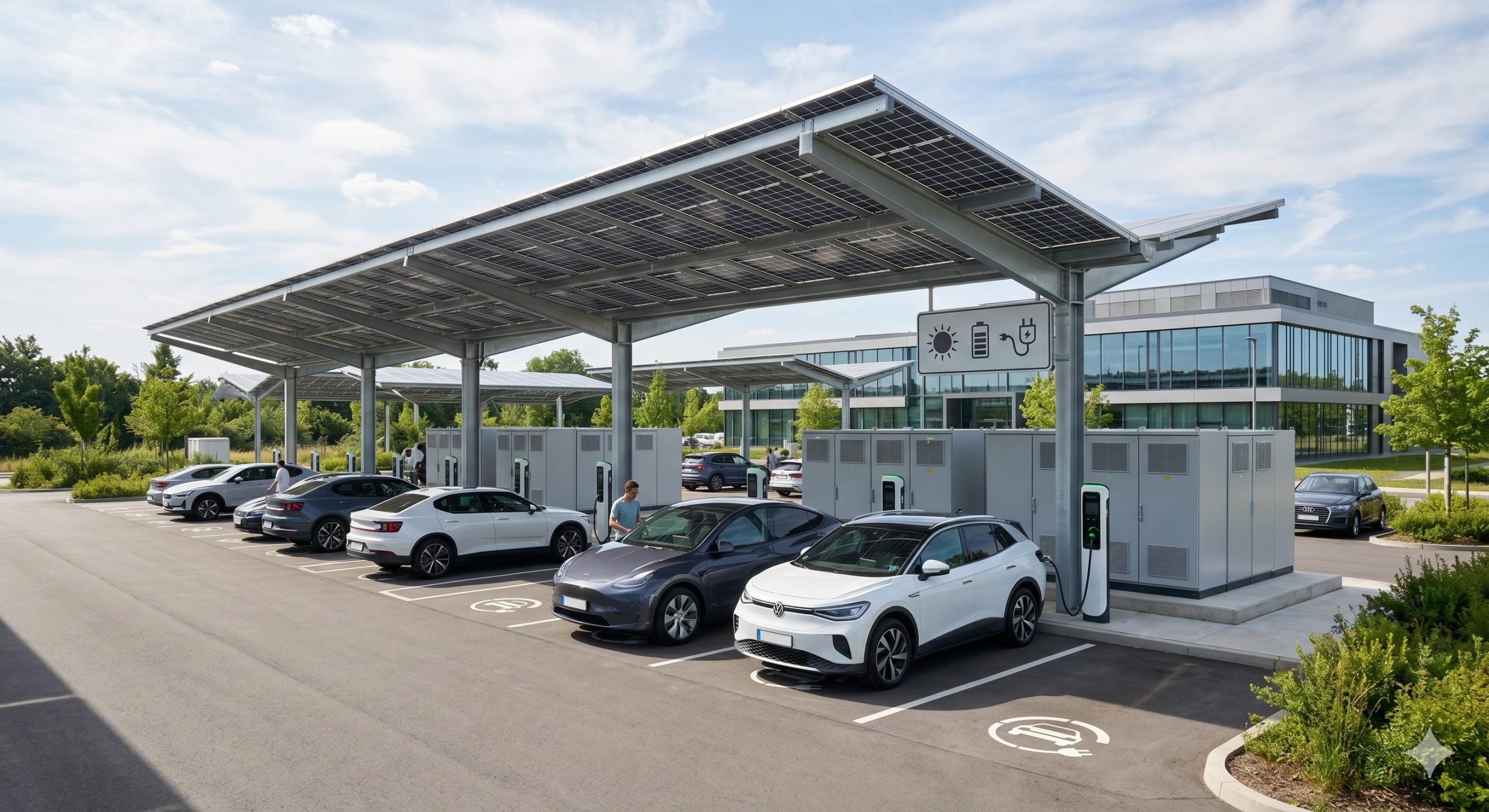
The 720kW power cabinet serves as the ideal buffer for PV-Storage-Charging synergy. At a high-traffic EV supercharging station, the cabinet absorbs solar over-generation during midday and discharges at 720kW to support simultaneous 350kW ultra-fast chargers, avoiding grid upgrade costs. In factory micro-grids, multiple cabinets can be paralleled via a master EMS controller to form MWh-scale virtual power plants (VPP), providing black-start capability and islanding for critical loads.
Conclusion: Strategic Procurement for Energy Resilience
The 720kW Power Cabinet represents a mature, bankable asset for C&I energy transition. Key takeaways for procurement officers include: mandate liquid cooling for high-cycle applications, require UL 9540A thermal runaway propagation test reports, and prioritize suppliers offering 10-year performance warranties (EOL 70%% SOH). As grid-edge technologies evolve, these cabinets form the backbone of a decarbonized, profitable industrial energy strategy. Contact vetted OEMs for factory acceptance tests (FAT) and site-specific LCOE modeling.