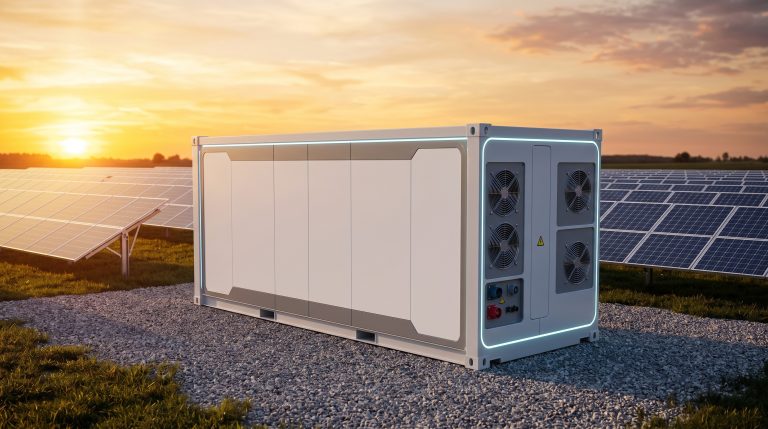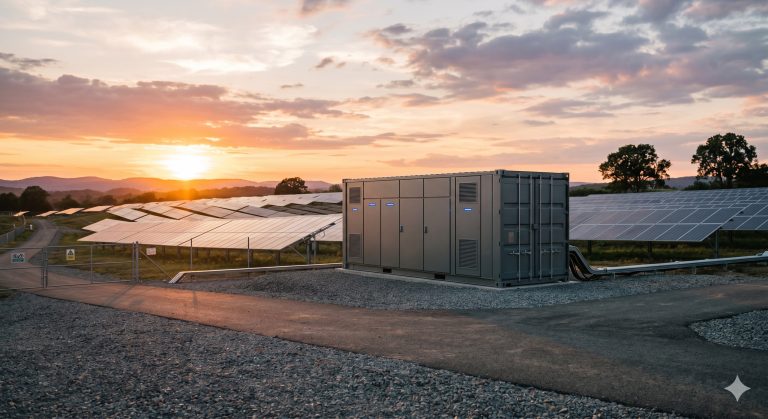
UL 9540 & IEC 62619 TECHNICAL COMPLIANCE REGISTER: BATTERY MODULE DUST AND WATERPROOF INSPECTION REPORT
EXECUTIVE SUMMARY
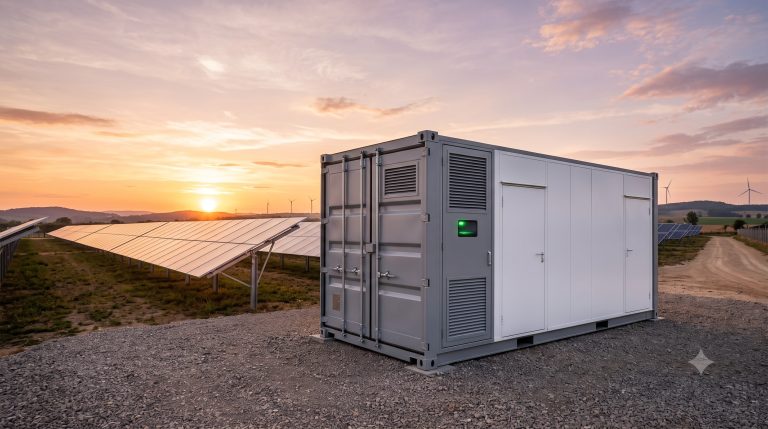
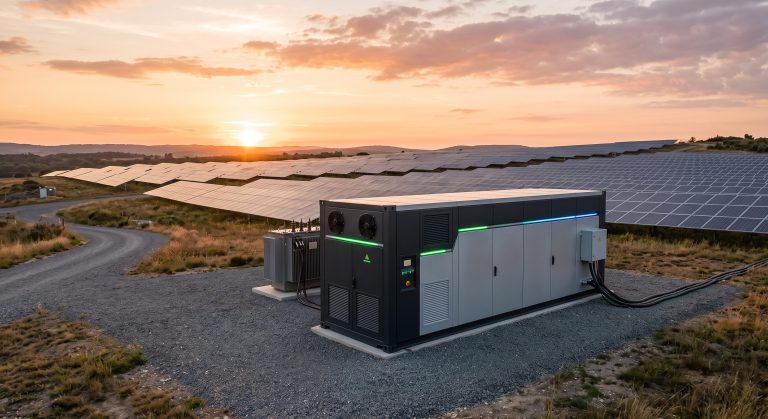
This document serves as the official Technical Compliance Register and Product Overview for the Battery Module Dust and Waterproof Inspection Protocol, as implemented across our Tier-1 commercial and industrial (C&I) energy storage systems (ESS). As a foundational element of our commitment to operational safety, asset longevity, and unwavering regulatory adherence, this report details the rigorous ingress protection (IP) testing regime, pass/fail criteria, and structural design features that ensure each battery module operates reliably in diverse and demanding outdoor environments.
The comprehensive inspection process, governed by the IEC 60529 standard, validates the module’s sealing effectiveness against solid particles (dust) and liquids (water). Successful completion of this protocol is a mandatory prerequisite for attaining critical system-level certifications, including UL 9540 and IEC 62619. This document provides system integrators, project developers, and facility operators with the authoritative data required to verify the environmental resilience of our energy storage hardware, ensuring a secure and durable asset over its 15+ year design life.
SYSTEM ARCHITECTURE & SEALING SAFETY
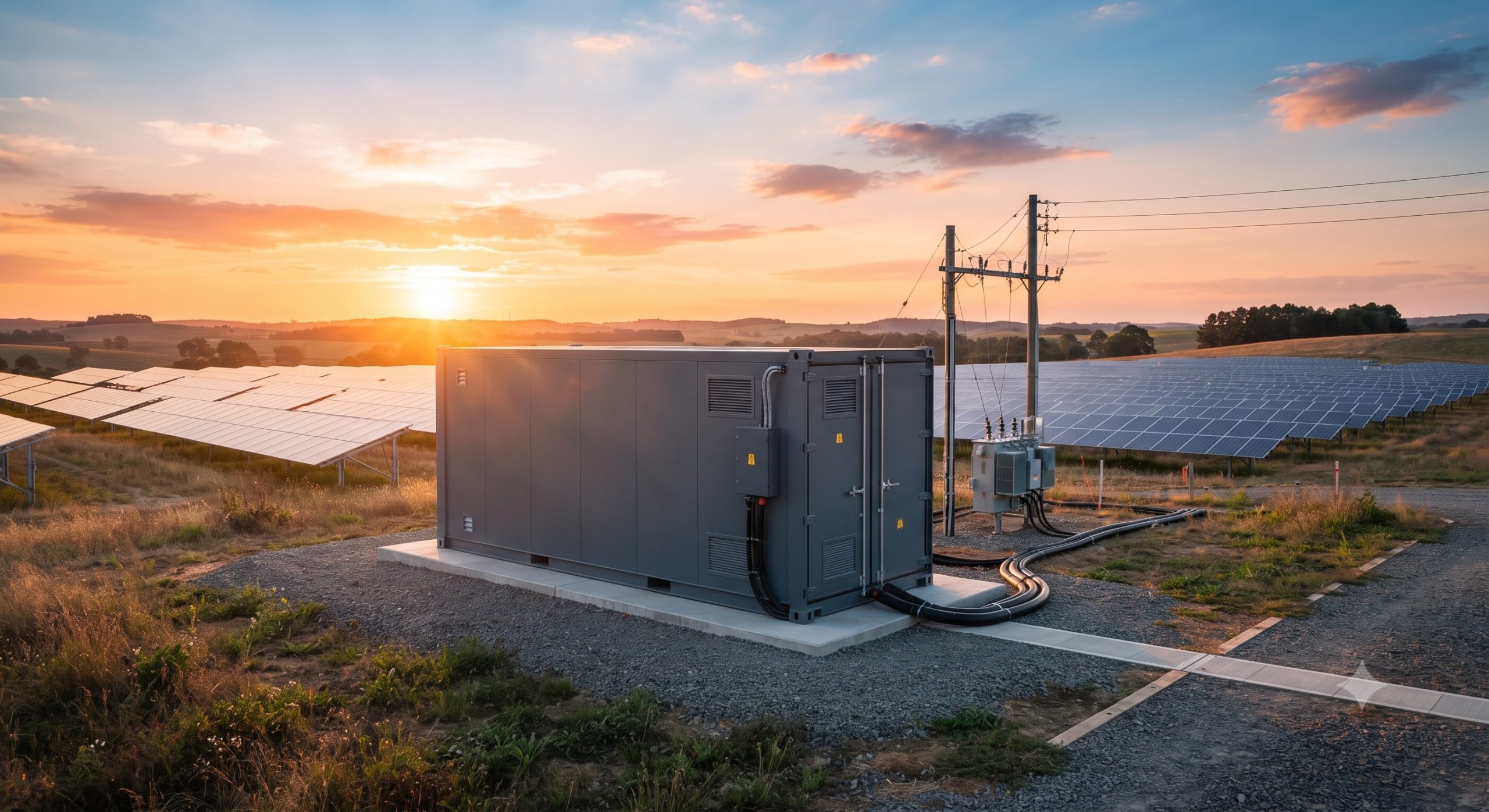
The architecture of our battery modules is engineered from the cell up to prioritize environmental protection. The chassis is constructed from high-grade, corrosion-resistant steel and features a multi-stage sealing system.
– INGRESS PROTECTION (IP) RATING: The standard module achieves an IP66 rating when properly installed within the system cabinet. This denotes complete protection against the ingress of dust (6) and protection against powerful water jets from any direction (6).
– SEALING TECHNOLOGY: The primary enclosure is sealed using a closed-cell, UV-resistant elastomeric gasket system, which is compressed within a precisely machined flange to create a permanent, watertight barrier. All cable glands and service ports utilize IP66-rated compression fittings to maintain the integrity of the seal.
– TESTING PROTOCOL (DUST): The module is subjected to a 2-hour test within a dust chamber containing a circulating, non-hazardous talc powder. A vacuum is applied to the inside of the module to simulate negative pressure, ensuring that internal components are not compromised.
– TESTING PROTOCOL (WATERPROOF): The module is subjected to a rigorous water jet test, where water is projected from a 12.5mm diameter nozzle at a pressure of 100 kPa for a duration of at least 3 minutes. The test is performed with the module’s cooling system operational to simulate real-world stress.
– CRITICAL PASS/FAIL CRITERIA: A module passes the inspection if, upon completion of the test, no visible dust or water has penetrated the enclosure and reached any live or unprotected conductive parts. The internal environment must remain dry and free of contaminants.
KEY FEATURES
– Feature 1: IP66-RATED MODULE ENCLOSURE: Guarantees uncompromised performance in dusty industrial environments, coastal areas, and regions with heavy rainfall or snow. This protects against corrosion and electrical shorts.
– Feature 2: AUTOMATED END-OF-LINE INSPECTION: Each module is individually tested on a fully automated testbed to ensure 100% consistency and traceability. Data from every inspection is logged and permanently stored for quality assurance.
– Feature 3: DUAL-COMPONENT SEALING SYSTEM: The module uses a combination of a robust gasket and an aerospace-grade sealant at critical junction points, ensuring a redundant barrier against moisture ingress even under thermal cycling.
– Feature 4: PRESSURE EQUALIZATION VALVE: A dedicated Gore-Tex valve is integrated into the module housing to equalize internal pressure without compromising the IP66 rating, preventing stress on seals and extending their operational life.
– Feature 5: COMPREHENSIVE TEST CERTIFICATION: Every module shipping from our facility is accompanied by a unique inspection report, providing verifiable proof of its environmental sealing performance.
COMPLIANCE & STANDARDS
Our Battery Module Dust and Waterproof Inspection Report is conducted in strict accordance with the following international standards, ensuring global acceptance and a clear path to project-level certifications.
– IEC 60529 (DEGREES OF PROTECTION PROVIDED BY ENCLOSURES (IP CODE)): The primary standard governing the test methodology and classification for ingress protection. Our modules are certified to IP66, confirming their suitability for demanding outdoor applications.
– UL 9540 (STANDARD FOR ENERGY STORAGE SYSTEMS AND EQUIPMENT): As a mandatory requirement for this system-level certification, the module’s IP66 rating is a crucial component in demonstrating safe electrical operation and hazard mitigation.
– IEC 62619 (SECONDARY CELLS AND BATTERIES – SAFETY REQUIREMENTS FOR INDUSTRIAL BATTERIES): This standard ensures the safe operation of our LFP cells, and the physical protection provided by the IP66-rated enclosure is a critical factor in meeting its safety directives.
– ISO 9001 & ISO 14001: Our manufacturing and inspection processes are conducted within a certified quality management and environmental management framework, ensuring consistent, high-quality output and sustainable operations.
– UL 1973 (STANDARD FOR BATTERIES FOR USE IN LIGHT ELECTRIC RAIL AND STATIONARY APPLICATIONS): The robust enclosure design and proof of sealing efficacy are fundamental to the module’s compliance with this stringent battery standard.
TECHNICAL SPECIFICATIONS
The following parameters define the Battery Module Dust and Waterproofing Profile.
– Nominal Module Capacity: 5.12 kWh / 7.68 kWh (Scalable per project requirement)
– Nominal Module Voltage: 51.2 Vdc / 76.8 Vdc
– Cell Chemistry: Tier-1 Prismatic Lithium Iron Phosphate (LFP)
– Enclosure Ingress Protection (IP) Rating: IP66 (as standard, IP67 optional for extreme environments)
– Cooling Method: Integrated liquid cooling plate and passive airflow, ensuring optimal thermal management while maintaining enclosure integrity.
– Mechanical Enclosure Material: Corrosion-resistant, hot-dip galvanized steel (SGCC) with a UV-stable powder coating.
– Seal Material: High-performance silicone elastomer, resistant to ozone, UV, and a wide temperature range (-40°C to +85°C).
– Operating Temperature Range (Ambient): -20°C to +55°C (with derating above 45°C)
– Relative Humidity (Operation): 0% to 95% (non-condensing)
– Altitude (Operation): Up to 2,000 m (without derating)
– Wiring Termination: IP66-rated compression cable glands, specified for power and communication lines.
| Parameter | Specification |
|---|---|
| Ingress Protection (IP) Rating | IP66 |
| Test Standard (Primary) | IEC 60529 (Dust & Waterproof) |
| Module Enclosure Material | SGCC Steel with UV-Stable Powder Coating |
| Sealing System | Elastomeric Gasket & Aerospace-Grade Sealant |
| Testing Environment (Dust) | 2-Hour Chamber Test with Talc Powder & Internal Vacuum |
| Testing Environment (Water) | 100 kPa Water Jet from 12.5mm Nozzle for 3 Minutes |
INDUSTRIAL DEPLOYMENT & ASSET ASSURANCE
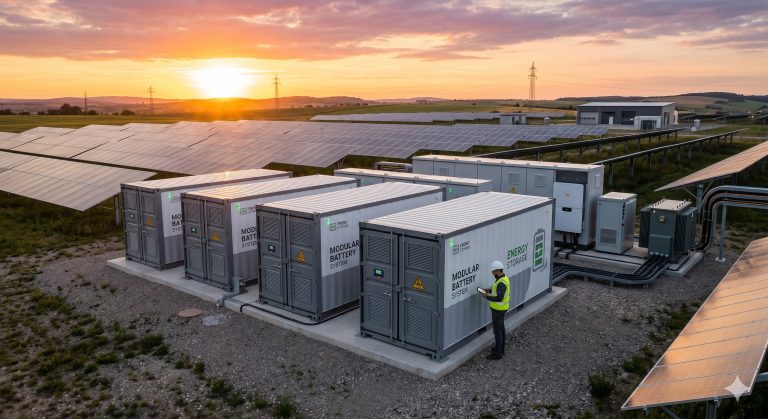
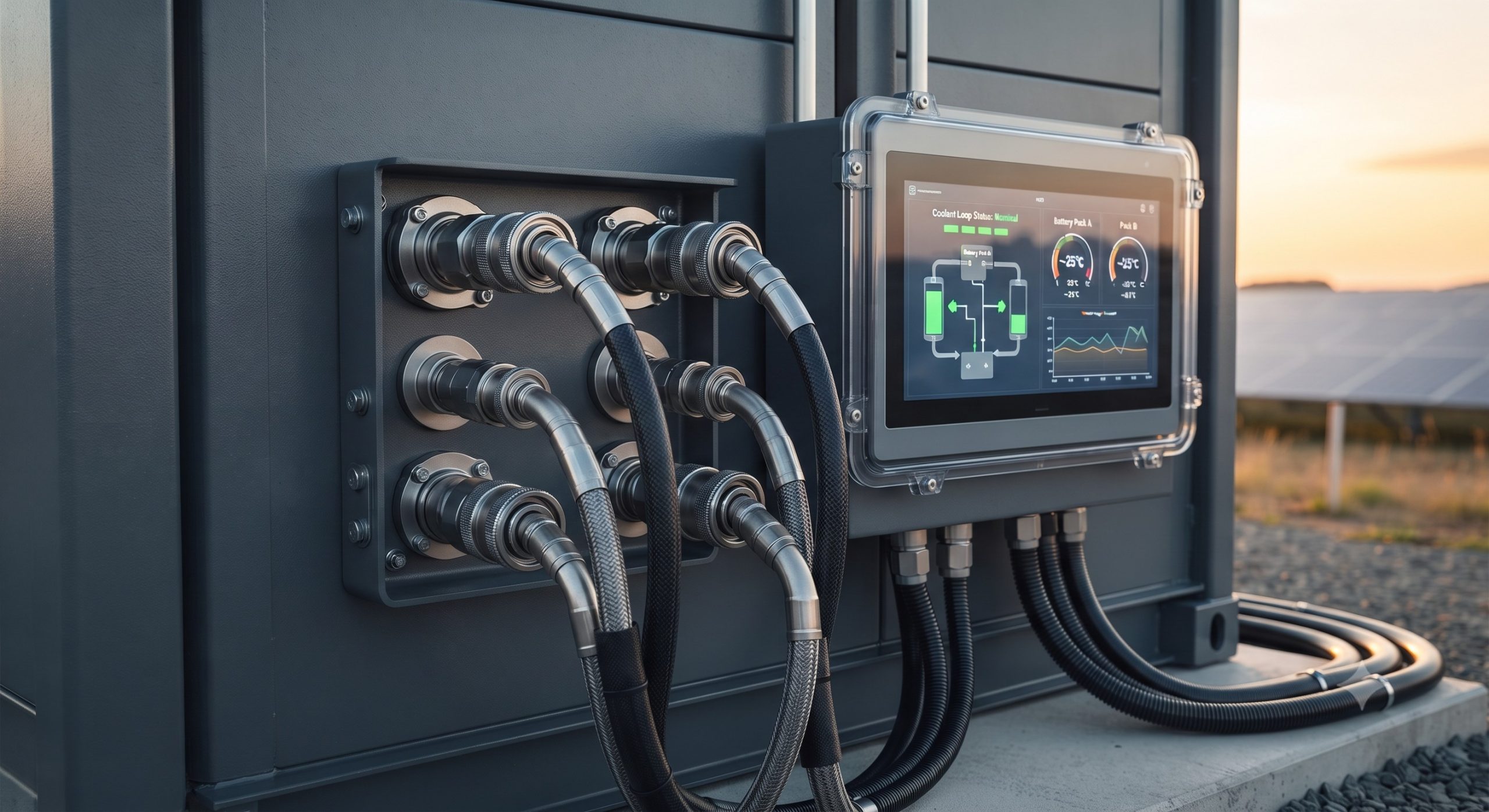
The proven environmental resilience of our battery modules, as validated by this rigorous inspection protocol, directly translates to enhanced reliability and reduced total cost of ownership (TCO) for our clients. The high IP rating minimizes risks associated with common outdoor hazards, such as wind-blown dust, pollen, and heavy downpours, significantly reducing the potential for unplanned outages and costly maintenance interventions.
This assurance enables the deployment of our storage systems in a broader range of locations, from arid desert regions to humid, tropical coastal zones, without compromising system performance or safety. The certified sealing integrity protects the delicate internal electronics, Battery Management System (BMS) boards, and the cells themselves from contamination, preserving their electrochemical performance and extending their useful life. Ultimately, the Technical Compliance Register provides project financiers and asset owners with the necessary technical diligence and documented proof to ensure their investment is secure, compliant, and capable of delivering peak performance for decades.
📥 Download Technical Specification
Click the button below to view or download the full official PDF datasheet.