Overview
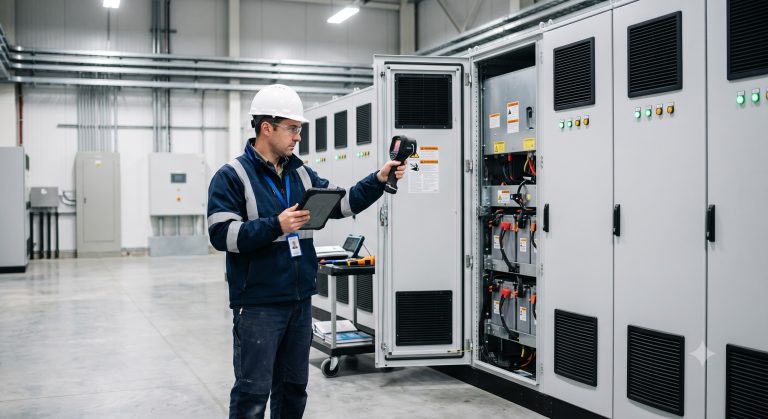
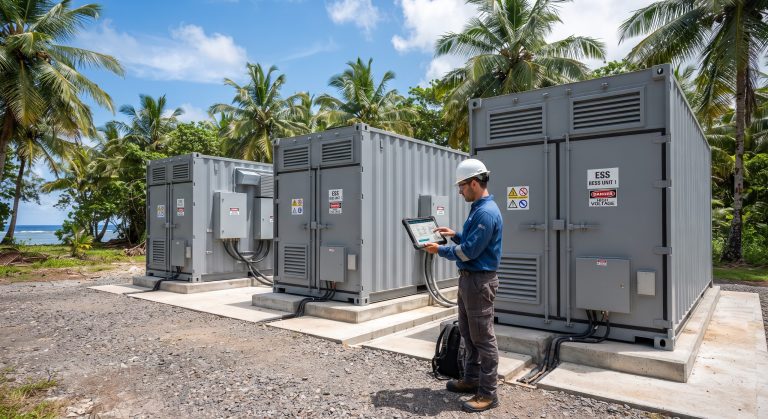
In large-scale BESS deployments, ensuring consistency across thousands of battery modules is critical for system reliability, safety, and financial returns. Even minor variations in cell performance can lead to accelerated degradation, thermal imbalances, and costly downtime. This expert FAQ addresses the most pressing B2B concerns—from pre-sales chemistry and scalability questions to post-sales maintenance and safety protocols—providing definitive answers for engineering, procurement, and operations teams.
Frequently Asked Questions
- Q1: What is the cycle life and DoD consistency of Tier-1 LFP cells used in BESS modules?
- The standard guaranteed cycle life is 6,000 cycles at 80% Depth of Discharge (DoD) for Tier-1 LFP cells, ensuring 70% capacity retention. This consistency is achieved through rigorous cell-level binning by capacity and internal resistance, combined with a closed-loop manufacturing process that minimizes batch-to-batch variation.
- Q2: How does the liquid cooling system ensure uniform temperature across all battery modules?
- The liquid cooling system maintains temperature uniformity within +/- 2°C across all modules, significantly mitigating thermal runaway risks. It achieves this through a parallel micro-channel cold plate design that ensures each cell receives equal coolant flow, preventing hot spots that cause irreversible capacity fade and impedance drift.
- Q3: What BMS and active balancing protocols ensure long-term electrical consistency?
- The Battery Management System (BMS) employs active cell balancing with a maximum balancing current of 5A to maintain voltage and SoC consistency during both charging and discharging cycles. The system performs automatic top-of-charge balancing at the end of each cycle and uses a ‘passive balancer’ for long-term health, preventing early failure and ensuring a 15-year calendar life.
- Q4: How do you ensure consistent performance when scaling from MWh to GWh capacity?
- Our BESS ensures consistent GWh scalability through a modular, parallel cabinet architecture that interconnects via a custom DC busbar, eliminating multi-cluster circulating currents. This design features a common DC bus and a centralized controller that synchronizes over 95% of all modules, ensuring identical charge and discharge behavior regardless of total system size.
- Q5: What are the fire safety measures for preventing thermal runaway in tightly packed modules?
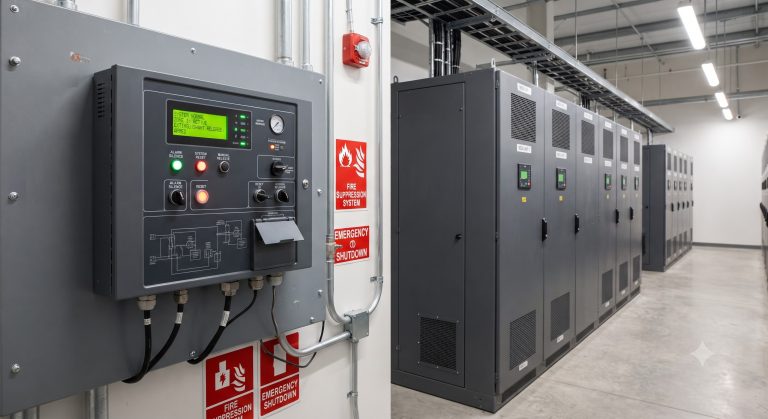
- The primary fire safety protocol is an early detection system utilizing multi-level gas sensors (detecting CO, H2, and electrolytes) combined with aerosol-based fire suppression that activates within 2 seconds of detection. Additionally, each module is physically separated by thermal barriers, and a passive ‘cell-to-cell’ propagation prevention design stops heat from spreading to adjacent modules, exceeding UL 9540A safety standards.
- Q6: How does module inconsistency impact ROI and peak shaving arbitrage?
- Module inconsistency directly reduces Round-Trip Efficiency (RTE) and can cut peak-shaving revenue by up to 15% over a system’s lifetime due to the ‘waterbed effect’ of accelerated aging. The manufacturer provides a guaranteed energy throughput (MWh) backed by a 10-year performance warranty, with granular per-module SoH data available via the cloud EMS for accurate LCOE calculations and financial modeling.
- Q7: What post-sales O&M and quality control processes ensure long-term parity between modules?
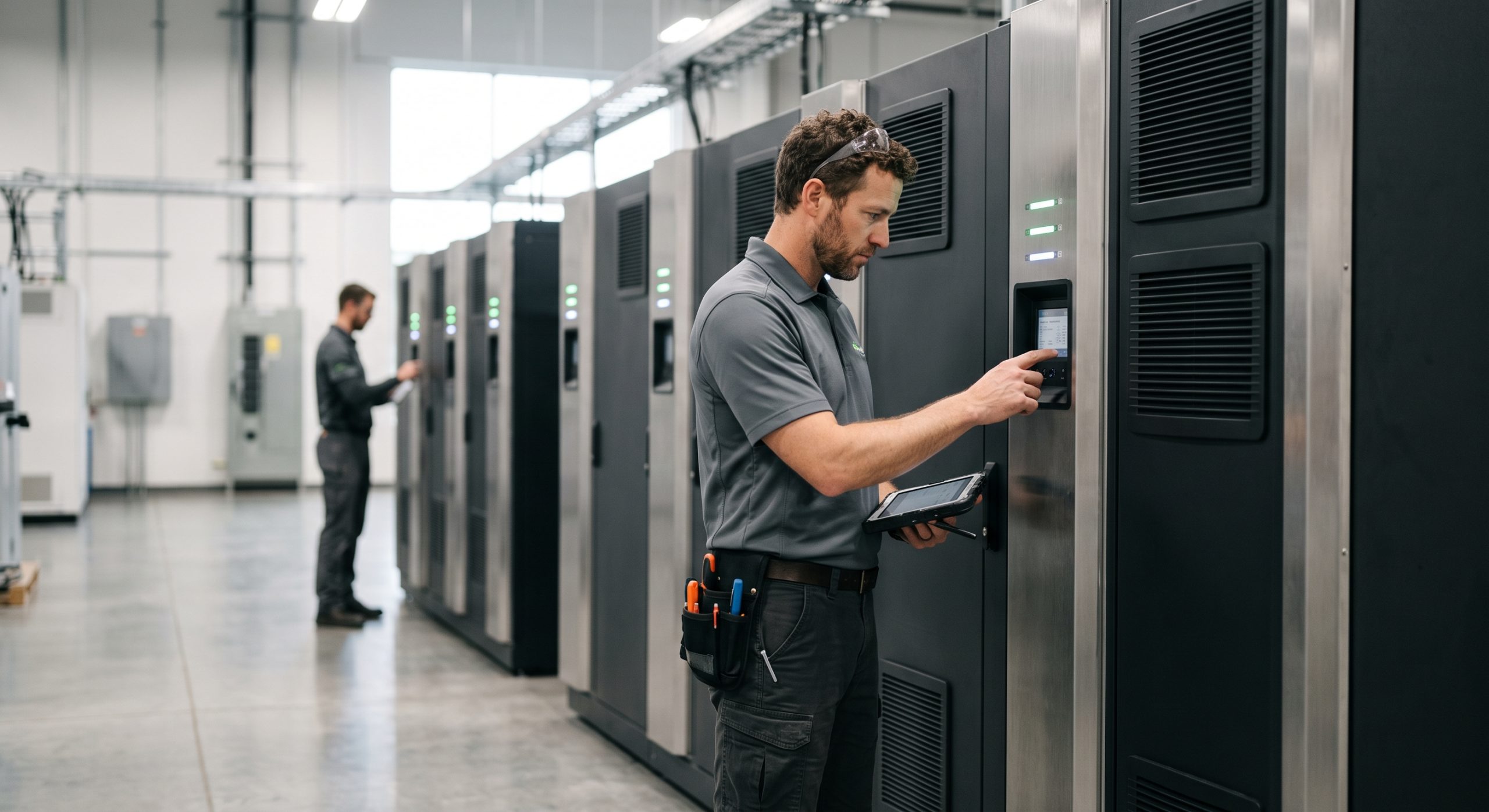
- The post-sales strategy includes a scheduled ‘battery equalization’ process every 3 months, where the EMS automatically triggers a full charge-discharge cycle to recalibrate the SoC and SoH algorithms. Furthermore, the remote monitoring platform features a ‘Module Health Dashboard’ that flags deviant cells, triggering proactive service visits to swap out failing modules and ensure overall fleet parity.