Introduction
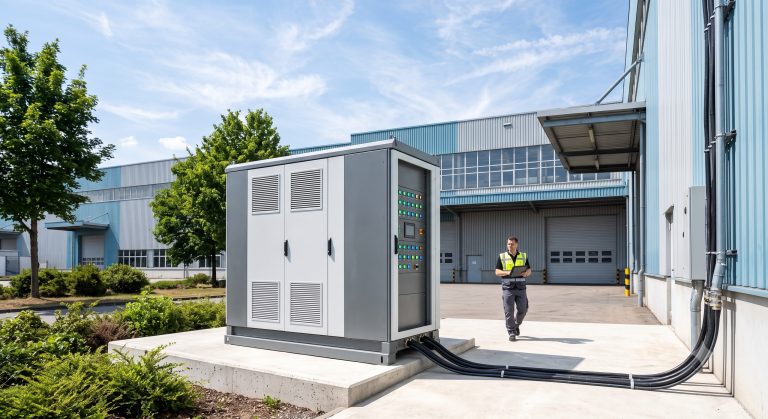
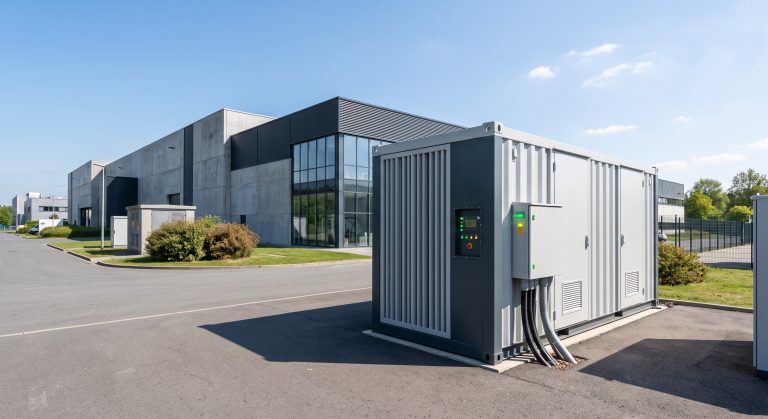
The global transition toward decentralized energy networks has placed wholesale lithium battery supplier partnerships at the forefront of commercial and industrial (C&I) energy strategy. With commercial electricity prices experiencing unprecedented volatility and sustainability mandates tightening, procurement managers are no longer merely purchasing batteries—they are securing long-term energy price stability and operational resilience. This guide distills 15 years of B2B energy storage expertise into a comprehensive technical and commercial framework designed for C&I facilities, industrial park developers, and renewable energy asset owners. We move beyond basic supplier qualification to dissect the engineering nuance, safety compliance (IEC 62619, UL 9540), and economic modeling (LCOE, CapEx vs. OpEx) that separate elite wholesale partners from transactional distributors.
Core Architecture & Battery Management
Power Conversion System (PCS) and Bi-Directional Topology
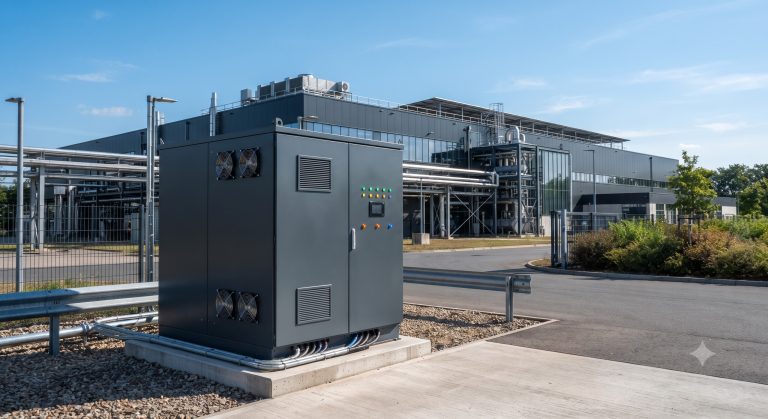
The interface between the battery and the facility’s electrical infrastructure defines system performance. A premium wholesale lithium battery supplier will offer modular PCS solutions with integrated bi-directional DC-to-AC conversion. At a minimum, the inverter topology must support grid-tied, off-grid, and hybrid modes, with seamless transition times of less than 20ms for mission-critical loads. The specified efficiency is not merely a peak value; the weighted efficiency across 10-100% load ranges determines actual round-trip efficiency. For a 1MWh system, a 2% efficiency differential translates to roughly $4,000 in annualized energy losses, emphasizing the need for data-driven evaluation.
Battery Management System (BMS) and Cell Balancing
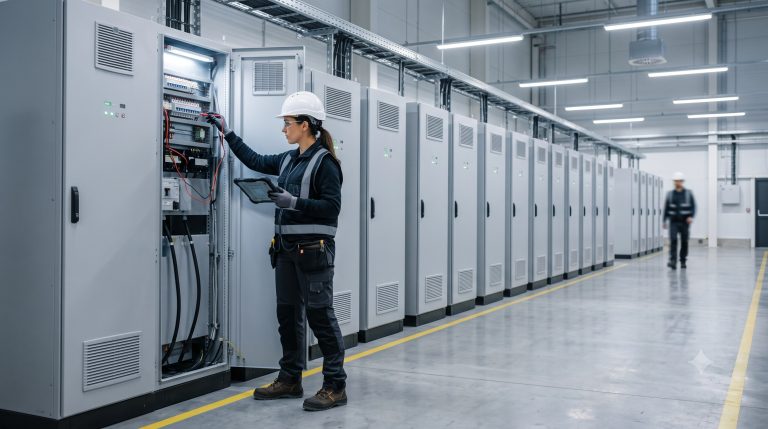
Advanced BMS architectures act as the battery’s central nervous system. The BMS must perform real-time cell voltage monitoring, current sensing, and temperature tracking across each Tier-1 LFP cell—typically via a distributed control unit (DCU) per rack or cabinet. Passive and active balancing mechanisms ensure that all cells maintain uniform state-of-charge (SoC), preventing the domino effect of capacity degradation. Tier-1 suppliers utilize isoSPI communication interfaces capable of reporting data at sub-100ms intervals to the Energy Management System (EMS), enabling predictive dispatch and anomaly detection.
Thermal Control: Liquid Cooling vs. Air Cooling
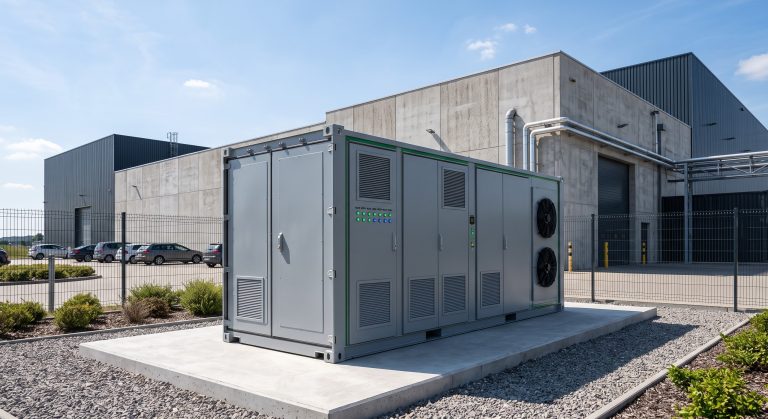
Thermal uniformity remains the single greatest determinant of cycle life. While forced-air cooling is cost-effective for systems below 200 kWh, high-density C&I deployments (1MWh-10MWh) increasingly mandate liquid cooling thermal control. Liquid cooling facilitates cell temperature differentials under 3°C across modules, effectively maintaining optimal operating temperatures (15°C to 35°C) even under 1C charge/discharge rates. This precision suppresses lithium plating and reduces internal resistance growth, directly preserving the >8000 cycle life capability at 90% DoD specified by top-tier LFP chemistry.
Technical Specifications
| Key Parameter | Technical Specification |
|---|---|
| Battery Chemistry | Tier-1 LFP (Lithium Iron Phosphate) |
| System Capacity | Modular: 100kWh to 5MWh+ (containerized) |
| Cycle Life (Cell) | >8000 cycles @ 90% DoD (60% EOL) |
| Round-Trip Efficiency | Up to 94% (DC-AC-DC via PCS) |
| Thermal Management | Integrated Liquid Cooling (ΔT < 3°C) or forced air |
| Safety Compliance | UL 9540, IEC 62619, CE, UN38.3, IEC 60730 |
Commercial ROI & Grid Support
Total Cost of Ownership (TCO) and LCOE Modeling
Price per kilowatt-hour (kWh) is a deceptive metric. The true economic benchmark is Levelized Cost of Storage (LCOE), factoring in upfront CapEx, replacement intervals, degradation rates, and O&M. Based on 5+ years of C&I project data, the premium paid for a Tier-1 wholesale lithium battery supplier (with >8000 cycles) amortizes heavily over a 15-year project lifespan. Calculating LCOE, a system with 8,000 cycles at 90% DoD delivers a lifecycle throughput of ~6.5 MWh per installed 1 kWh capacity, compared to lower-tier suppliers offering 4,000-5,000 cycles, which effectively increases LCOE by 25-30%.
Peak Shaving and Demand Charge Reduction
For C&I customers in regions with sharp demand tariffs ($15-25/kW), a wholesale lithium battery supplier delivers the fastest ROI via peak shaving. By deploying a 1MW/2MWh system, facilities can reduce peak demand by 500-700 kW during utility-defined peak windows. With the integration of smart EMS dispatch algorithms that predict load curves using machine learning, the system captures these reductions with 95%+ reliability, generating annual savings of $70,000-$120,000 depending on local tariff structures.
VPP Readiness and Grid Frequency Regulation
Beyond behind-the-meter savings, modern C&I storage is rapidly monetizing demand response and ancillary services. A vendor’s product must demonstrate frequency response capabilities (droop control, primary/secondary reserve) with response times below 200ms. Additionally, Virtual Power Plant (VPP) readiness requires adherence to IEC 61850 communication standards and grid code certifications, allowing the asset to export frequency regulation and capacity market services—often adding 2-4 cents per kWh of additional revenue.
Deployment Scenarios
Industrial Parks and Load-Intensive Facilities
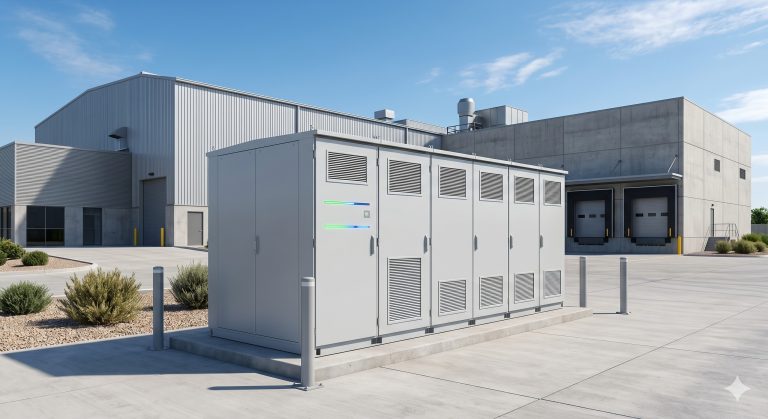
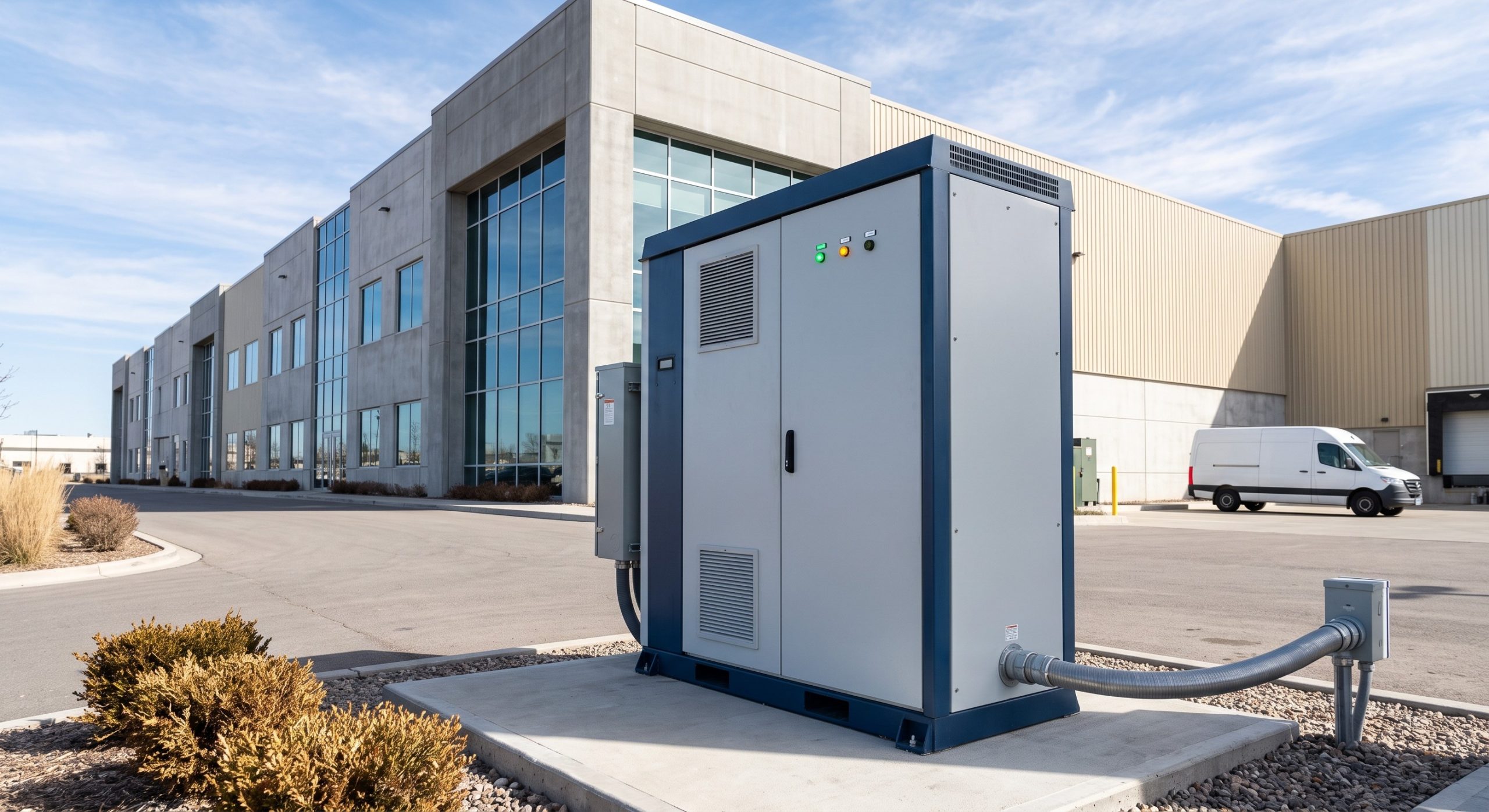
Industrial zones featuring continuous process manufacturing or data center operations represent the largest opportunity for scalable modular energy storage. These deployment settings benefit from containerized MWh-scale turnkey solutions, where the supplier provides not just the battery, but the transformer, switchgear, and medium-voltage (MV) integration.
PV-Storage-Charging (光储充) Integration
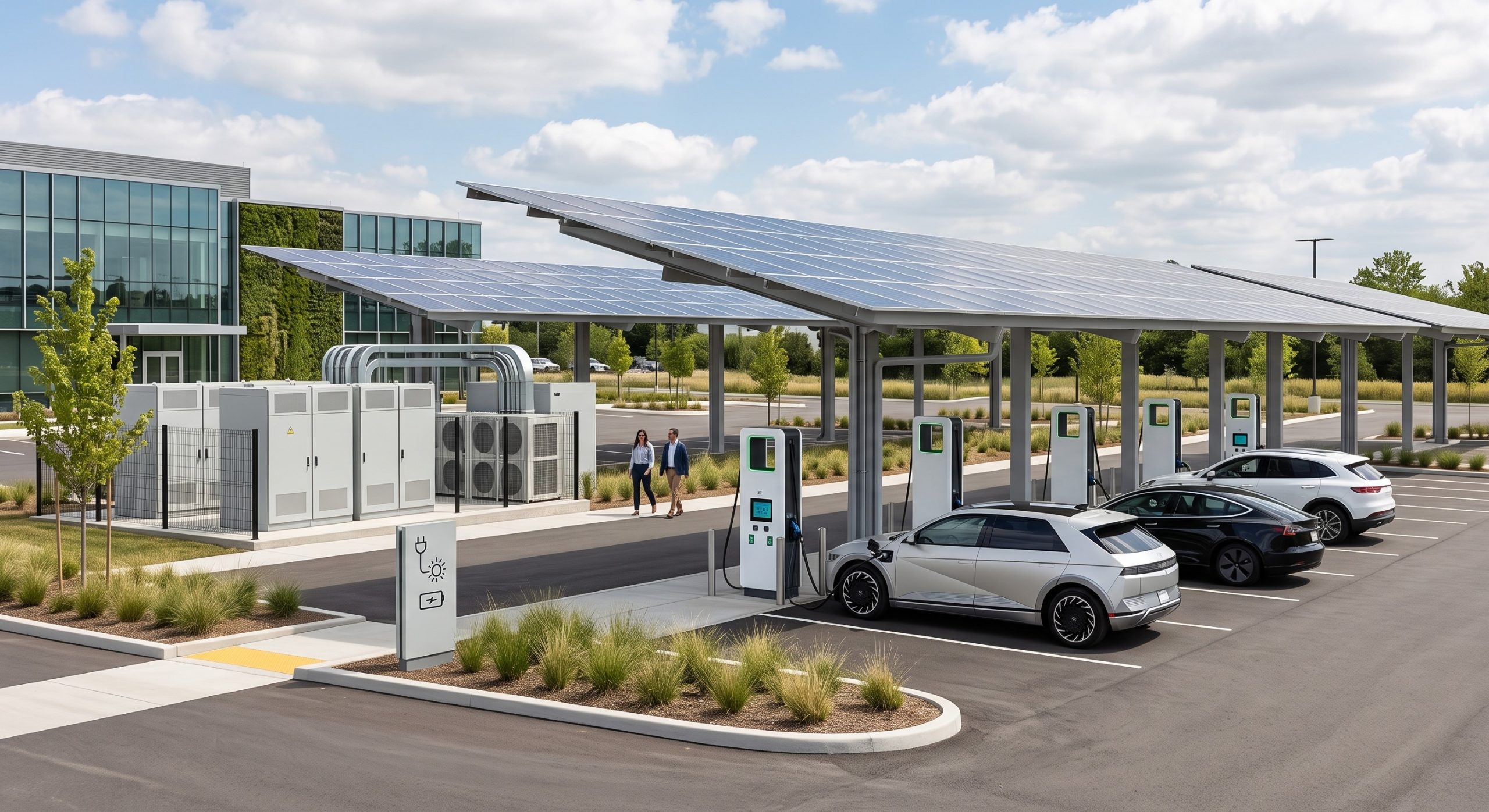
As commercial EV fleets scale, depots need ultra-fast charging capacity that municipal grids cannot supply. Pairing the ESS with a solar canopy creates a self-sustaining microgrid. The battery acts as a buffer, storing daytime solar generation and discharging for evening fleet charging, effectively creating a zero-carbon energy island while avoiding costly grid connection upgrades.
Replacement of Diesel Gensets
For mission-critical facilities (hospitals, telecom towers) and remote industrial sites, C&I ESS is rapidly outcompeting diesel gensets. Beyond the zero-emissions benefit, life-cycle TCO analysis reveals that a battery system paired with a smaller standby generator reduces fuel consumption by 70-85%, resulting in a return on investment within 3-4 years.
Conclusion
Selecting a wholesale lithium battery supplier is a strategic business decision that transcends pricing sheets. The optimal partner demonstrates validated data on cycle life metrics, offers modular and serviceable cabinet designs, and ensures full compliance with IEC 62619, UL 9540, and UN38.3 shipping standards. More crucially, they deliver comprehensive engineering support for system sizing, integration, and continuous EMS optimization. As C&I facilities migrate toward energy autonomy and net-zero operational targets, the role of a tier-1 wholesale supplier becomes indispensable in architecting the decentralized energy grid of the future.