Overview
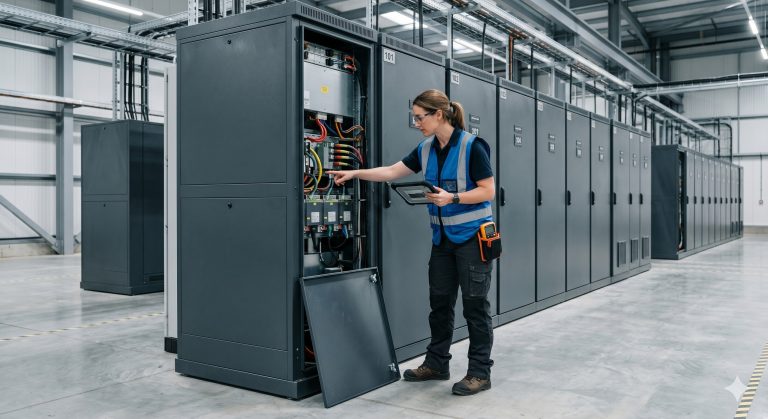
In the high-stakes world of Battery Energy Storage Systems (BESS), the integrity of the structural welds is the silent guardian of operational safety and longevity. While much attention is given to battery chemistry and BMS software, the physical joints holding cells and modules together are critical in preventing future failures. Real-time structural welding monitoring uses advanced sensors and AI-driven analytics to detect micro-fractures, porosity, and misalignments during the manufacturing process or post-installation. This proactive approach ensures that the mechanical stresses of thermal expansion, grid fluctuations, and seismic events do not compromise the electrical connections or cell integrity, directly mitigating risks of thermal runaway and capacity fade. Below, we answer the most pressing B2B technical questions on this essential safety technology.
Frequently Asked Questions
- Q1: How does real-time structural welding monitoring directly prevent thermal runaway in BESS?
- Real-time welding monitoring directly prevents thermal runaway by ensuring every electrical and mechanical connection has zero micro-cracks or high resistance points that generate excessive heat. By tracking parameters like current, voltage drop, and ultrasonic signatures during the welding process, the system immediately flags defects that could lead to high-impedance joints, which are a primary precursor to localized overheating and eventual cell failure.
- Q2: What specific welding defects does the real-time monitoring system detect that BMS cannot catch?
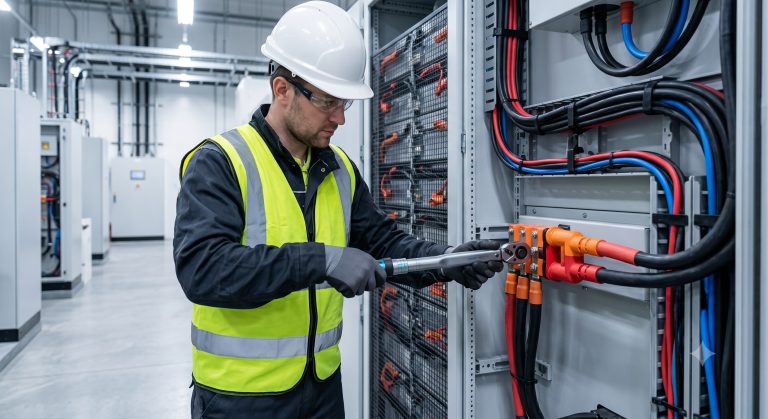
- The monitoring system detects physical defects such as porosity, spatter, incomplete fusion, and weld penetration depth inconsistencies that occur at the busbar and terminal connections. While a BMS monitors electrical parameters like voltage and temperature, it cannot see mechanical stress fractures or cold welds that degrade over time due to vibration or thermal cycling, which eventually manifest as sudden connection failures.
- Q3: How does weld quality monitoring impact the cycle life and depth of discharge (DoD) warranty of LFP cells?
- Superior weld quality ensures consistent inter-cell resistance, which minimizes energy loss as heat and maintains balanced charge/discharge across the entire string. This uniform current distribution is vital for achieving the advertised 6,000-8,000 cycle life at 90% DoD for Tier-1 LFP cells; poor welds create imbalances that accelerate cell degradation, voiding performance warranties and reducing effective cycle life by up to 30%.
- Q4: What is the role of welding monitoring in maintaining grid synchronization and power quality during peak shaving?
- During peak shaving and grid support, high-frequency switching and rapid power pulses place immense stress on connection points. Real-time welding monitoring ensures structural integrity to withstand these dynamic loads, preventing intermittent connections that cause voltage sags or frequency deviations, which are critical for maintaining IEEE 1547 grid interconnection standards and ensuring seamless off-grid islanding transitions.
- Q5: Can real-time welding monitoring data be integrated with the EMS and existing SCADA platforms for predictive maintenance?
- Yes, modern welding monitoring systems feature OPC-UA and Modbus protocols, allowing data on weld health and structural stress to be fed directly into the Energy Management System (EMS). This integration enables predictive O&M scheduling, allowing engineers to replace or reinforce connections before they fail, significantly reducing unplanned downtime and extending overall asset lifespan.
- Q6: How does this monitoring technology support scalable modular expansion and parallel cabinet connectivity?
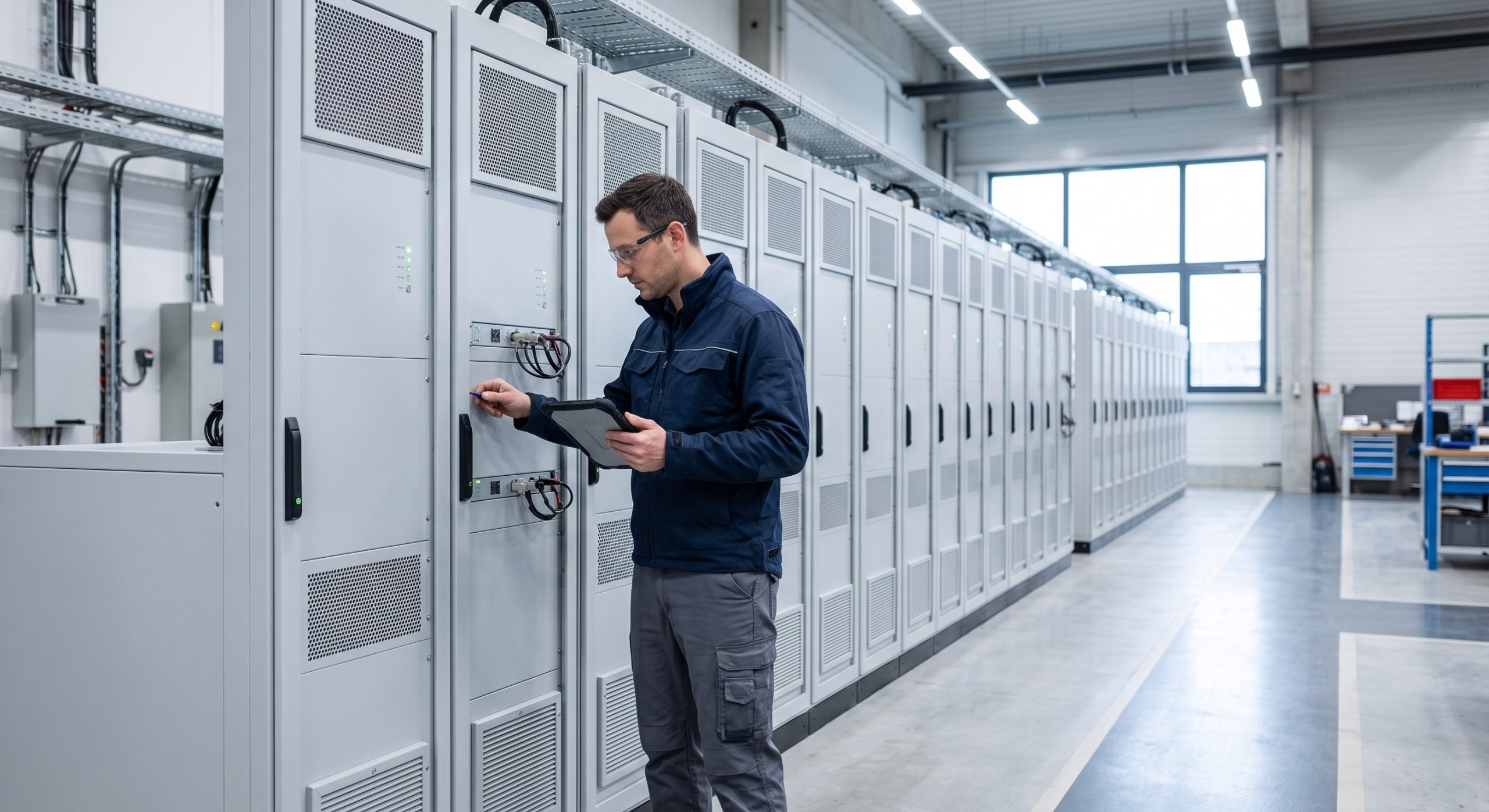
- When adding new cabinets to a modular BESS array, ensuring consistent weld quality across new and existing busbars is paramount. Real-time monitoring validates that all new connections match the electrical and mechanical specifications of the existing system, guaranteeing balanced current sharing on the DC busbar and preventing circulation currents that can cause overheating and premature failure in expanded systems.
- Q7: What are the cost implications (ROI) of investing in advanced welding monitoring vs. dealing with a field failure?
- The ROI is overwhelmingly positive. A single major battery failure can cost over $500,000 in equipment replacement, fire suppression, and operational downtime, not including insurance premiums. Real-time welding monitoring typically adds less than 1-2% to the initial CAPEX but reduces the risk of catastrophic failures by up to 90%, rapidly lowering the Levelized Cost of Energy (LCOE) and providing a payback period of less than 18 months.
- Q8: Does real-time monitoring adhere to international safety standards like UL 9540 and IEC 62619?
- Absolutely. The welding processes and inspection criteria are fully compliant with UL 9540 (for fire safety) and IEC 62619 (for industrial battery safety). The monitoring systems generate auditable digital weld logs that serve as crucial evidence during factory acceptance tests (FAT) and plant inspections, ensuring that the BESS meets strict global certifications for export and deployment.