B2B BATTERY SUPPLY CHAIN OPTIMIZATION GUIDE – OFFICIAL COMMERCIAL BESS TECHNICAL OVERVIEW & DATASHEET
EXECUTIVE SUMMARY
This document serves as the definitive technical reference for the B2B Battery Supply Chain Optimization Guide, a comprehensive commercial energy storage platform engineered for industrial, commercial, and utility-scale applications. Designed to address the critical challenges of supply chain volatility, energy arbitrage, and peak demand management, this system integrates Tier-1 LFP cell technology, advanced liquid thermal regulation, and a modular, containerized architecture. The platform ensures maximum operational uptime, predictable return on investment, and seamless integration with existing PV, EV charging, and micro-grid infrastructures.
This datasheet provides system architects, procurement specialists, and facility engineers with the essential technical specifications, compliance certifications, and operational logic required to deploy and maintain a resilient energy storage asset.
SYSTEM ARCHITECTURE & SAFETY
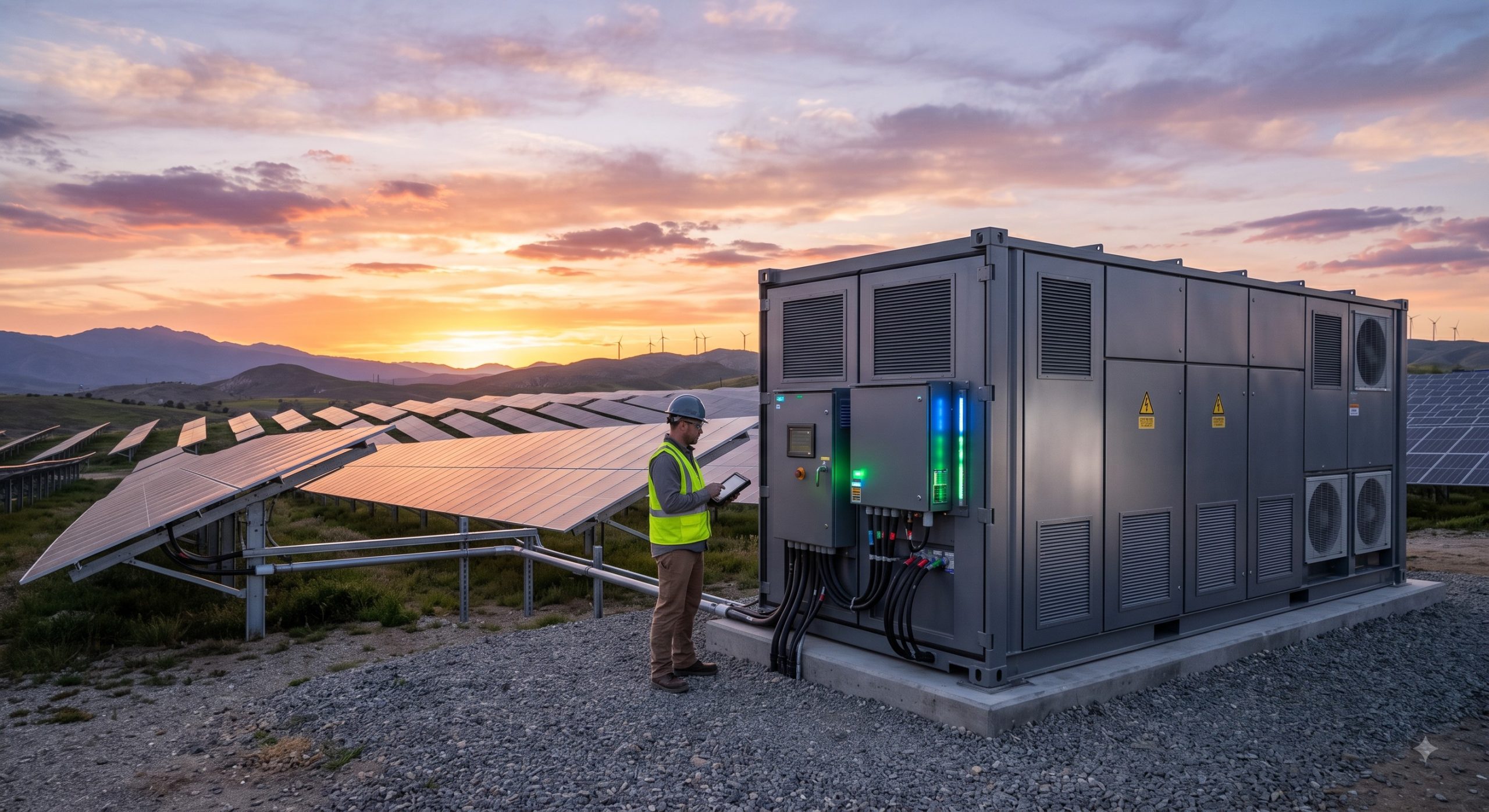
The B2B Battery Supply Chain Optimization Guide is built upon a rigorously tested, modular hardware platform that prioritizes safety, scalability, and performance. At its core, the system utilizes a high-voltage DC bus architecture combined with a fully integrated Battery Management System (BMS) and a bi-directional Power Conversion System (PCS).
**Architecture Overview:**
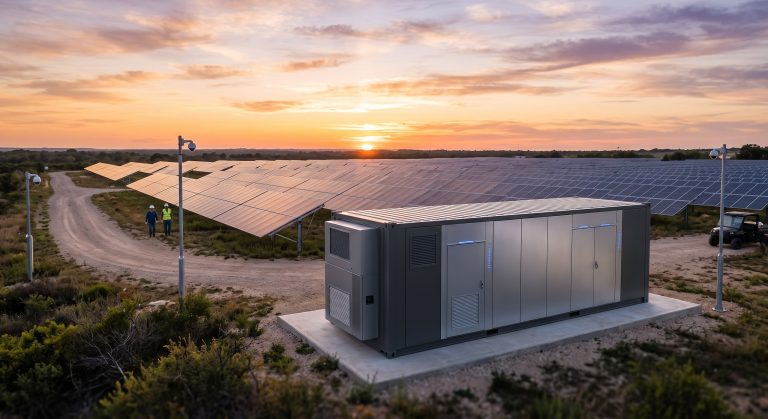
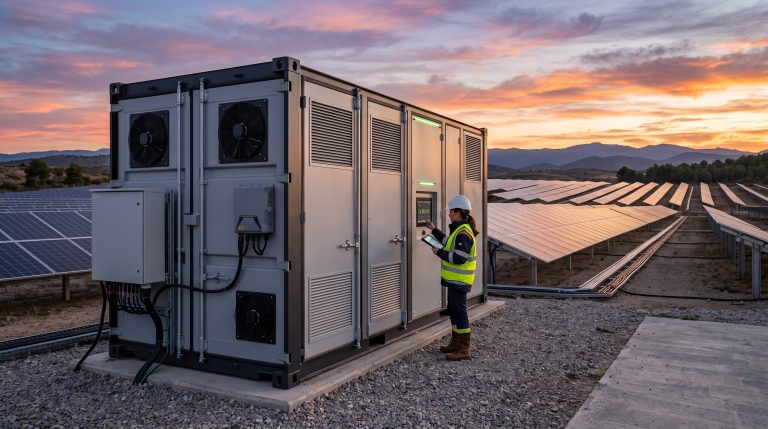
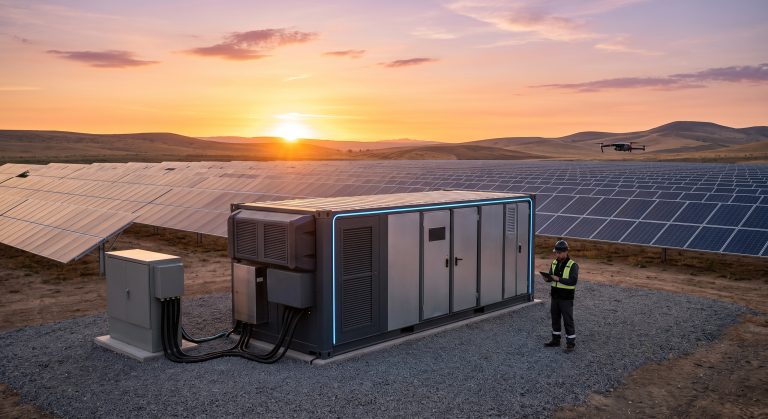
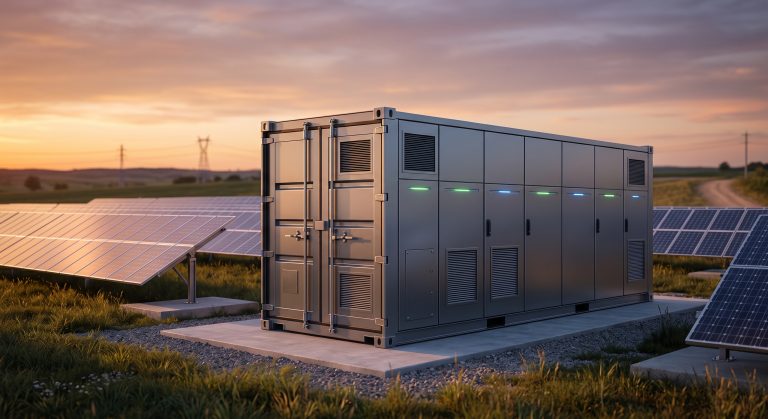
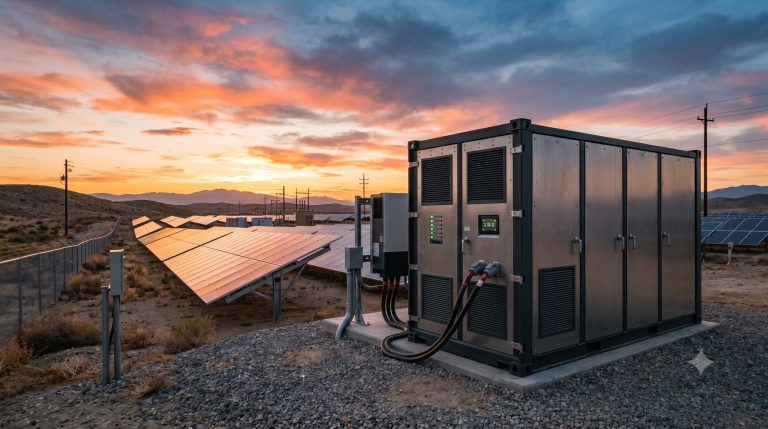
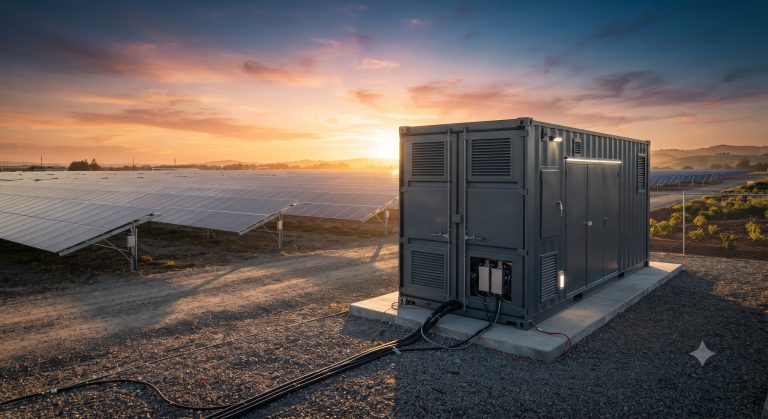
The system is typically configured within a standard 20-foot or 40-foot ISO container or a compact outdoor cabinet, housing the battery racks, liquid cooling distribution unit, fire suppression system, and local control panel. The architecture supports multiple independent DC branches, enabling parallel expansion for MWh-scale projects.
**Safety Hierarchy:**
– **Cell-Level Protection:** Multi-layer fuse and isolation mechanisms within each LFP cell module.
– **Module-Level Monitoring:** Individual voltage and temperature sensing per cell.
– **Rack-Level Shutdown:** Contactor-based isolation for rapid disconnection.
– **System-Level Response:** Integration with a multi-stage fire suppression system utilizing aerosol and gas-based agents, compliant with NFPA 855 and UL 9540A.
KEY FEATURES
– **Tier-1 LFP Cell Integration:** Utilizes automotive-grade, prismatic LFP cells for unmatched cycle life, thermal stability, and cobalt-free chemistry, ensuring a safe and sustainable supply chain.
– **Advanced Liquid Cooling & Thermal Regulation:** Maintains cell temperature variance within ±2°C, significantly enhancing cycle life by up to 20% and enabling consistent performance in ambient temperatures ranging from -30°C to +55°C.
– **Modular & Scalable Cabinet Architecture:** Supports parallel connection of up to 10 units without additional central controllers, allowing for flexible capacity expansion from 215 kWh to over 2 MWh per site.
– **Seamless EMS & PCS Integration:** Pre-verified communication protocols (Modbus TCP/IP, CAN) ensure plug-and-play integration with leading Energy Management Systems and bi-directional inverters for peak shaving, load shifting, and islanding.
COMPLIANCE & STANDARDS
The B2B Battery Supply Chain Optimization Guide platform is certified to the most rigorous international safety and performance standards, ensuring global bankability and seamless regulatory approval.
– **Safety Certifications:** UL 9540 (Energy Storage Systems and Equipment), UL 9540A (Thermal Runaway Fire Propagation), IEC 62619 (Secondary Cells and Batteries – Safety Requirements).
– **Grid Interconnection:** IEEE 1547, UL 1741 (Inverters, Converters, Controllers), VDE-AR-E 2510-50 (Stationary Storage Systems).
– **Environmental Protection:** IP55 / NEMA 3R enclosure rating, ensuring robust performance in outdoor and industrial environments.
– **Transportation:** UN38.3 (Lithium Battery Transport) compliant.
TECHNICAL SPECIFICATIONS
| Parameter | Specification |
|---|---|
| Nominal Capacity | 215 kWh / 372 kWh per cabinet |
| System Voltage (DC) | 768 V / 896 V |
| Cooling Method | Smart Liquid Cooling with Active Chiller (ΔT ≤ ±2°C) |
| Cell Chemistry | Tier-1 Prismatic LFP |
| Round-Trip Efficiency | ≥ 92% (DC/DC) |
| Operating Temperature Range | -30°C to +55°C |
| IP Rating | IP55 / NEMA 3R |
| Communication Protocol | Modbus TCP/IP, CAN, IEC 61850 |
| Cycle Life | ≥ 8,000 cycles (at 25°C, 0.5C, 80% EOL) |
| Warranty | 10-Year Standard / 15-Year Extended |
| Dimensions (mm) | 6058 (L) x 2438 (W) x 2896 (H) |
| Weight | ≤ 28 tons (depending on configuration) |
| Fire Suppression | Aerosol + Gas-based system with early warning sensors |

INDUSTRIAL DEPLOYMENT
Deploying the B2B Battery Supply Chain Optimization Guide platform requires careful planning of the site’s electrical infrastructure and environmental conditions. The system is designed for outdoor, pad-mounted installation.
**Pad Prerequisites:**
– **Concrete Foundation:** A flat, level concrete pad with a minimum compressive strength of 28 MPa.
– **Clearance:** Minimum 1 meter clearance on all sides for airflow and maintenance access.
– **Cable Trench:** Pre-installed conduits for AC power, DC power, and communication cables.
**Grid Interfacing Logic:**
– **Peak Shaving:** The system dispatches stored energy during peak tariff periods, reducing demand charges.
– **Load Shifting:** Charges during low-cost off-peak hours and discharges during high-cost on-peak hours.
– **PV Self-Consumption:** Stores surplus solar generation for use during evening hours or cloudy periods.
– **Backup Power:** Provides seamless islanding capability for critical loads during grid outages.
**Recommended Facility Layouts:**
For optimal performance and safety, it is recommended to position the unit away from high-traffic areas and flammable materials. A dedicated, fenced-in area with clear safety signage is standard practice. The pad should be oriented to allow for direct, short cable runs to the main switchgear and any on-site PV inverters.
📥 Download Technical Specification
Click the button below to view or download the full official PDF datasheet.