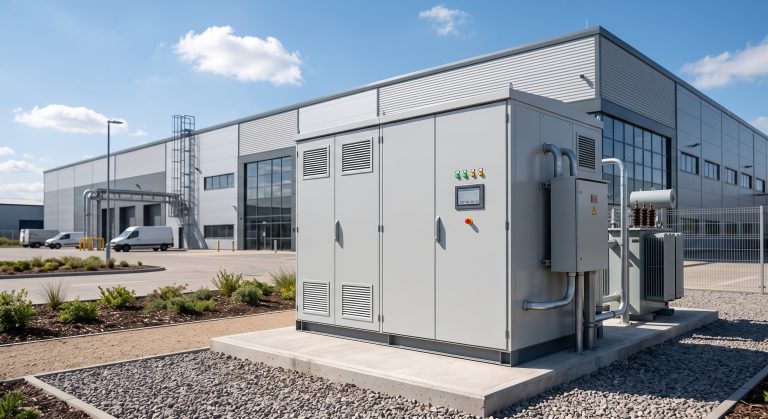
Overview
Condensation inside an energy storage container is a critical issue that can lead to electrical shorts, corrosion, and reduced battery lifespan. Preventing it requires a multi-layered approach that combines advanced thermal management, hermetic sealing, and active environmental control. This FAQ addresses the most pressing B2B questions about protecting your BESS from moisture, from pre-sales design considerations to post-sales maintenance protocols.
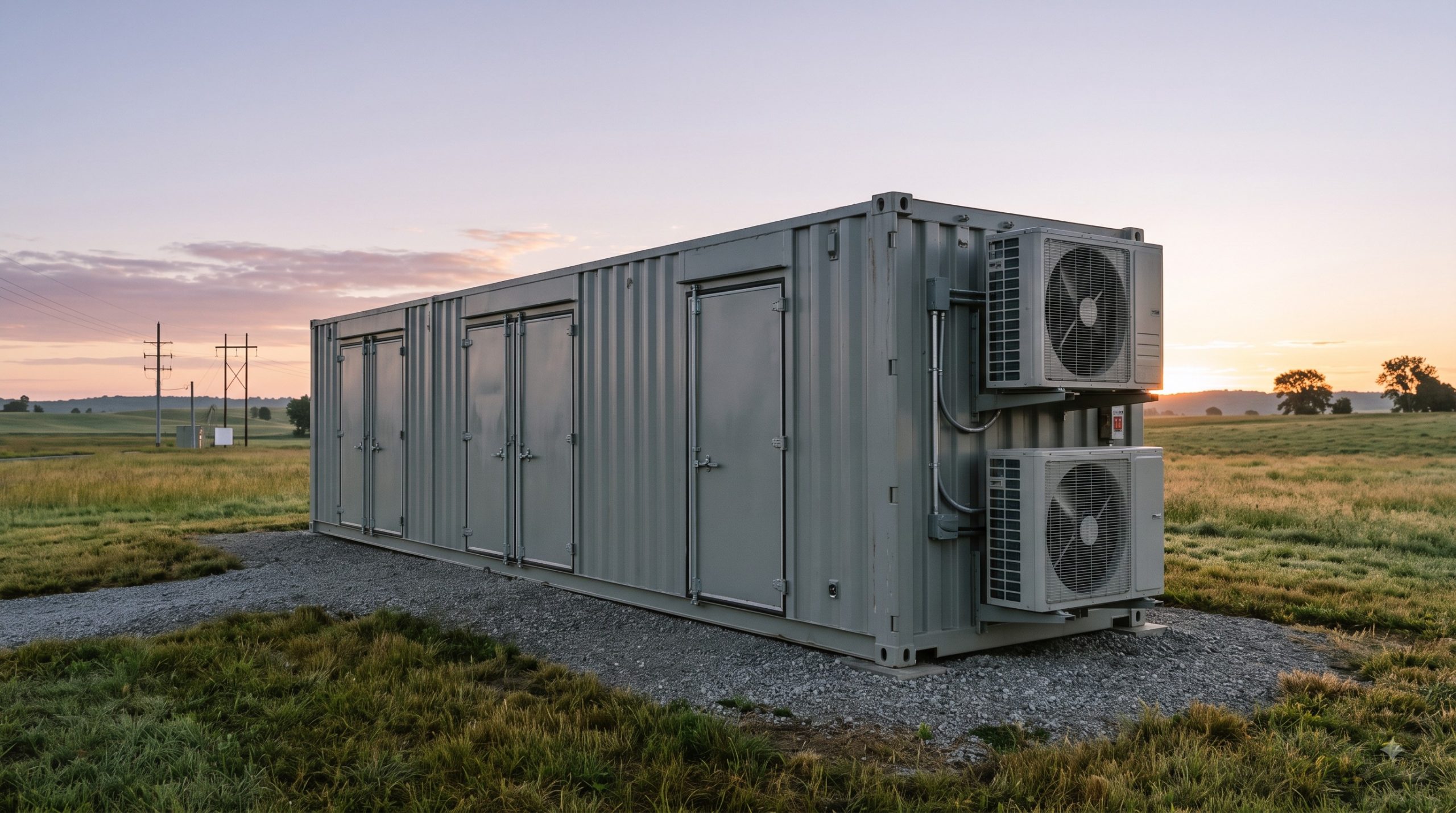
Frequently Asked Questions
- Q1: How do you actively prevent condensation inside the energy storage container?
- Preventing condensation requires a combination of hermetic sealing, active HVAC systems with dehumidification, and a sophisticated Battery Management System (BMS) that monitors internal conditions. The primary strategy involves using an airtight enclosure with an IP65 or higher rating, paired with a dedicated air conditioning unit that maintains the internal temperature above the dew point. An integrated desiccant-based dehumidifier or a dry-air purge system is also employed to remove moisture ingress during maintenance, ensuring the relative humidity stays consistently below 50%.
- Q2: What specific IP rating is required to prevent moisture ingress in a BESS?
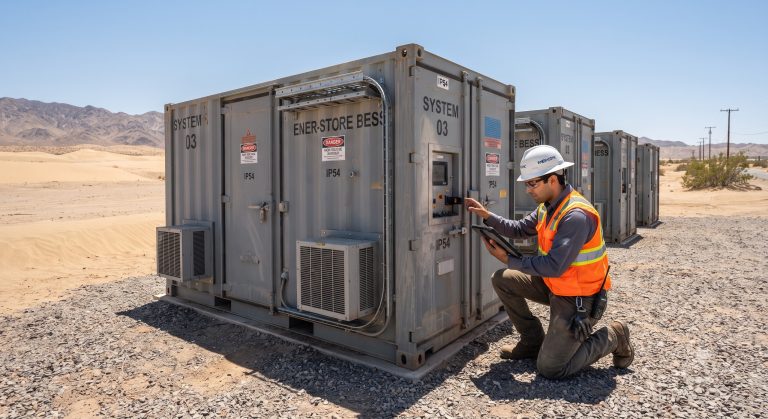
- For effective condensation prevention, a minimum enclosure rating of IP65 (NEMA 4) is recommended for outdoor energy storage containers. This rating ensures the cabinet is dust-tight and protected against low-pressure water jets, effectively blocking external moisture and humidity from entering. For more severe environments or high-humidity coastal areas, an IP66 or IP67 rating provides even greater protection against powerful water jets and temporary immersion, but the key to preventing internal condensation is not just the rating, but also the integrity of the cable glands and access panels.
- Q3: Why is thermal runaway a concern related to condensation?
- Condensation can significantly elevate the risk of thermal runaway in lithium-ion batteries. Moisture ingress can lead to corrosion of electrical terminals and busbars, creating high-resistance points that generate excessive heat. Additionally, water can cause short circuits within the battery cells or the high-voltage DC bus, potentially leading to an internal cell failure and subsequent thermal runaway. Strict environmental controls, including regular checks of the HVAC system and drainage valves, are therefore critical for safety.
- Q4: How does the BMS monitor and respond to condensation risk?
- The BMS plays a vital role in condensation prevention by monitoring both temperature and humidity sensors distributed throughout the container. The BMS calculates the dew point in real-time; if the internal humidity approaches a critical threshold, it automatically activates additional dehumidification or adjusts the HVAC system to maintain a safe differential. This proactive monitoring ensures that the battery’s operating environment remains stable, protecting against both immediate faults and long-term degradation.
- Q5: What are the post-sales maintenance checks for condensation prevention?
- Post-sales maintenance for condensation prevention includes quarterly inspections of the HVAC system’s condensate drain lines to ensure they are clear and functioning, and monthly verification of the enclosure’s sealing integrity at all access points. The dessicant breathers or dry-air purge system must be checked and replaced according to the manufacturer’s schedule. Additionally, a yearly recalibration of the BMS’s temperature and humidity sensors is recommended to ensure the accuracy of the environmental monitoring data, providing a comprehensive defense against moisture.
- Q6: Can I use an energy storage container in a high-humidity environment without a dehumidifier?
- While a robust HVAC system with heating and cooling functions can help, a dedicated dehumidifier is strongly recommended for high-humidity environments. Relying solely on an AC unit for both temperature control and dehumidification is often inefficient and may not adequately lower the dew point, especially during shoulder seasons. A controlled dry-air purge system, which replaces the internal air with filtered, dry air from an external source, is often the most effective solution to keep internal humidity at safe levels.