Overview
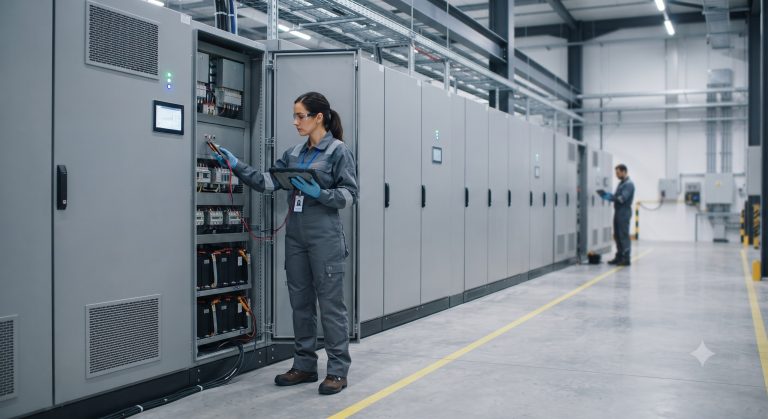
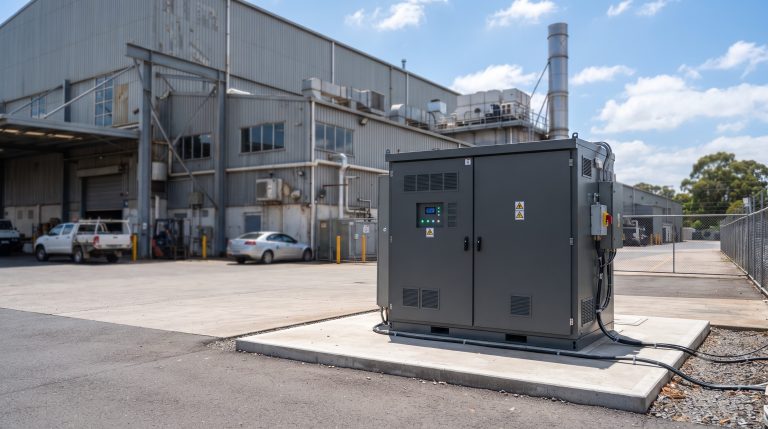
For B2B clients and plant engineers, understanding the fire safety architecture of a containerized Battery Energy Storage System (ESS) is just as critical as its cycle life or ROI. In lithium-ion energy storage, thermal runaway prevention is not a single feature but a multi-layered strategy integrating cell-level monitoring, gas detection, and both gas-based and water-based suppression. This FAQ details the standard fire protection mechanisms designed into modern containerized ESS units like Wantage, focusing on early detection, automatic suppression, and fail-safe compartmentalization to protect your investment and personnel.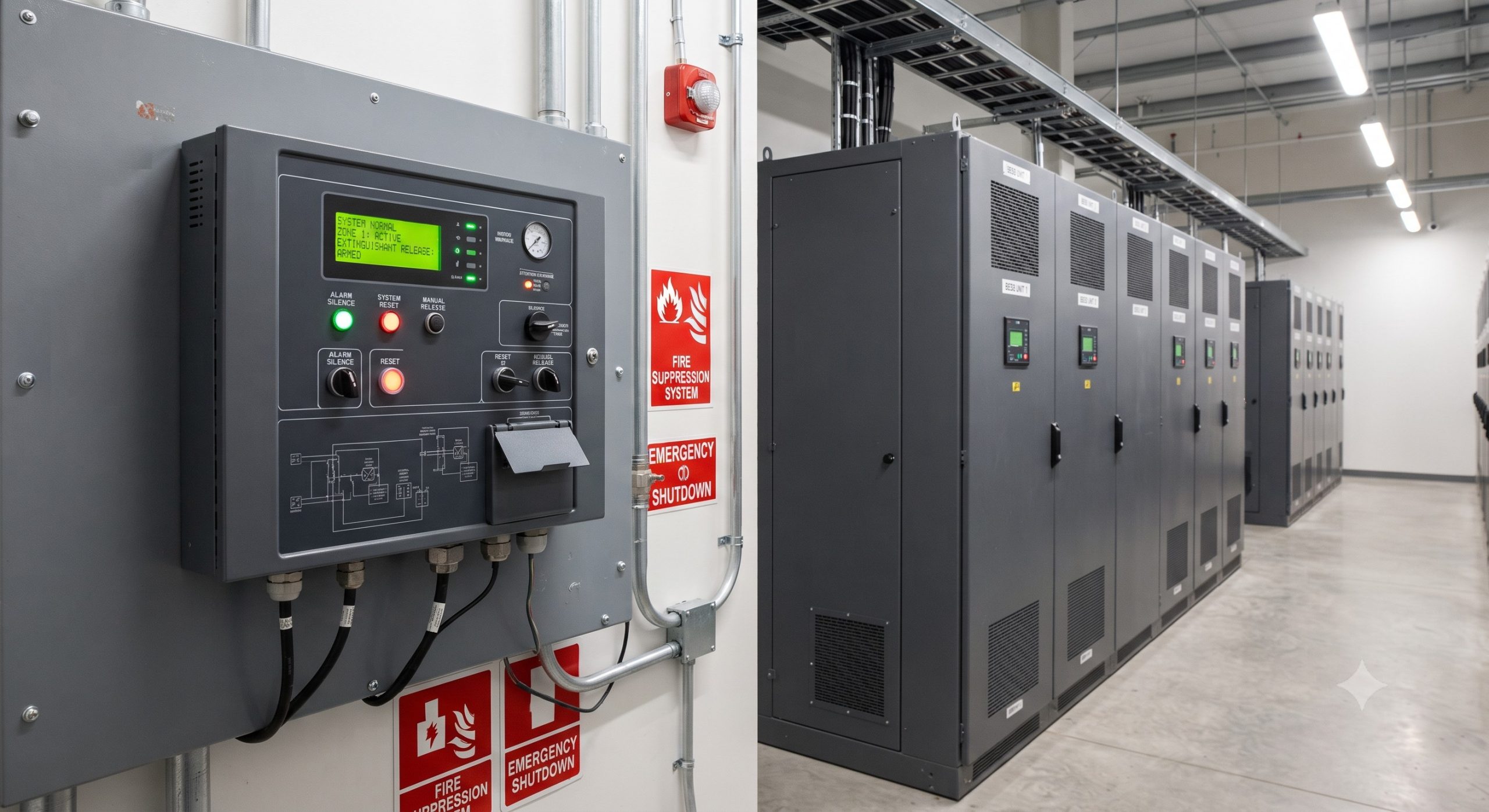
Frequently Asked Questions
- Q1: What multi-tier fire protection mechanisms are standard in Wantage container ESS?
- The standard fire protection system is a multi-tiered architecture combining early detection, automatic gas suppression, and a deluge water spray system. This layered approach ensures a graduated response: from detecting off-gassing at the pack level, to suppressing flames with a clean agent like FK-5-1-12, to providing ultimate cooling via an external water connection to prevent propagation. The system uses a 3D detection network of smoke, heat, and combustible gas (H₂) detectors, ensuring redundancy and reducing false alarms.
- Q2: How does the Wantage ESS detect a potential thermal runaway before a fire starts?
- Detection is achieved through a combination of Battery Management System (BMS) data and specialized environmental sensors. The BMS monitors each cell’s voltage, current, and temperature in real-time, automatically halting operation if safe thresholds are exceeded. Simultaneously, duct-mounted smoke detectors and combustible gas detectors (specifically for hydrogen and volatile organic compounds) monitor the air for the earliest signs of off-gassing, often triggering a pre-alarm and activating ventilation before temperatures rise significantly.
- Q3: What extinguishing agents are used in Wantage ESS fire suppression?
- The primary automatic suppression agent is a clean, non-conductive gas such as FK-5-1-12 (Novec 1230) or a comparable PFAS-free agent. This gas is ideal for battery fires because it suppresses the flame without causing electrical damage or leaving corrosive residue. It is deployed via a total flooding system designed to achieve a fire-extinguishing concentration throughout the container in under 60 seconds.
- Q4: Is there a backup or secondary fire suppression system if the gas fails?
- Yes. A robust water-based deluge or sprinkler system serves as the secondary layer. This open-pipe system is connected to a standard DN65 external water inlet, allowing firefighters to connect a hydrant. The system is designed to flood the battery area with water, providing critical cooling to stop thermal propagation and prevent reignition—a key requirement for managing lithium-ion battery fires.
- Q5: How does the system coordinate suppression with the Battery Management System (BMS)?
- All fire detection and suppression controls are fully integrated with the central BMS and the plant’s Energy Management System (EMS) via RS485, CAN, or Ethernet. Upon receiving a verified alarm from the gas or heat detectors, the system automatically triggers the gas suppression, isolates the affected racks via DC relays, and sends a status signal to the remote monitoring center. This ensures the ESS is electrically isolated before any suppressant is discharged.
- Q6: What are the physical design features that contain a fire within the container?
- Beyond active suppression, the container features passive safety components. It is equipped with explosion-proof vents and louvers to safely release pressure and toxic gases in a controlled manner. Additionally, the system features an external Emergency Stop (E-stop) that is visually marked and protected from fire damage, allowing first responders to shut down the system safely without entering the hazard zone.
- Q7: How often does the fire protection system require maintenance?
- Annual maintenance is standard for the whole ESS system. This includes inspecting the appearance and performance of the ventilation and exhaust fans, checking the functionality of the horn/strobe alarms and manual pull stations, and verifying that the temperature, smoke, and combustible gas detectors show no physical damage and respond normally.
- Q8: Does the standard fire protection meet international safety standards?
- Yes, the system is engineered to meet strict international standards. Design features align with requirements for UL 9540A thermal runaway propagation testing, IEC 62619 for internal fault testing, and structural fire resistance levels like REI 90/120 for the container enclosure.