Overview
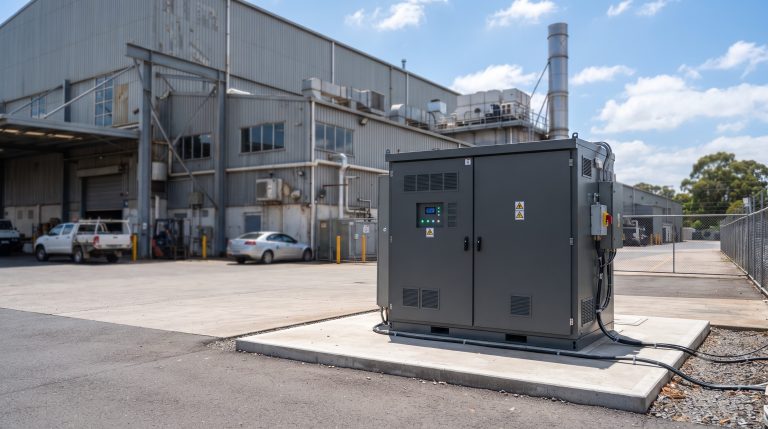
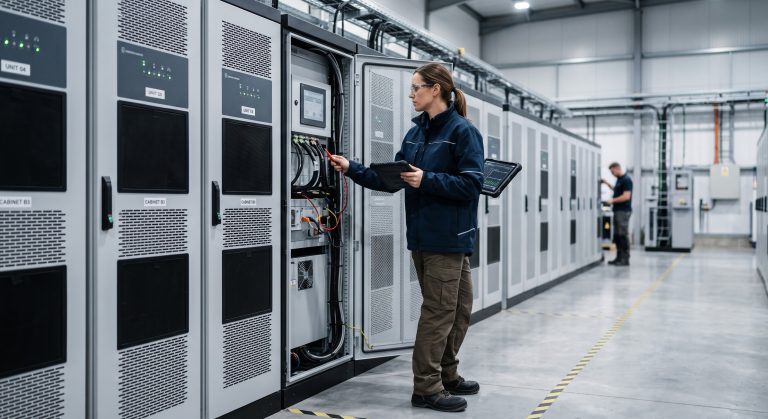
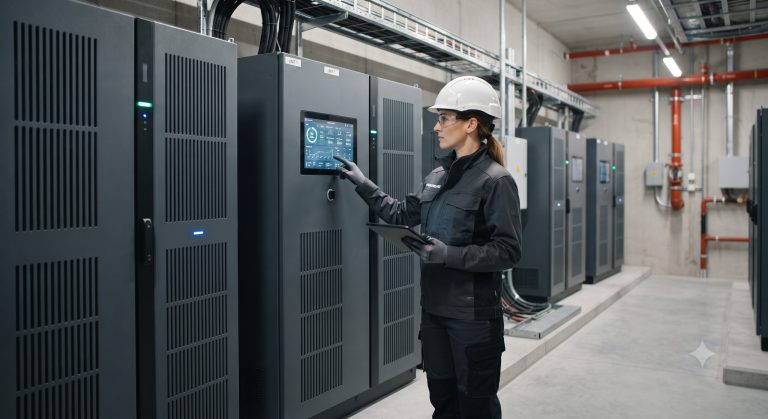
Containerized Battery Energy Storage Systems (BESS) are increasingly recognized as the backbone of modern island micro-grids, providing the grid-forming capabilities and rapid response necessary to balance intermittent renewable generation with fluctuating loads. This FAQ addresses the most critical technical and commercial questions that engineers, project developers, and plant operators ask when evaluating container BESS for island grid stabilization.
Frequently Asked Questions
- Q1: How exactly does a container BESS stabilize frequency and voltage in an island micro-grid?
- A container BESS stabilizes island micro-grids through grid-forming (GFM) inverters that autonomously regulate voltage and frequency without an external grid reference, unlike grid-following inverters which require one . This is achieved via droop control and advanced hierarchical control schemes, with the BESS providing synthetic inertia to counteract the low inertia characteristic of renewable-heavy island grids, significantly improving stabilization time .
- Q2: What is the typical cycle life and DoD for LFP container BESS used in daily island stabilization?
- The standard cycle life for Tier-1 LFP cells in a container BESS is typically 6,000 to 8,000 cycles at 80% Depth of Discharge (DoD) under controlled conditions. This long cycle life is achieved through precise Battery Management System (BMS) cell balancing and advanced liquid or air cooling systems that maintain optimal operating temperatures, mitigating degradation from daily cycling .
- Q3: What are the key safety mechanisms to prevent thermal runaway in an island micro-grid container BESS?
- Container BESS for island micro-grids incorporate multi-tier fire safety mechanisms, including early gas and smoke detection, fault isolation, and integrated fire suppression systems, all designed to meet strict safety standards like UL 9540 . The BMS also monitors cell health in real-time to prevent operation outside safe voltage and temperature limits, with advanced liquid cooling systems acting as a critical barrier by efficiently dissipating heat to prevent thermal runaway .
- Q4: How does the container BESS transition between grid-tied and island/off-grid modes?
- Container BESS designed for micro-grids offer seamless transition between grid-tied and island (off-grid) modes using grid-forming (GFM) inverter technology . In grid-tied mode, it can follow grid commands for peak shaving or demand response. Upon grid failure, the GFM inverter immediately takes control to form a stable local grid, ensuring uninterrupted power to critical island loads .
- Q5: How is the BMS monitored to ensure long-term reliability in remote island deployments?
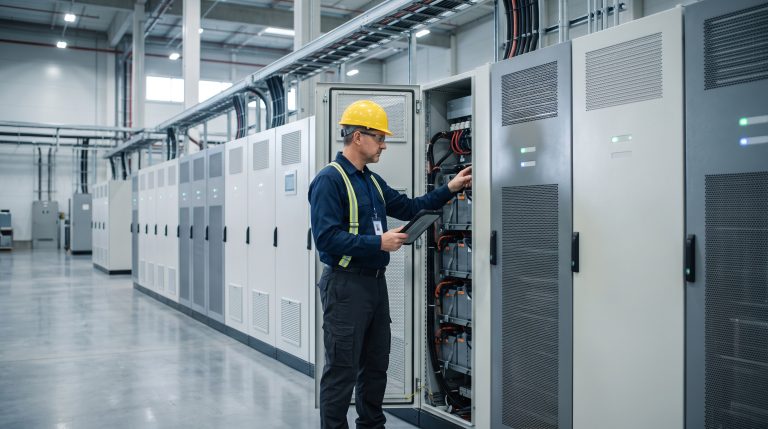
- Remote monitoring of the BMS is essential and is facilitated through an integrated Energy Management System (EMS) with remote communication protocols like Modbus . The BMS continuously transmits critical data such as state of charge (SoC), state of health (SoH), and cell temperatures to a central SCADA or cloud platform, allowing for predictive maintenance and ensuring optimal performance without frequent on-site visits .
- Q6: Can a container BESS be easily scaled up as the island’s energy needs grow?
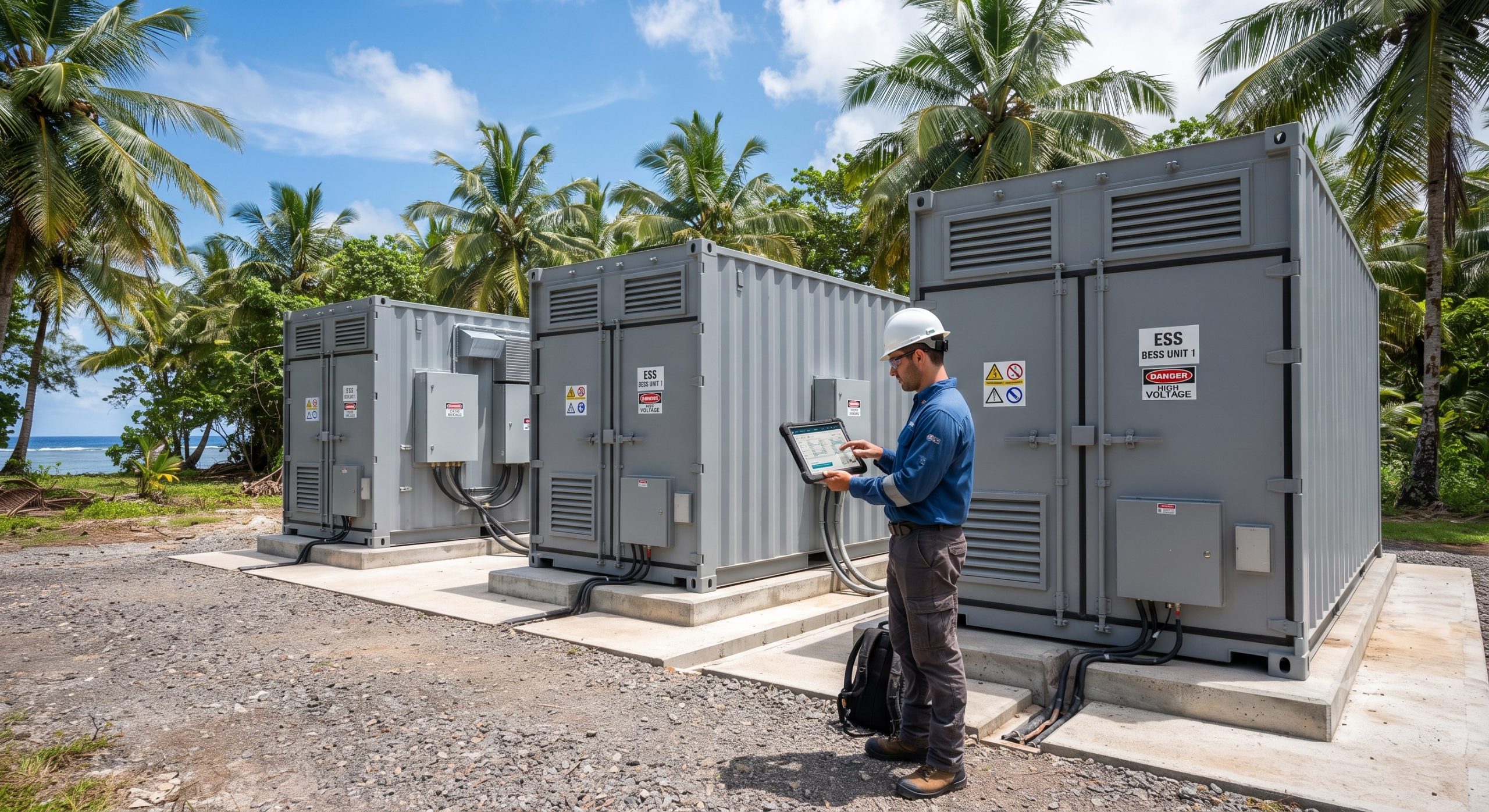
- Yes, a key advantage of containerized solutions is their modular scalability, allowing for easy expansion by simply adding more container units in parallel to increase total MWh capacity and MW power output . This enables island micro-grids to start with a single container and incrementally scale to dozens of containers as demand grows, providing a cost-effective and flexible upgrade path .
- Q7: What is the ROI calculation and how can island micro-grids benefit from peak shaving and arbitrage?
- ROI for island micro-grid BESS is calculated by stacking multiple revenue and savings streams, primarily from reducing dependency on expensive diesel generation and participating in energy arbitrage with solar PV . The system can also perform peak shaving to reduce high demand charges, and commercial/industrial facilities can leverage demand response programs to further improve the business case .