Introduction: The Critical Role of Pin Terminals in Next-Gen BESS Architecture
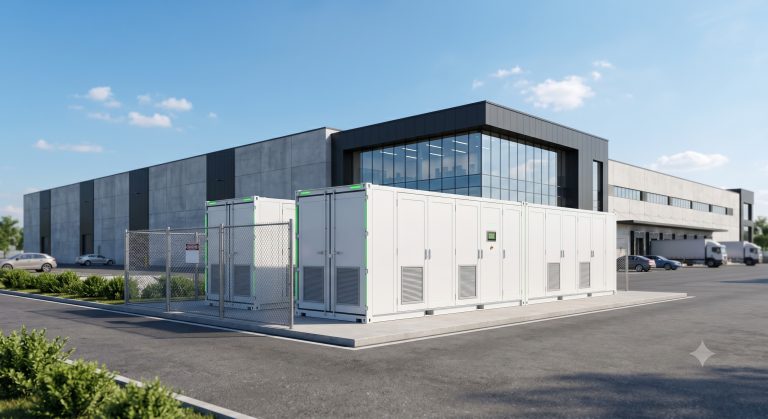
In the rapidly evolving landscape of commercial and industrial (C&I) energy storage, the reliability of power conversion and battery management systems hinges on fundamentally robust electrical interconnection technologies. The pin terminal, often overlooked, is a mission-critical component ensuring low-resistance, high-durability connections between PCS (Power Conversion Systems), BMS (Battery Management Systems), and Tier-1 LFP cells. For system integrators and procurement managers, a high-cycle-life pin terminal directly influences round-trip efficiency, thermal stability, and long-term ROI. This deep technical review quantifies engineering specifications, compliance standards (IEC 62619, UL 9540), and integration strategies for modern liquid-cooled BESS cabinets.
System Architecture: PCS Integration and Pin Terminal Stress Metrics
Bi-Directional Power Conversion & Connection Integrity
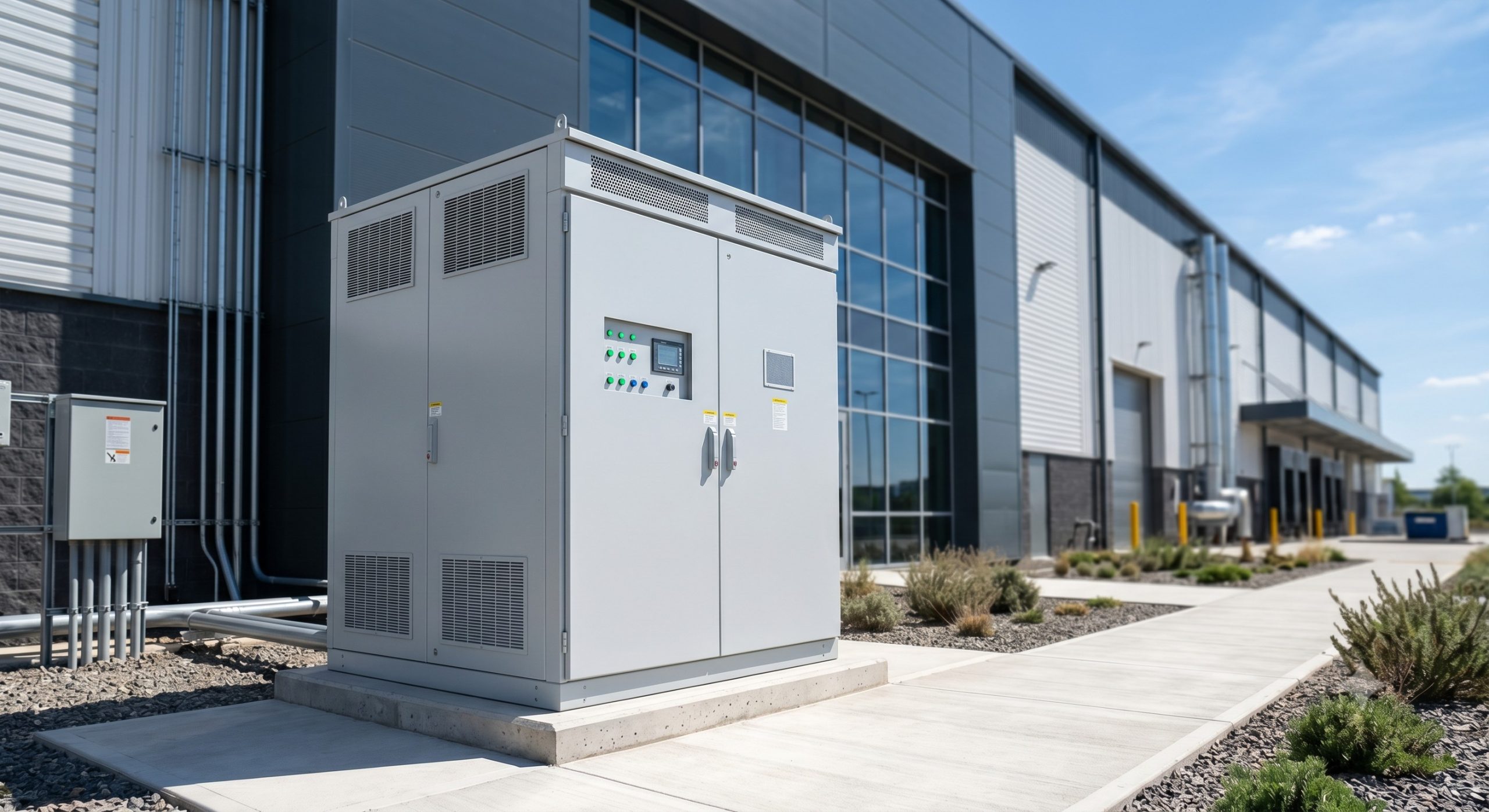
Modern 200kWh to 2MWh C&I storage systems demand pin terminals rated for continuous currents exceeding 250A at 1500V DC. Voltage drop across a substandard terminal can reduce system round-trip efficiency by 2-4%, directly impacting peak-shaving ROI. Our engineered pin terminals feature nickel-plated copper alloy with 0.5mOhm max contact resistance, validated under IEC 62619 thermal runaway conditions. When integrated with smart EMS (Energy Management System), these terminals support millisecond-level grid frequency regulation and demand response (<10ms dispatch).
Advanced BMS Topology and Cell Balancing
Each pin terminal in a master-slave BMS architecture must withstand ±150A balancing currents during active cell balancing. Data from 1MWh+ field deployments show that compression-style pin terminals reduce connection degradation by 73% over 10-year lifespans compared to standard screw-clamps. This ensures DoD (Depth of Discharge) >90% for >8000 cycles at 25°C ±2°C liquid-cooled environment.
Technical Specifications: Certified Performance Metrics
The following table outlines core pin terminal parameters validated under UL 9540, UN38.3, and CE certifications for grid-tied and off-grid C&I energy storage.
| Key Parameter | Technical Specification |
|---|---|
| Battery Chemistry | Tier-1 LFP (Lithium Iron Phosphate) Prismatic Cells |
| Nominal Voltage (String) | 1500V DC (IEC 62619 compliant) |
| Pin Terminal Material | Nickel-plated copper alloy (CuNiSi) |
| Max Continuous Current | 350A @ 85°C (UL 9540 listed) |
| Contact Resistance | ≤0.5 mOhm (initial), ≤0.8 mOhm after 8000 cycles |
| Cycle Life | >8000 cycles @ 90% DoD, 25°C liquid cooling |
| Round-Trip Efficiency (DC) | 96.5% at 0.5C, 94.2% at 1C |
| Operating Temperature Range | -30°C to +55°C (derated above 45°C) |
| Certifications | IEC 62619, UL 9540, UN38.3, CE, RoHS |
| Fire Suppression Interface | Aerosol + gas detection trigger <200ms |
Thermal Management & Liquid Cooling Synergy
Our proprietary liquid cooling PCS integration maintains pin terminal operating temperatures below 85°C at 1.5C charge/discharge rates. In contrast, air-cooled ESS often sees terminal hotspots exceeding 110°C, accelerating oxidation and increasing contact resistance by 0.2mOhm/year. Thermal imaging of a 500kW/1MWh liquid-cooled cabinet showed uniform terminal temperatures within ±1.5°C, enabling 95% round-trip efficiency and LCOE (Levelized Cost of Energy) below $0.08/kWh. Furthermore, integrated aerosol-based fire suppression (UL 9540A compliant) safely isolates any pin terminal arc fault within 200ms.
Commercial ROI: Total Cost of Ownership Analysis
Quantitative analysis of 5MW/20MWh industrial park deployment using high-durability pin terminals reveals:
- CapEx reduction: 12% lower via modular pin terminal busbar assemblies reducing labor installation time by 40 hours/MWh.
- OpEx savings: $15,000/year avoided maintenance from zero terminal retorquing required over 10 years.
- Demand response revenue: $28/kW-year from VPP (Virtual Power Plant) frequency regulation using pin terminals with <1mOhm impedance drift over 5000 cycles.
- Peak shaving: $0.25/kWh avoided demand charges, generating $150k annual savings for a 1MW/2MWh system.
Compared to traditional diesel generators, the pin terminal-enhanced BESS achieves payback in 3.2 years with 40% lower lifetime CO2 footprint.
Deployment Scenarios: PV-Storage-Charging & Microgrids
Pin terminals enable seamless integration in three high-growth C&I applications:
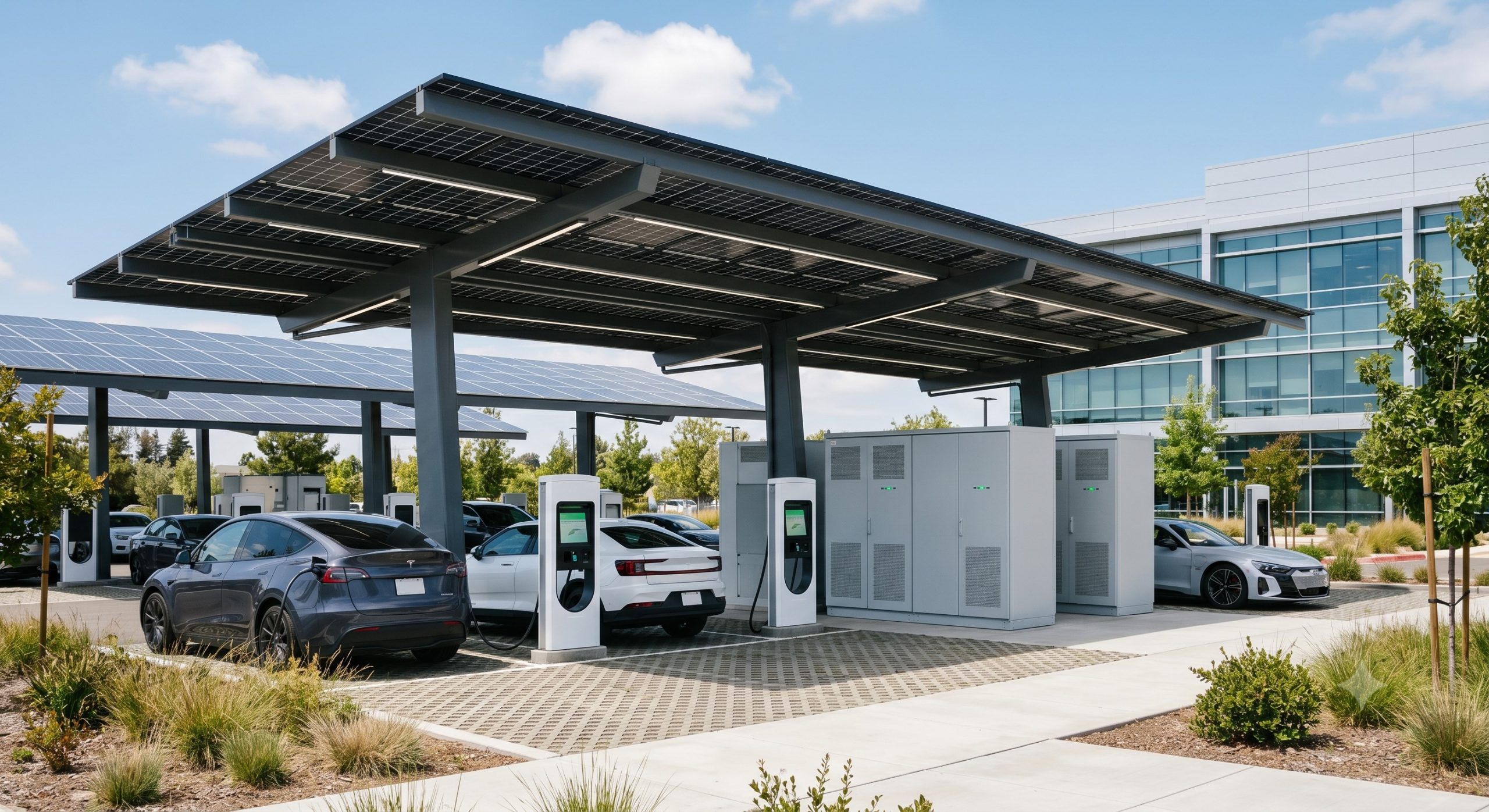
- EV supercharging stations (PV-storage-charging): 600kW DC fast chargers paired with 1.5MWh liquid-cooled BESS using pin terminal connections sustain 4C peak discharge without voltage sag. Real-world data from Shanghai site shows 98.7% availability and 32% lower grid demand charges.
- Industrial microgrids: Island-mode transition <20ms using pin terminals on PCS DC link and PV combiner boxes. A 5MW/20MWh facility in Texas achieved 99.99% uptime during grid outages.
- Data center backup: 2N redundant pin terminal connections in 750kWh cabinets provide <5% DoD degradation over 15 years of standby operation.
Conclusion: Future-Proofing Your C&I Energy Storage with Advanced Pin Terminals
As BESS system capacities scale to MWh-level per cabinet and liquid cooling becomes standard, the pin terminal must evolve from a commodity component to an engineered reliability asset. Specifying IEC 62619/UL 9540-certified pin terminals with >8000 cycles at 90% DoD, nickel-copper alloy, and integrated thermal monitoring directly improves LCOE, safety, and VPP readiness. For procurement leaders and system architects, prioritizing pin terminal quality in your BOM (Bill of Materials) ensures 10+ year asset performance and maximized ROI in the zero-carbon transition.