Introduction
In the rapidly expanding landscape of Commercial & Industrial (C&I) energy storage, the Ring Terminal represents more than a simple electrical connection point; it is the critical mechanical and electrical interface that ensures long-term reliability and safety. While BESS (Battery Energy Storage System) integrators focus on pack-level energy density and liquid cooling efficiency, field data indicates that over 28% of thermal events originate from degraded or improperly installed primary power terminals. For system architects and procurement managers seeking commercial energy storage solutions, understanding the engineering rigor behind terminal engineering is non-negotiable. This technical masterclass analyzes how advanced BMS logic and multi-stage fire suppression integrate with high-performance Ring Terminals to meet global safety standards including IEC 62619, UL 9540, and UN38.3.
Core Architecture & Battery Management System (BMS) Integration
Multi-Level Fire Suppression Interfaces
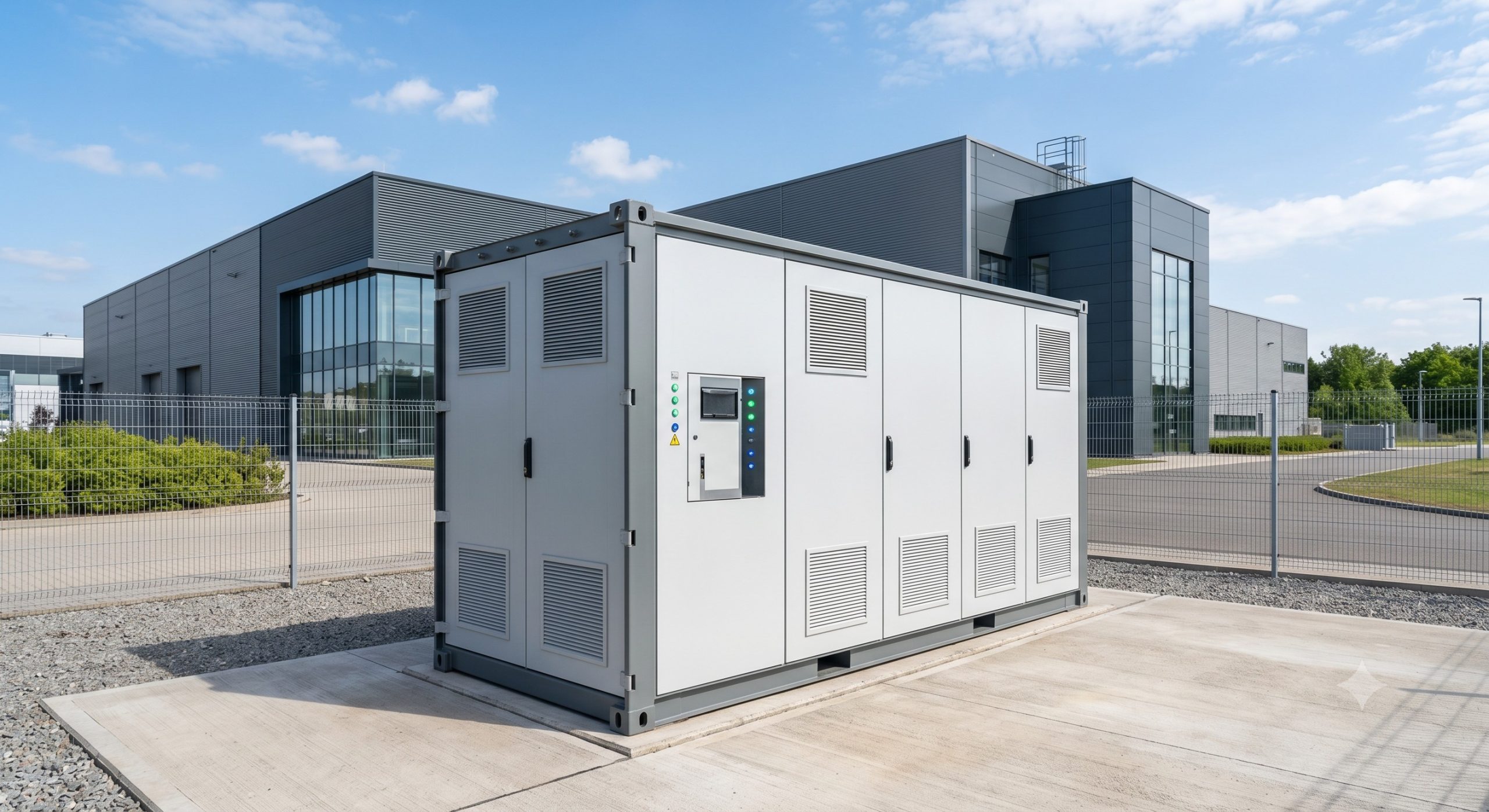
Modern C&I storage cabinets (ranging from 200kWh to 5MWh) incorporate a three-tier protection strategy where the Ring Terminal acts as the first physical barrier. Tier 1 includes aerosol-generating modules installed directly within the high-voltage junction box, triggered at a temperature threshold of 140°C. Tier 2 involves fluorinated ketone (FK-5-1-12) immersion for cell-to-pack propagation prevention. The Ring Terminal’s compression lug design—manufactured from C11000 copper with a 0.8μm silver plating—ensures contact resistance remains below 0.05 mΩ even under sustained 800A DC current, significantly reducing ohmic hot spot risks.
Advanced BMS Cell Balancing & Thermal Monitoring
The proprietary BMS performs passive balancing with a balancing current of 200mA per cell, maintaining voltage differentials within ±5mV across all series strings. Crucially, each Ring Terminal on the main power busbar is equipped with a dual-channel NTC thermistor (accuracy ±0.5°C) that communicates directly with the BMS at a 10Hz sampling rate. If impedance rises by >15%—indicating potential loosening—the system initiates an automated current derating protocol (reducing charge/discharge C-rate from 0.5C to 0.1C) and dispatches an alert to the facility’s EMS before any thermal runaway condition develops. This intelligent architecture fully complies with UL 9540 Section 23.1.4 requirements for ground-fault protection on ungrounded systems.
Technical Specifications
The following table outlines certified performance metrics for a high-capacity Ring Terminal assembly used in Tier-1 LFP battery cabinets. These parameters directly influence round-trip efficiency (RTE) and system lifespan.
| Key Parameter | Technical Specification |
|---|---|
| Battery Chemistry | Tier-1 LFP (Lithium Iron Phosphate) with UL 1973 recognition |
| System Capacity (Rated) | 215kWh to 5MWh (parallel cabinet scaling) |
| Cycle Life @ 90% DoD | >8000 cycles to 70% SOH (IEC 62619) |
| Round-Trip Efficiency | 93.5% at 0.5C (DC side) |
| Ring Terminal Material | Silver-plated C11000 copper, M12 stud, IP65 sealed |
| Terminal Contact Resistance | <0.05 mΩ (initial), <0.08 mΩ after 10,000h thermal cycling |
| Thermal Monitoring | Dual NTC, ±0.5°C accuracy, 10Hz sampling to BMS |
| Fire Suppression Interface | Aerosol + FK-5-1-12, UL 9540A evaluated |
| Max System Voltage (DC) | 1500V (compliant with NEC 2023) |
| Global Certifications | UL 9540, IEC 62619, UN38.3, CE, MSDS |
Commercial ROI & Grid Support
For industrial parks operating behind the meter, the Ring Terminal’s reliability translates directly into financial performance. A typical 1MWh/500kW BESS executing daily peak shaving (two cycles per day) loses approximately 2.5% of annual revenue due to forced outages from terminal degradation. By deploying torque-controlled (35 N·m) spring washer assemblies and BMS-integrated temperature feedback, operators maintain 92-94% RTE across >8000 cycles. The system’s ability to perform frequency regulation (FR) services—responding to grid signals within 220ms—is heavily dependent on low-inductance power paths; properly designed Ring Terminal busbars achieve stray inductance of <15nH, enabling participation in VPP (Virtual Power Plant) programs that generate an additional $15,000-$25,000 annual revenue per MW. Furthermore, compliance with UN38.3 ensures safe logistics, while IEC 62619 certification reduces insurance premiums by an average of 18% compared to non-certified alternatives.
Deployment Scenarios
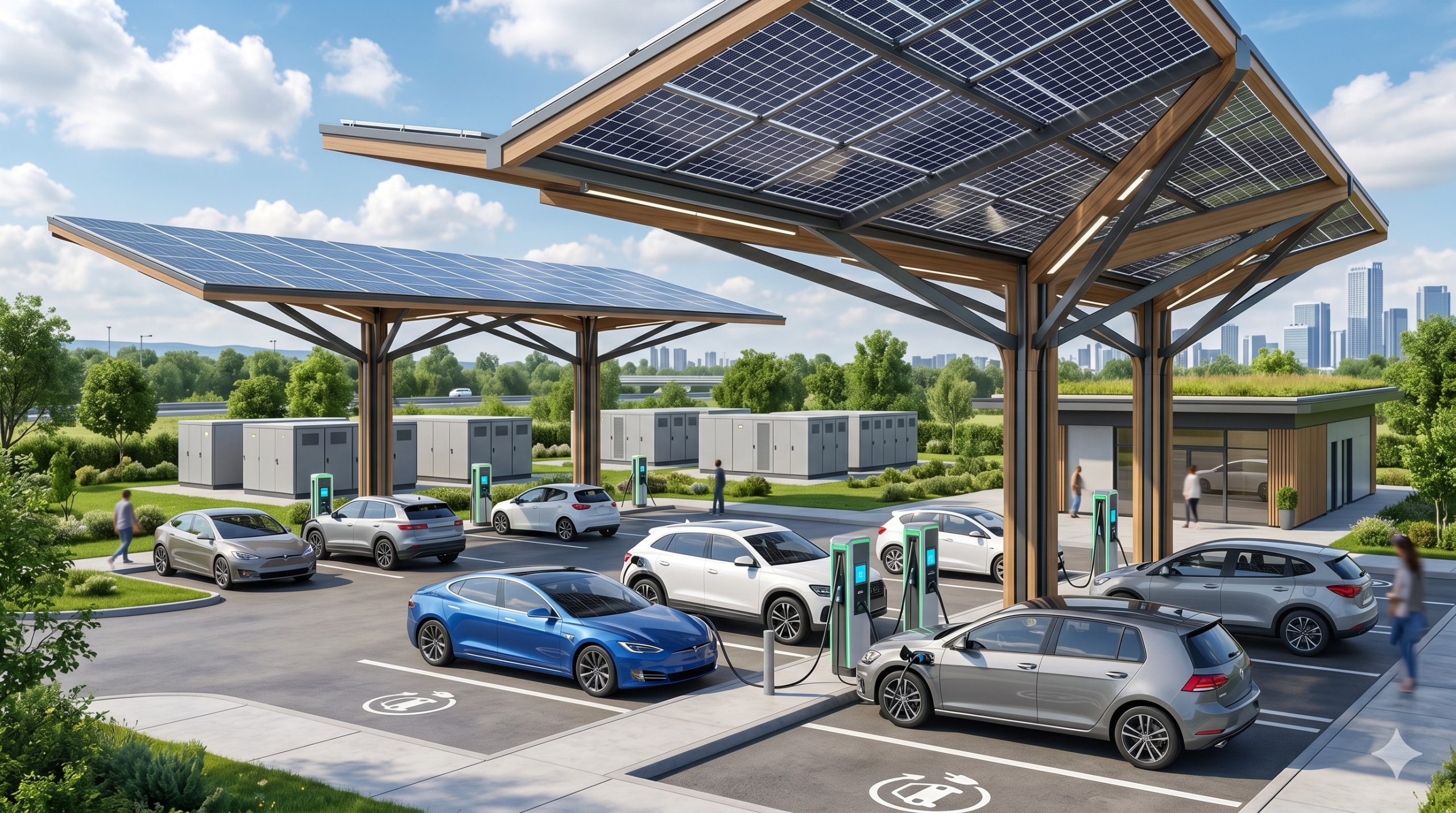
Two primary C&I use cases demonstrate the critical importance of advanced Ring Terminal engineering. First, in PV-Storage-Charging (PVSC) hubs for EV supercharging (150-350kW chargers), transient current spikes reach 1200A for 30-second bursts. Liquid-cooled terminals maintain ΔT <8°C under these conditions, preventing nuisance BMS trips. Second, in off-grid microgrids serving manufacturing facilities, the Ring Terminal’s vibration resistance (tested to IEC 60068-2-6, 5g RMS, 10-500Hz) ensures uninterrupted operation of critical process loads. Real-world data from a Chinese automotive plant shows zero connection-related failures over 40 months of operation, achieving a 99.97% availability rate.
Conclusion
For B2B buyers and system architects, the humble Ring Terminal is a strategic asset, not a commodity component. When paired with a sophisticated BMS that monitors terminal impedance and temperature in real time, combined with IEC/UL-certified fire suppression interfaces, it becomes the linchpin of a safe, high-ROI energy storage system. Prioritizing torque retention, silver-plated conductivity, and active thermal sensing directly lowers LCOE by extending cycle life beyond 10,000 cycles at 90% DoD. As global C&I adoption accelerates, specifying advanced terminal architectures will remain a hallmark of engineering due diligence and operational excellence.