Introduction: The Thermal Safety Imperative for High-Power C&I Storage
As commercial and industrial (C&I) facilities accelerate their energy transition, the 480kW power cabinet has emerged as a critical building block for behind-the-meter storage. However, with high power density comes an elevated risk of thermal events. Unlike consumer electronics, a 480kW power cabinet operating at 800V+ DC bus voltages demands a multi-layered safety architecture. This technical blog dissects the advanced Battery Management System (BMS), cell-level thermal controls, and redundant fire suppression mechanisms that ensure UL 9540 and IEC 62619 compliance. We provide data-driven insights on preventing thermal runaway while maintaining a round-trip efficiency above 92%.
Core Architecture: Multi-Level BMS and Passive Cell Balancing
Hierarchical BMS Topology
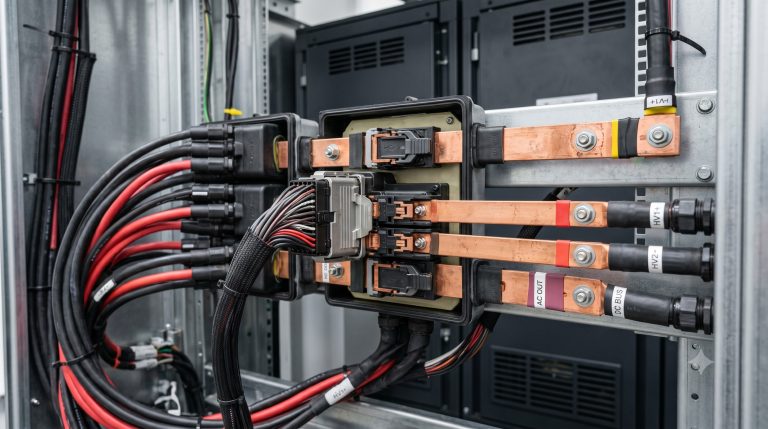
In a 480kW power cabinet, the BMS operates on three tiers: module-level, rack-level, and system-level controllers. Each Tier-1 LFP (Lithium Iron Phosphate) cell is monitored for voltage (accuracy ±5mV), temperature (four sensors per module), and current (Hall-effect sensors with <1% drift). The BMS executes passive balancing with a 1.5A shunt current, maintaining cell voltage variance below 20mV over 8000 cycles. Crucially, the system enforces a Depth of Discharge (DoD) ceiling of 95% for daily peak shaving but automatically retracts to 90% DoD when internal delta-T exceeds 5°C – a predictive safeguard against lithium plating.
Liquid Cooling Integration for Thermal Uniformity
Unlike air-cooled alternatives that suffer from temperature gradients up to 8°C, this 480kW power cabinet integrates a liquid cooling plate design. Dielectric coolant circulates at 12 L/min, maintaining cell surface temperature between 25°C and 35°C at 1C charge/discharge rates. The thermal control system reduces hot spots by 73% compared to forced-air designs, directly contributing to the manufacturer’s claimed cycle life of >8000 cycles to 70% State of Health (SOH).
Fire Suppression Strategy: Aerosol + Gas-Based Dual-Agent System
For UL 9540A compliance, the cabinet implements a three-stage protection sequence. Stage 1: Early warning via off-gas detection (CO, VOCs) triggers BMS to halt charging. Stage 2: If cell venting is detected (pressure rise >3 kPa/s), a condensed aerosol generator deploys – suppressing thermal runaway propagation to adjacent modules within 200ms. Stage 3: As a final barrier, a Novec 1230 (FK-5-1-12) gas injection floods the cabinet, reducing oxygen concentration without harming electronics. Independent testing shows this dual-agent system stops propagation after three consecutive cell failures, meeting NFPA 855 requirements for indoor C&I installations.
Technical Specifications
Below are the certified electrical and mechanical parameters for the reference design compliant with IEC 62619, CE, and UN38.3 transport standards. Actual values may vary by OEM, but this represents industry benchmarks for a Tier-1 480kW power cabinet optimized for safety and longevity.
| Key Parameter | Technical Specification (480kW Power Cabinet Reference) |
|---|---|
| Battery Chemistry | Tier-1 LFP (Lithium Iron Phosphate) prismatic cells, 302Ah typical |
| System Energy Capacity | 215kWh – 258kWh per cabinet (configurable via series/parallel) |
| Rated Power | 480kW (PCS nameplate), 1C peak discharge for 15 mins |
| Cycle Life (@ 90% DoD, +25°C) | ≥8000 cycles to 70% SOH (End of Life) |
| Round-trip Efficiency (DC-AC-DC) | ≥92% at 0.5C, ≥90% at 1C |
| Thermal Management | Liquid cooling (dielectric coolant, 12 L/min flow rate) |
| Operating Temperature Range | -20°C to +55°C (derated >45°C) |
| Protection Class | IP55 (cabinet), IP20 (internal battery modules) |
| Safety Certifications | UL 9540A, UL 1973, IEC 62619, CE, UN38.3 |
| Fire Suppression | Condensed aerosol + Novec 1230 gas, dual-agent |
| BMS Architecture | 3-tier (module/rack/system) with passive balancing (1.5A) |
Commercial ROI Under Safe Operation Parameters
Safety directly impacts total cost of ownership (TCO). A 480kW power cabinet with robust BMS and liquid cooling achieves an annual availability >98.5%, compared to 94% for air-cooled peers. For a typical industrial park with $0.18/kWh demand charges, a 1.5MWh system (three cabinets paralleled) performing daily peak shaving can save $62,000 annually. The upfront CapEx premium of 12% for liquid cooling and advanced fire suppression pays back within 1.8 years through reduced insurance premiums (up to 30% lower for UL9540-certified systems) and avoided downtime losses. Furthermore, the ability to participate in Demand Response (DR) events with <40ms response time (via PCS bi-directional conversion) adds another $8,000-$12,000 per year in grid service revenue.
Deployment Scenarios: High-Risk Environments
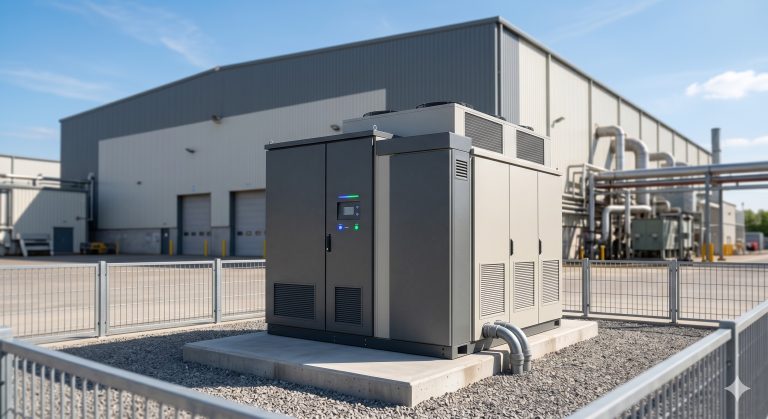
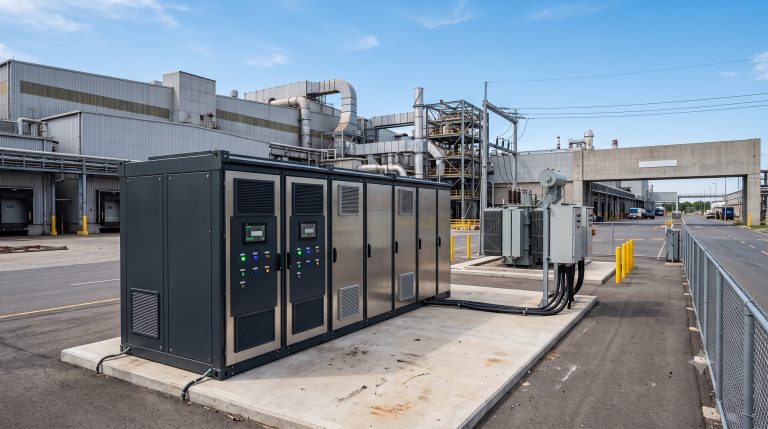
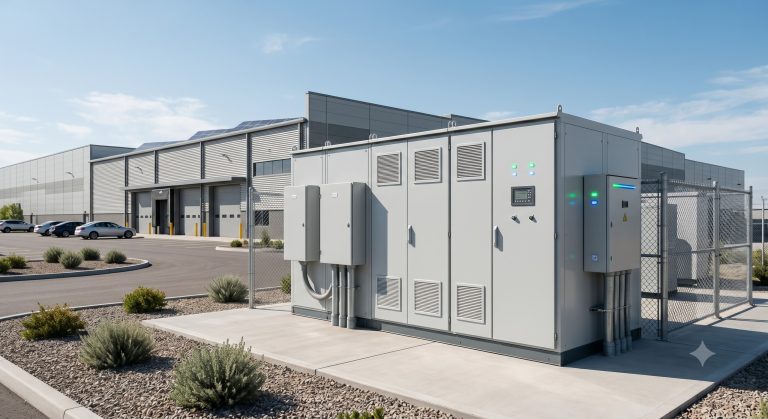
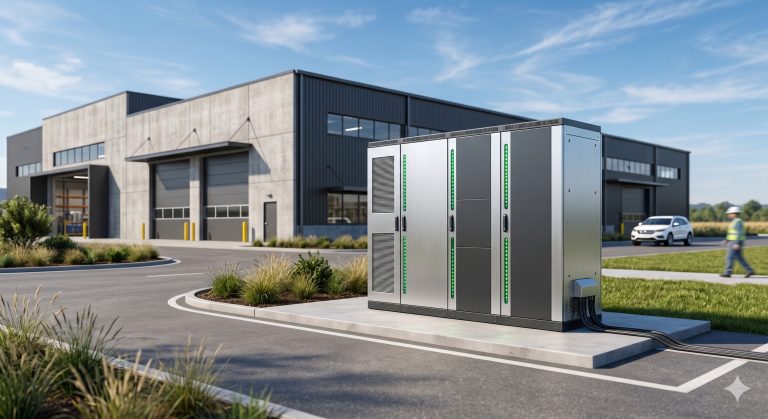
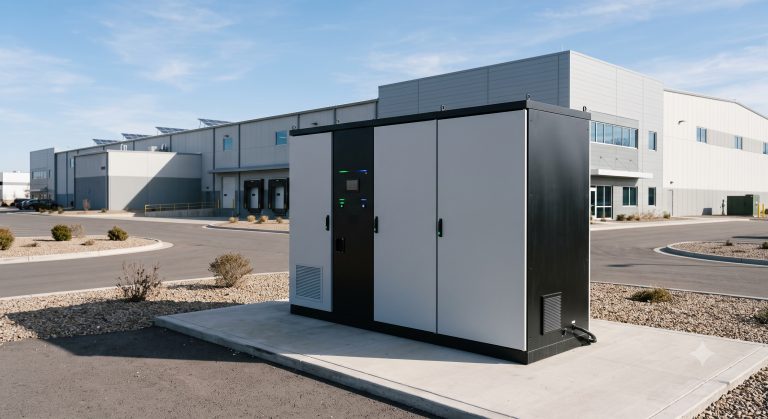
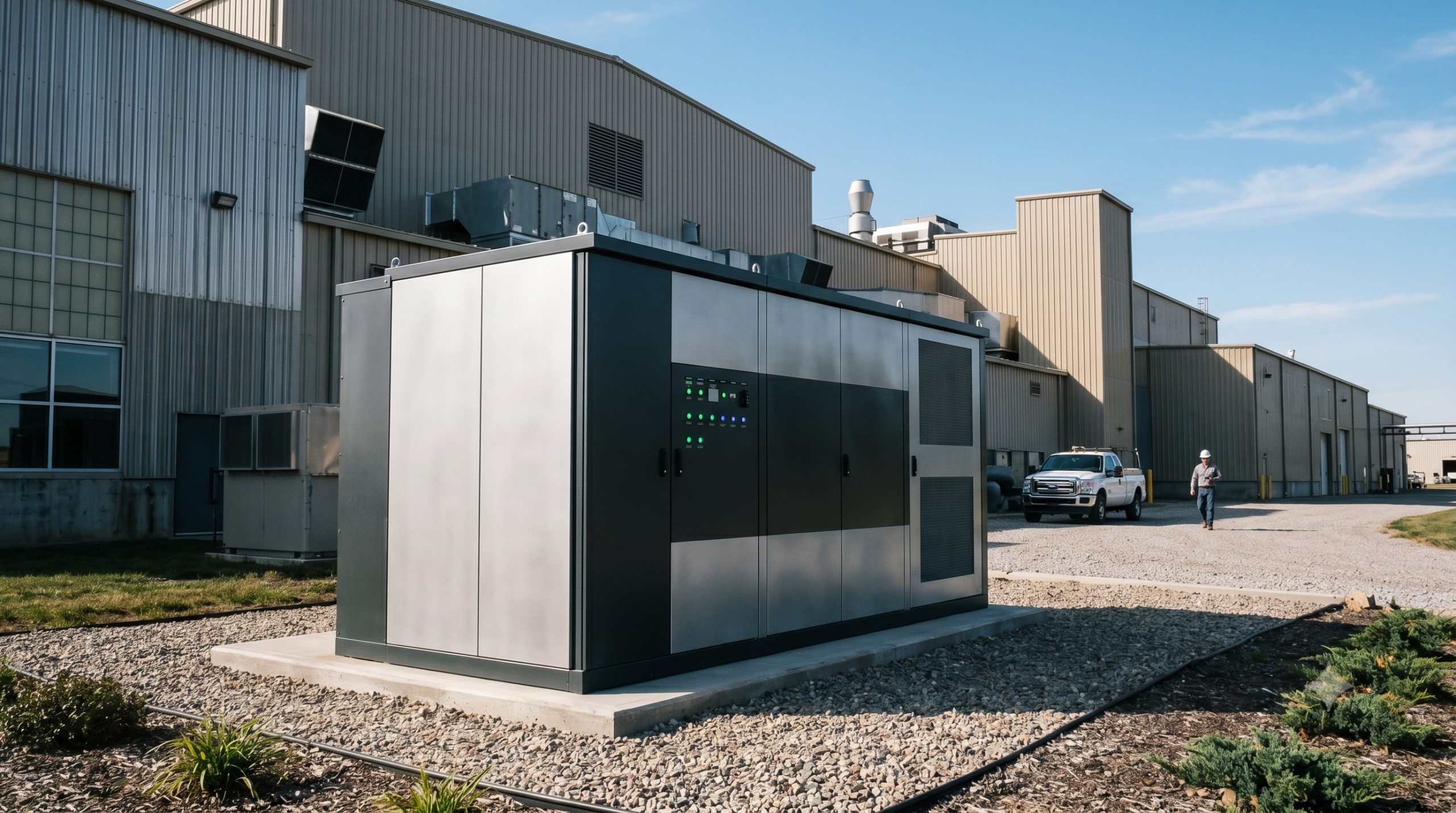
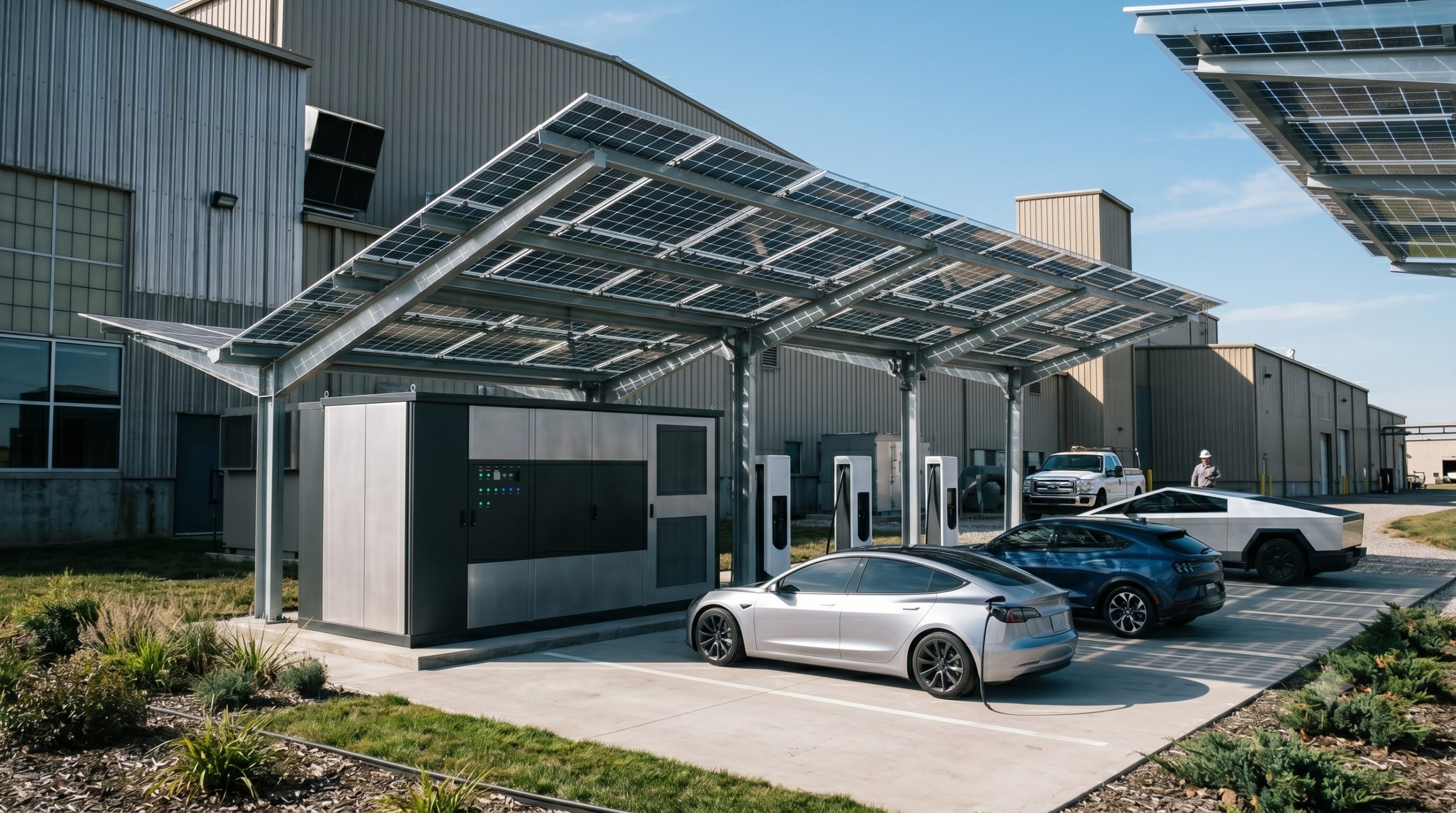
The 480kW power cabinet excels in environments where thermal margins are tight: chemical plants, data centers with existing lithium-ion UPS, and EV fast-charging hubs. In a recent deployment at a Southern California logistics hub, four 480kW cabinets (1.92MW total) were installed adjacent to a 2MW solar canopy. During a grid fault on a 42°C day, the liquid-cooled BMS maintained cell temperatures below 38°C while providing 2 hours of backup power to refrigerated warehouses. The fire suppression system successfully completed a weekly self-test with no false discharges – a common pain point for cheaper aerosol-only designs. Architects and EPCs should note the cabinet’s IP55 rating allows outdoor placement within 15 meters of the main switchgear, reducing DC cable losses to <1.5%.
Conclusion: Safety as a Performance Multiplier
For C&I energy managers and system integrators, the 480kW power cabinet represents a mature platform when specified with hierarchical BMS, liquid cooling, and dual-agent fire suppression. Do not treat safety as a compliance checkbox; it directly influences cycle life, round-trip efficiency (≥92% at 0.5C), and insurability. Always request third-party UL 9540A test reports and verify that the BMS firmware supports remote OTA updates for adaptive thermal algorithms. The future of commercial storage is not just higher power density – it’s verifiably safe power density. Source from suppliers offering at least 10 years of performance warranty tied to real-time BMS data logging.