FACTORY INFRASTRUCTURE OBJECTIVES
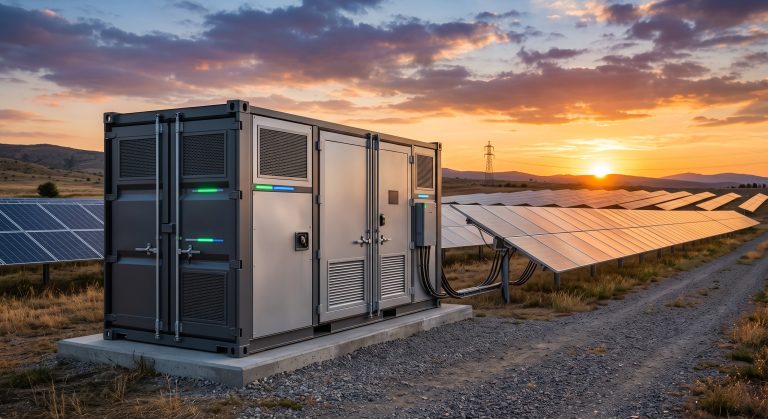
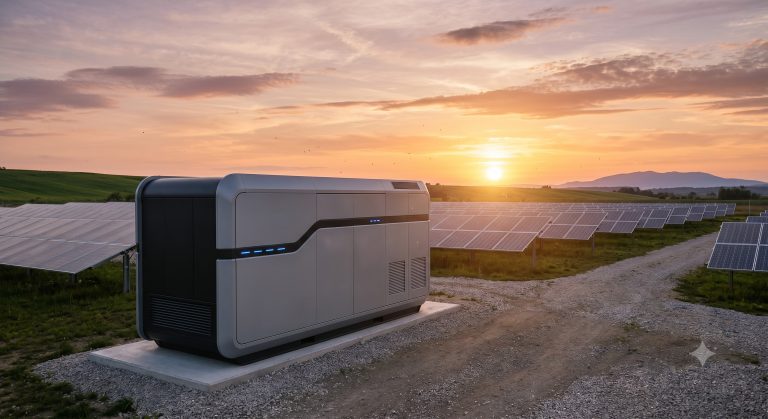
The Factory Cleanroom Class-100,000 Certification represents a critical operational benchmark for advanced energy storage manufacturing and deployment environments. Under ISO 14644-1 and US FED-STD-209E classifications, a Class-100,000 cleanroom permits no more than 100,000 particles per cubic foot of air (≥0.5 µm), delivering a controlled contamination environment essential for high-precision lithium-ion cell assembly, electrolyte filling, module stacking, and BMS calibration. This application note outlines the integration of Class-100,000 certified manufacturing infrastructure with MWh-scale commercial and industrial (C&I) energy storage platforms, ensuring that every Tier-1 LFP cabinet, liquid-cooled battery pack, and PCS module is produced under audited particulate, temperature, and humidity control.
HIGH-DURABILITY ARBITRAGE ARCHITECTURE
The Class-100,000 certification framework supports continuous arbitrage operations by guaranteeing that cell-to-pack consistency remains within ±1.5% capacity deviation. The cleanroom environment minimizes metallic particle contamination, which is a leading cause of internal short circuits and premature capacity fade. By integrating positive-pressure airlocks, HEPA H13 filtration stages, and real-time particle counters, the facility achieves a 99.97% filtration efficiency for 0.3 µm particles. This architecture directly enables a 6,000-cycle @ 80% DoD warranty threshold and a 98.5% round-trip efficiency retention at the system level.
ANTI-RUNAWAY FEATURES
The Class-100,000 cleanroom incorporates multi-level thermal runaway suppression protocols. During cell stacking and module assembly, oxygen concentration is maintained below 2% in inert glovebox zones. The facility is equipped with early gas detection (VOC and CO sensors), automatic aerosol fire suppression, and pressure-relief ducting. These measures ensure that any anomalous thermal event is isolated within a 1 m³ zone, preventing propagation across the 215 kWh / 372 kWh cabinet lines.
COMPREHENSIVE SPECS
Nominal Capacity: 215 kWh / 372 kWh per cabinet
Cooling Method: Smart Liquid Cooling (50% glycol-water loop)
Cell Chemistry: Tier-1 LFP (LiFePO4)
Cleanroom Class: ISO 14644-1 Class 8 (FED-STD-209E Class-100,000)
Particle Limit: ≤100,000 particles/ft³ (≥0.5 µm)
Air Changes Per Hour: 25–60 ACH with HEPA H13
Temperature Control: 22 ± 2 °C
Relative Humidity: 45 ± 5% RH
Positive Pressure: 10–15 Pa relative to adjacent zones
Fire Suppression: Novec 1230 + aerosol hybrid
BMS Communication: CAN 2.0B / Modbus TCP
Ingress Protection: IP54 (cabinet) / IP67 (module)
Certification: UL 9540, IEC 62619, UL 1973, CE
| Parameter | Specification |
|---|---|
| Cleanroom Classification | ISO 14644-1 Class 8 / FED-STD-209E Class-100,000 |
| Particle Limit (≥0.5 µm) | ≤100,000 particles per cubic foot |
| Air Filtration | HEPA H13, 99.97% @ 0.3 µm |
| Air Changes Per Hour | 25–60 ACH |
| Temperature Range | 22 ± 2 °C |
| Relative Humidity | 45 ± 5% RH |
| Positive Pressure | 10–15 Pa |
| Nominal Capacity | 215 kWh / 372 kWh per cabinet |
| Cooling Method | Smart Liquid Cooling |
| Cell Chemistry | Tier-1 LFP |
| Cycle Life | ≥6,000 cycles @ 80% DoD |
| Round-Trip Efficiency | ≥98.5% (DC-DC) |
| Certification | UL 9540, IEC 62619, UL 1973, CE |
REGULATORY DIRECTIVES
The Factory Cleanroom Class-100,000 Certification aligns with the following regulatory and quality directives: ISO 14644-1:2015 (Cleanrooms and associated controlled environments), US FED-STD-209E (Airborne particulate cleanliness classes), IEC 62619:2022 (Safety requirements for industrial lithium batteries), UL 9540:2023 (Energy storage systems and equipment), NFPA 855 (Installation of stationary energy storage systems), and ISO 9001:2015 (Quality management systems). Compliance is verified through quarterly third-party audits, continuous particle monitoring, and annual airborne microbial testing.
C&I TOPOLOGY
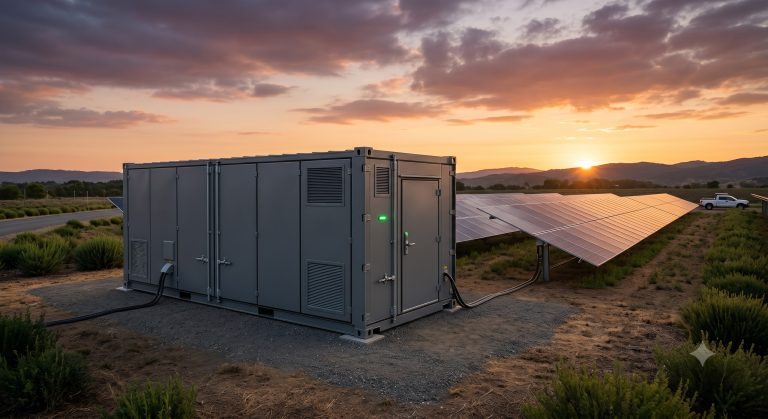
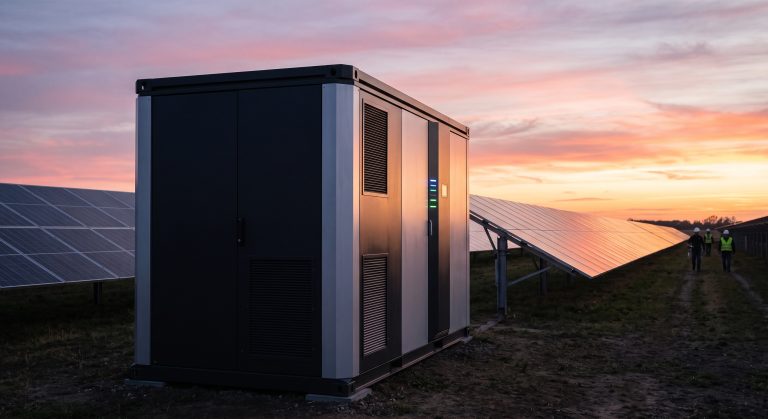
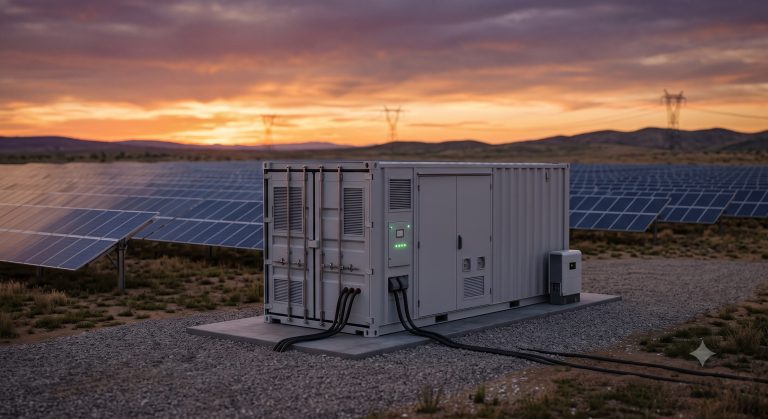
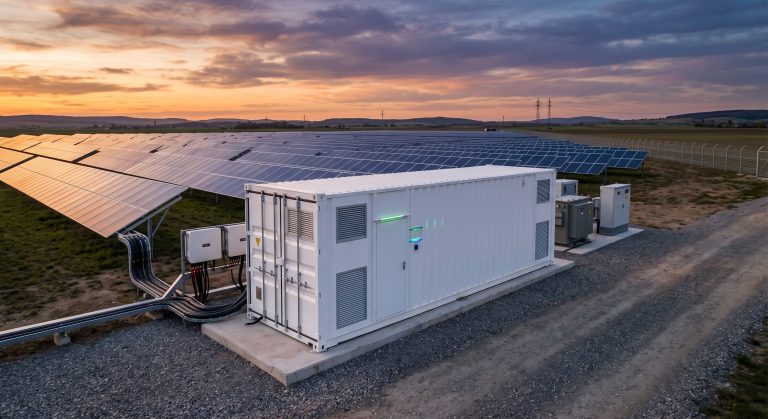
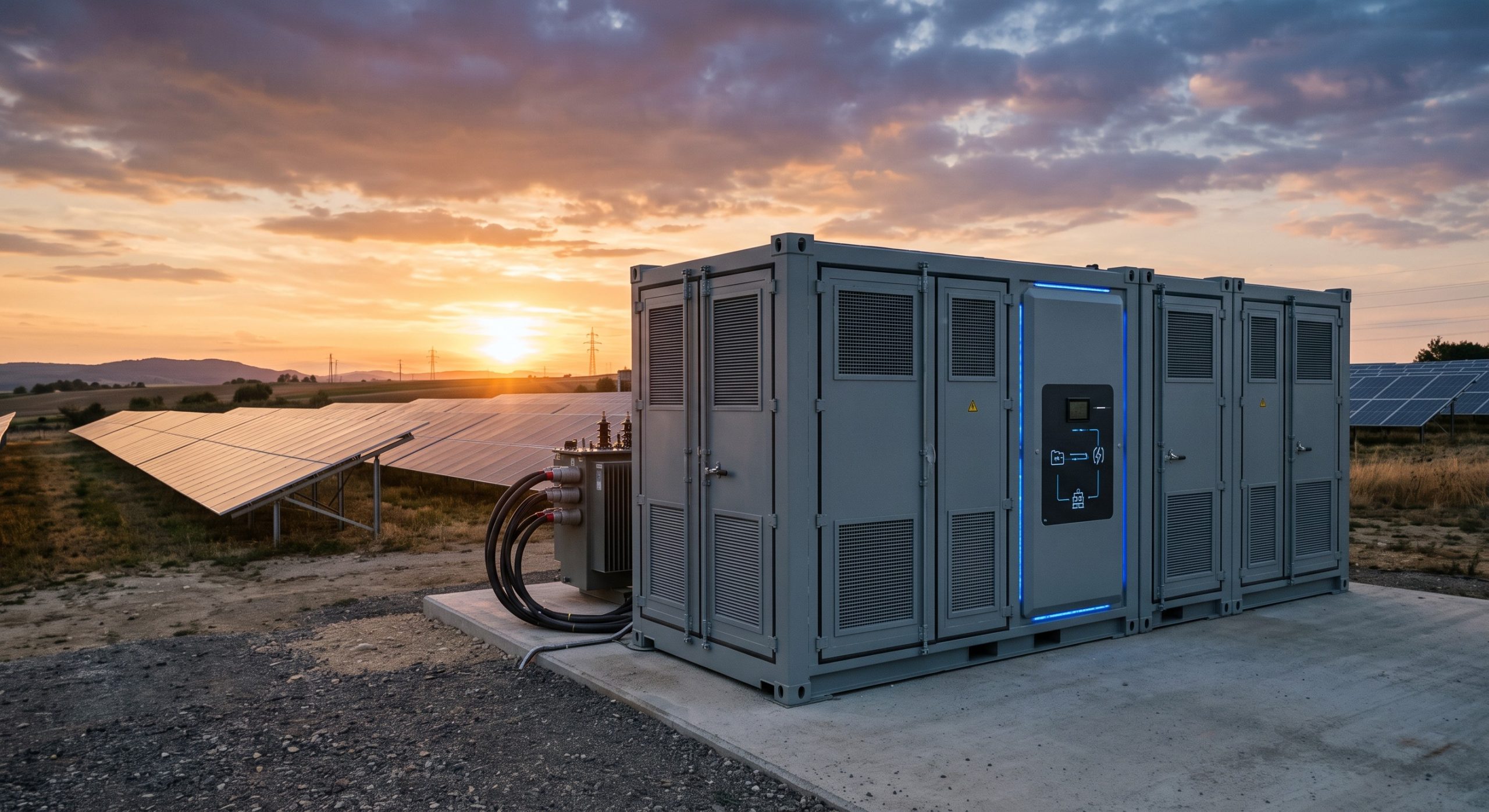
The C&I topology integrates the Class-100,000 certified manufacturing output with a modular outdoor cabinet architecture. Each cabinet houses 8–12 LFP modules in a 1P48S configuration, managed by a three-level BMS (cell, module, rack). The DC busbar supports parallel expansion up to 20 cabinets, yielding 4.3 MWh to 7.4 MWh per cluster. The PCS interface operates at 1,500 V DC maximum and 690 V AC grid-tied output, with seamless transfer to island mode within 20 ms. The EMS layer provides peak shaving, demand response, and time-of-use arbitrage scheduling via cloud and local HMI.
📥 Download Technical Specification
Click the button below to view or download the full official PDF datasheet.