TURNKEY C&I ENERGY STORAGE SOLUTION BRIEF: DEPLOYING DANGEROUS GOODS TRANSPORTATION APPRAISAL REPORT
EXECUTIVE SUMMARY
This document serves as the official commercial technical overview and datasheet for the Dangerous Goods Transportation Appraisal Report (DG-TAR) as it pertains to the deployment, logistics, and regulatory compliance of our Tier-1 LFP-based energy storage systems (ESS). The DG-TAR is a critical prerequisite for the global shipping, handling, and installation of containerized and cabinet-style battery energy storage solutions. It certifies that the complete ESS assembly—including battery modules, cooling fluids, and electronic components—complies with the United Nations Recommendations on the Transport of Dangerous Goods, Model Regulations (UN Model Regulations) and relevant international modal regulations (IMDG, ADR, RID, ICAO-TI).
This document provides engineers, logistics managers, and procurement officers with a comprehensive overview of the appraisal’s scope, the testing and classification methodologies employed, and a detailed specification sheet of the certified system. The appraisal is conducted by a designated UN-recognized competent authority or an authorized testing laboratory, ensuring global acceptance and facilitating seamless cross-border trade.
SYSTEM ARCHITECTURE & SAFETY CLASSIFICATION
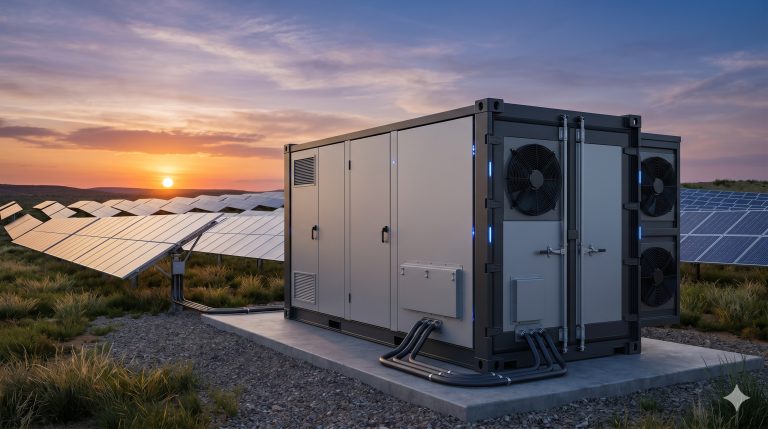
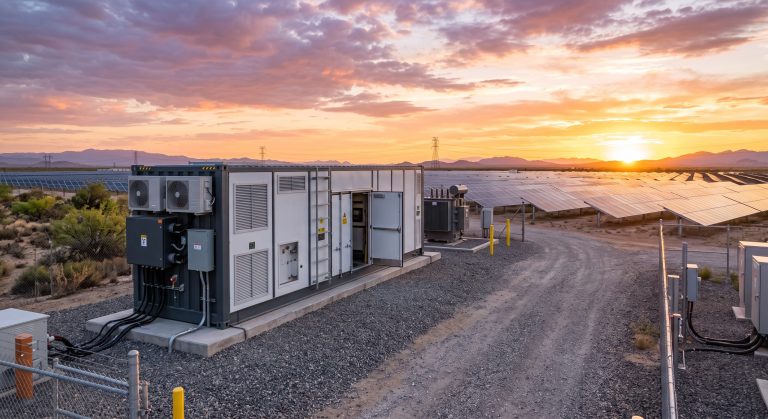
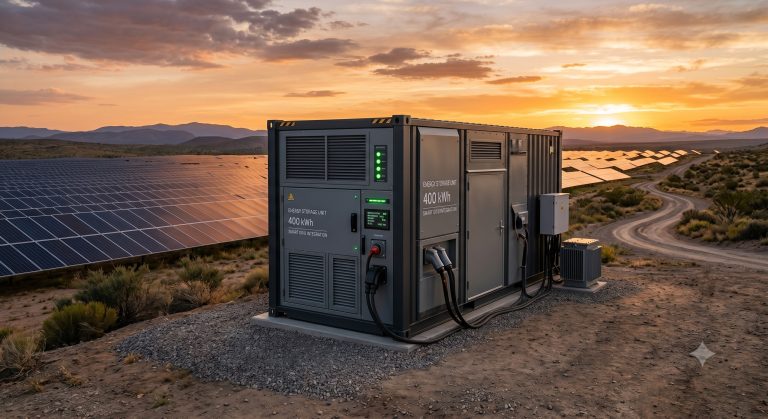
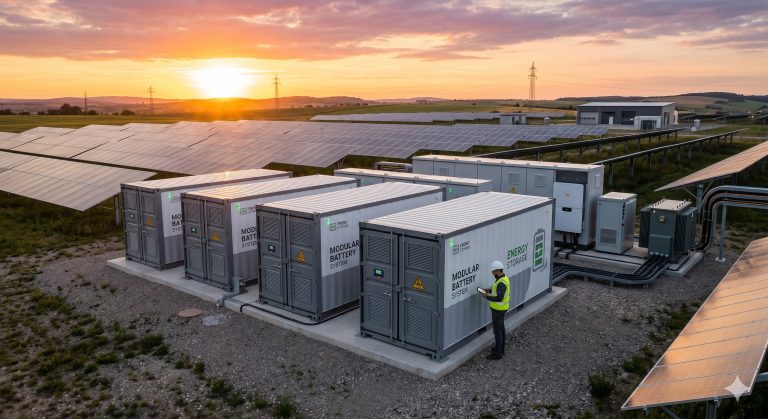
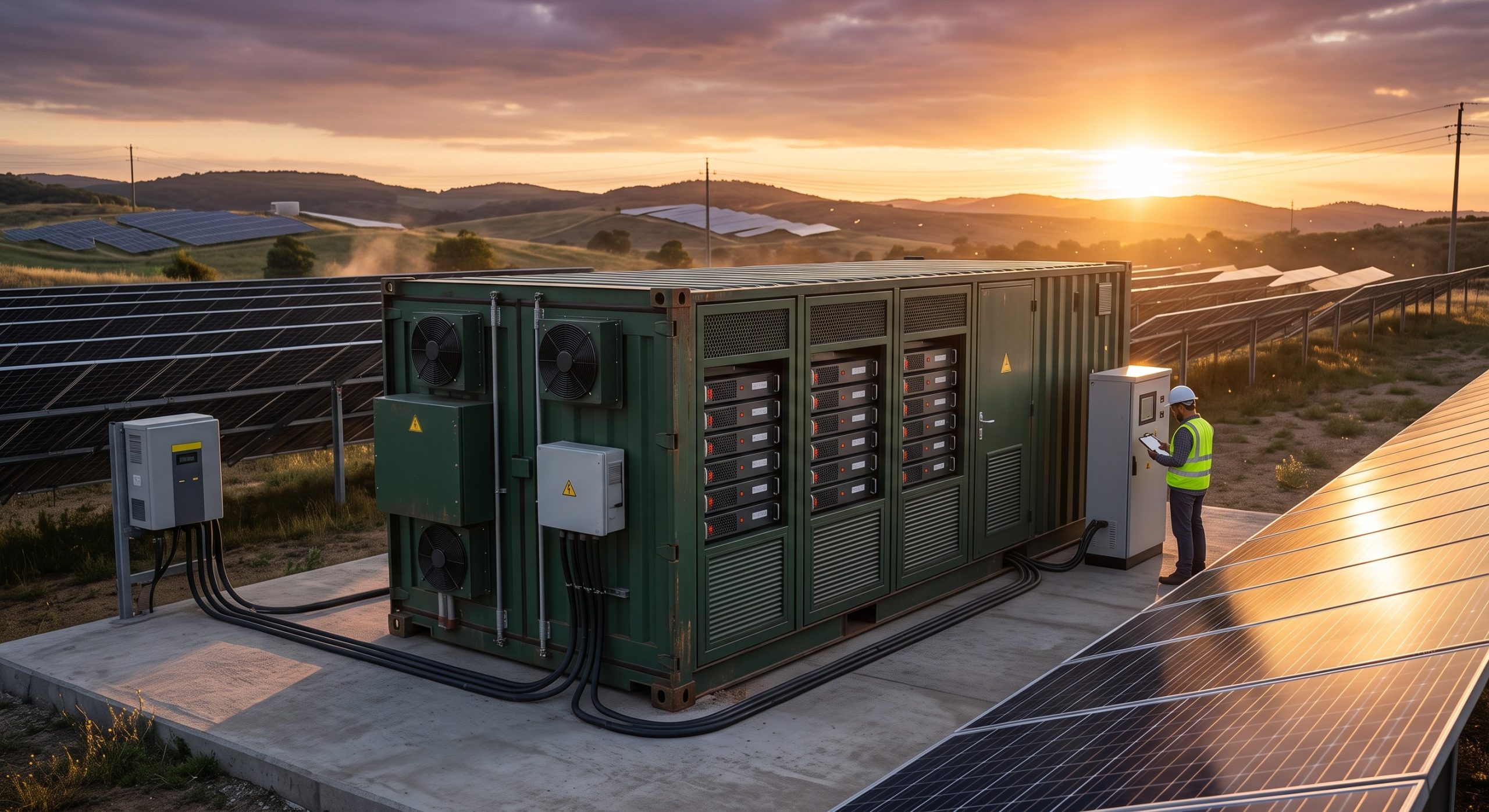
The Dangerous Goods Transportation Appraisal Report is not a component of the ESS but a standalone dossier that validates the system’s compliance for transport. The appraisal process is based on the completed and fully integrated ESS, as the unit is shipped as a complete assembly. Our standard containerized ESS (e.g., 20-foot and 40-foot ISO containers) and outdoor cabinets are assessed as a single entity.
Key elements of the appraisal include:
– **Classification and Identification:** The system is assigned a proper shipping name (PSN), UN number, and hazard class based on its primary lithium-ion battery component. The classification process, per UN Manual of Tests and Criteria, Part III, Sub-section 38.3, determines whether the system is subject to the full dangerous goods regulations or is eligible for exemptions (e.g., UN 3480 or UN 3481).
– **Packaging and Overpack Review:** The appraisal verifies the integrity of the container itself as a packaging or overpack. This includes a review of structural strength, internal securing mechanisms for the battery racks and electronic modules, and the ability to withstand the rigors of transport (vibration, compression, impact).
– **Thermal Runaway & Pressure Management:** As part of the classification, the report includes a summary of the system’s ability to manage potential thermal events. This is not a fire test but a classification based on the battery’s thermal stability profile. The report confirms the system’s design incorporates adequate venting and pressure relief to prevent catastrophic failure during transport.
– **Labeling and Marking Requirements:** The DG-TAR provides explicit instructions for the required hazard labels, UN specification marks on packaging, and environmental hazard markings (e.g., marine pollutant) that must be affixed to the exterior of the transport unit.
KEY FEATURES
– **Global Regulatory Compliance:** The appraisal is issued in accordance with international guidelines, ensuring that the transport documentation is recognized by port authorities, shipping lines, and customs officials worldwide, streamlining logistics and reducing hold-ups.
– **Simplified Logistics:** By pre-classifying the ESS system, the DG-TAR simplifies the dangerous goods shipping process. It provides a single, clear, and authoritative reference for all parties in the transport chain, from the freight forwarder to the receiving terminal operator.
– **Enhanced Safety & Liability:** The appraisal is a testament to our commitment to safety. It minimizes the risk of misdeclaration, which can lead to severe penalties, fines, and significant liability in the event of an incident. It assures insurance providers and project stakeholders that the system is handled according to the highest safety standards.
– **Turnkey Compliance:** The appraisal covers the entire system, not just individual cells. This holistic approach includes the Battery Management System (BMS), thermal management fluid, and power conversion system (PCS) as part of the assessment, guaranteeing the unit’s overall integrity.
– **Risk Mitigation:** The report details the specific hazard class and packing group, enabling transport risk assessments, appropriate stowage planning (e.g., segregation from other dangerous goods), and emergency response preparation.
COMPLIANCE & STANDARDS
The Dangerous Goods Transportation Appraisal Report is anchored in a robust framework of international regulations and standards. It is a mandatory document for any entity shipping lithium-ion batteries as cargo. The report is generated through a rigorous process that adheres to the following:
– **UN Model Regulations:** The foundational text for all dangerous goods transport. The appraisal confirms compliance with the latest version of the UN Model Regulations (e.g., Rev. 23 or current).
– **UN Manual of Tests and Criteria:** Specifically, the tests and procedures laid out in Part III, Sub-section 38.3 for lithium batteries. The report includes a summary of the test results and demonstrates that the battery modules have passed all relevant tests (T.1-T.8).
– **International Maritime Dangerous Goods (IMDG) Code:** For sea transport, the DG-TAR ensures the system’s documentation meets the IMDG Code’s requirements for stowage, segregation, and handling aboard vessels.
– **European Agreement concerning the International Carriage of Dangerous Goods by Road (ADR) & Regulations concerning the International Carriage of Dangerous Goods by Rail (RID):** For overland transport within Europe and beyond, the appraisal confirms the system’s packaging and marking compliance.
– **IATA Dangerous Goods Regulations (DGR):** For air transport of smaller ESS units or components, the appraisal provides the necessary classification for compliance, though full-container sea freight is the primary mode for MWh-scale systems.
– **IEC 62619:** The appraisal references the cell and battery system’s compliance with IEC 62619 (Secondary cells and batteries containing alkaline or other non-acid electrolytes – Safety requirements for secondary lithium cells and batteries), providing a technical basis for the classification.
TECHNICAL SPECIFICATIONS
| Parameter | Specification (for 20-ft Container ESS) |
|---|---|
| Proper Shipping Name (PSN) | LITHIUM ION BATTERIES (including lithium ion polymer batteries) |
| UN Number / Hazard Class | UN 3480 / Class 9 (Miscellaneous dangerous goods) |
| Packing Group | II (when tested per 38.3) |
| Cell Chemistry | Tier-1 LFP (Lithium Iron Phosphate) |
| Total System Energy (Typical) | 2.0 MWh – 2.5 MWh |
| System Voltage (DC) | Nominal: 1300 Vdc |
| Thermal Management Fluid | Non-flammable dielectric fluid (glycol-water mix for coolant loop) |
| Packaging Type | ISO Container (overpack); UN-rated if required by ADR/RID |
| Test Summary (38.3) | All tests (T.1 – T.8) passed; See Section 5 of Report for details |
| Marine Pollutant | No (the system is not classified as a marine pollutant under the current IMDG Code) |
| Temperature Range (Transport) | -20°C to +55°C (based on cell data and system design) |
📥 Download Technical Specification
Click the button below to view or download the full official PDF datasheet.