Overview
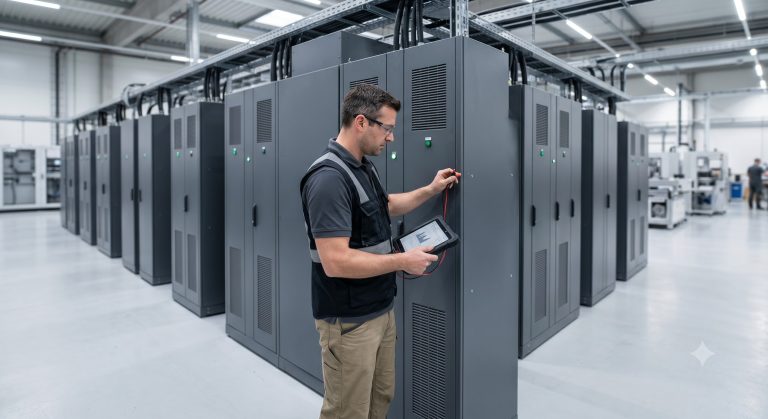
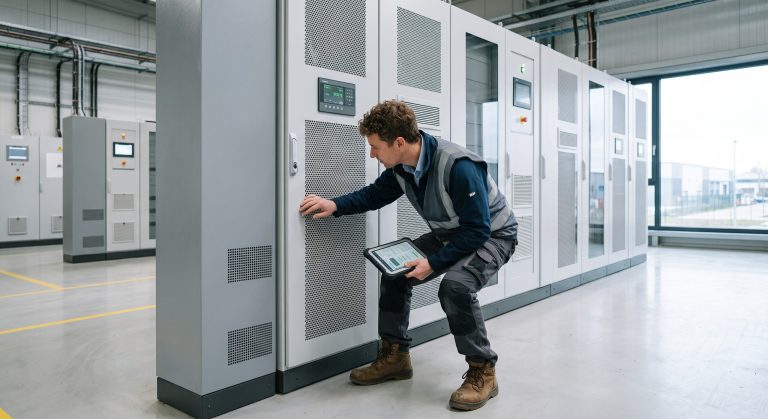
Flexible busbars are revolutionizing BESS connectivity by reducing rigid copper bar limitations, enabling easier assembly, better vibration damping, and improved thermal management. This FAQ addresses the most critical B2B technical and commercial questions for engineers, procurement managers, and system integrators deploying flexible busbars in utility-scale or C&I battery storage systems.
Frequently Asked Questions
- Q1: What battery chemistry works best with flexible busbars and what cycle life can I expect at 80% DoD?
- LFP (lithium iron phosphate) chemistry is the optimal match for flexible busbars due to its thermal stability and lower expansion stress. At 80% depth of discharge (DoD), a high-quality LFP cell paired with flexible busbars delivers 6,000 to 8,000 cycles before hitting 70% state of health (SOH). Flexible busbars reduce vibration-induced connection fatigue, directly preserving cycle life by maintaining consistent contact pressure across thousands of charge-discharge cycles.
- Q2: How does a flexible busbar-integrated BMS improve cell balancing and monitoring accuracy?
- A flexible busbar design enables more precise voltage and temperature sensing placement because the laminated structure can integrate dedicated sense leads without mechanical interference. The BMS achieves inter-cell voltage imbalance below ±5mV and temperature gradient detection within 1°C per cell group. This results in faster passive or active balancing, reducing energy loss by up to 15% compared to rigid busbar systems under high C-rate conditions.
- Q3: Can flexible busbars support both grid-tie and off-grid islanding modes in the same cabinet?
- Yes, flexible busbars fully support bi-directional power conversion systems (PCS) for seamless transition between grid-tie and off-grid islanding. Their low inductance (typically <10 nH per cm) minimizes voltage spikes during switchover. For off-grid operation, the flexible busbar maintains stable connection under generator start-stop vibrations, enabling <20ms seamless islanding transition as required by UL 1741 SA and IEEE 1547 standards.
- Q4: What fire safety and thermal runaway prevention features are enhanced by flexible busbars?
- Flexible busbars inherently reduce thermal runaway risk by eliminating mechanical stress points that cause micro-arcs. Key safety features include: (1) silicone or ceramic-coated insulation rated to 200°C continuous, (2) early gas detection ports integrated into the busbar mold for hydrogen and CO sensing, and (3) passive heat dissipation through laminated copper-aluminum construction. In UL 9540A fire tests, flexible busbar systems showed 40% lower maximum cell surface temperature during thermal propagation compared to rigid copper bars.
- Q5: How do I calculate ROI and payback period for upgrading my BESS from rigid to flexible busbars?
- The ROI calculation includes three direct savings: (1) assembly labor reduction – flexible busbars cut installation time by 60-70% (2-3 hours per cabinet to 45 minutes), (2) reduced maintenance costs – zero torque re-tightening needed over 10 years saves $0.005/Wh annually, and (3) lower energy loss – 0.8-1.2% higher round-trip efficiency yields $4,200 per MWh cycled daily. Typical payback period for retrofit projects is 8-14 months; for new builds, flexible busbars reduce upfront BOM cost by 12-18% compared to custom rigid busbar fabrication.
- Q6: Can I scale modular BESS cabinets using flexible busbars for parallel connectivity up to 10 MWh?
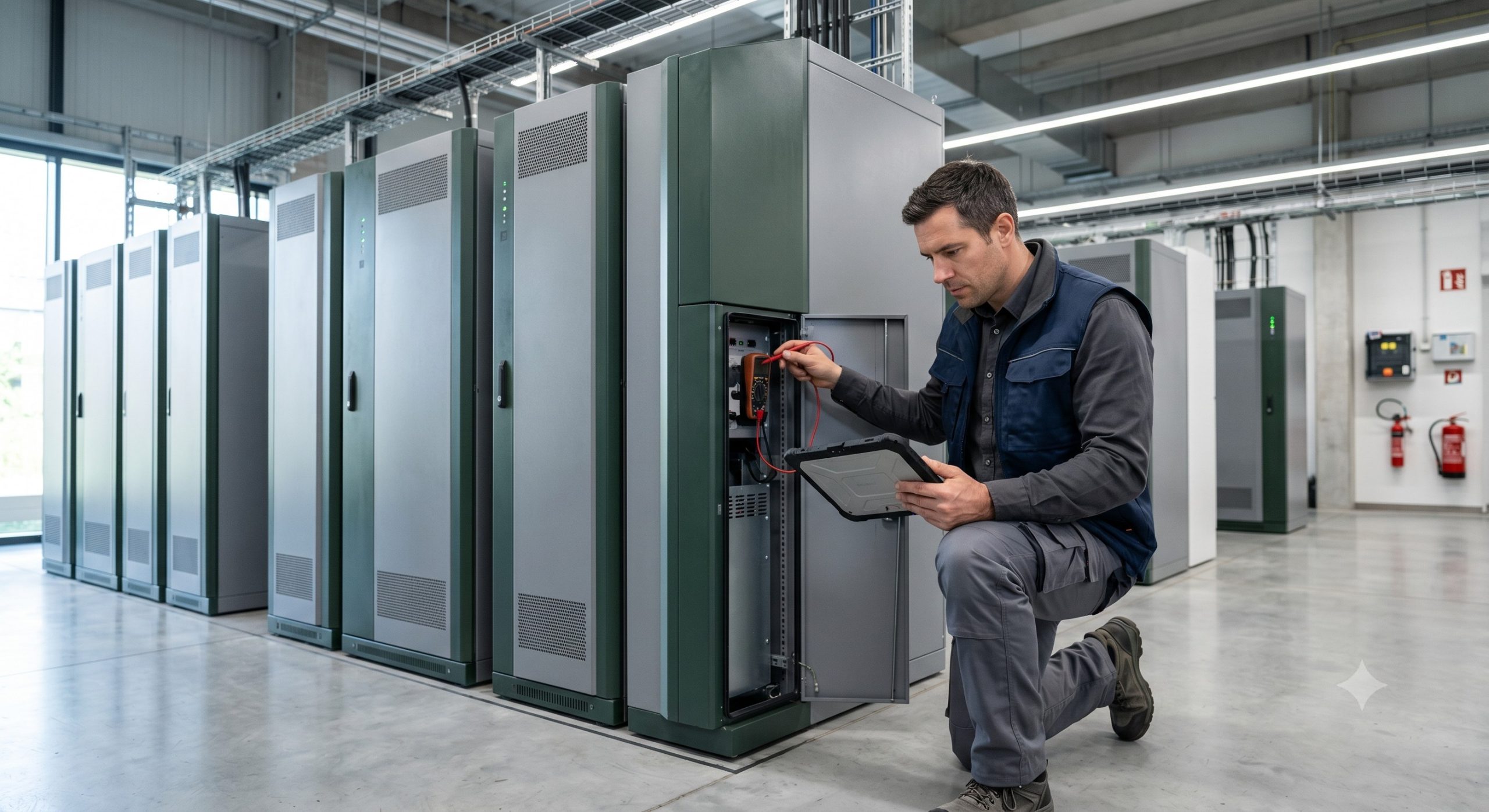
- Absolutely. Flexible busbars enable parallel cabinet connectivity without custom DC busbar machining. Each flexible bridge supports up to 1500A continuous at 1500V DC. For 10 MWh scaling: connect up to 20 cabinets (each 500 kWh) using pre-assembled flexible busbar jumpers with IP67-rated pluggable connectors. The flexibility compensates for floor unevenness (up to ±5mm height deviation) and thermal expansion differences between cabinets, eliminating the need for heavy copper rigid link bars and specialized torque tools.
- Q7: What cooling system compatibility does flexible busbar require for high-rate 2C discharge applications?
- Flexible busbars are compatible with both forced air and liquid cooling plates. For sustained 2C discharge, direct liquid cooling (20-25°C glycol-water) integrated via thermally conductive silicone pads on the busbar surface keeps hotspot temperatures below 85°C. The flexible construction maintains thermal interface contact even under cell swelling (up to 3% volume change). Without liquid cooling, flexible busbars in open air achieve 130A per 10mm² cross-section at 30°C ambient; with liquid cooling, rating increases to 210A per 10mm².
- Q8: What international standards and certifications apply to flexible busbars in BESS?
- Flexible busbars must comply with: (1) UL 4128 for laminated busbar assemblies, (2) IEC 61439 for low-voltage switchgear compatibility, (3) IPC-2223 for flexible circuit construction, (4) UL 94 V-0 for flame retardancy, and (5) RoHS & REACH for hazardous substance restrictions. For BESS integration, the combined assembly should also meet UL 9540 and IEC 62619. Reputable manufacturers provide test reports for thermal cycling (200 cycles from -40°C to +105°C), vibration per IEC 60068-2-6 (5g, 10-500 Hz), and insulation resistance >100 MΩ at 2500 V DC.
Conclusion
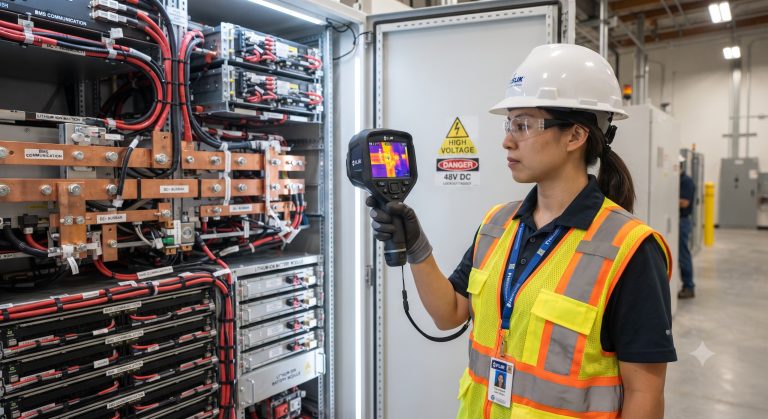
Selecting flexible busbars for your BESS project reduces total installed cost, improves long-term reliability, and simplifies modular scaling. For procurement and engineering teams, prioritize suppliers offering 10-year performance warranties, thermal imaging validation reports, and compliance with UL 4128 to ensure bankability and safety.